Recurring drain problems can be frustrating for homeowners, particularly when blockages return shortly after they have been cleared. While removing the immediate obstruction may restore water flow, repeated problems can indicate damage deeper within the drainage system. Professional pipe relining services provide a way to address certain types of structural pipe damage from the inside, helping resolve the underlying cause rather than repeatedly treating the symptoms.
Underground pipes can deteriorate because of age, ground movement, tree roots, damaged joints, and other environmental factors. When cracks or openings develop, debris and roots may enter the system and contribute to repeated blockages. Identifying and repairing these damaged sections can provide a more effective long-term solution.
Why Do Drain Blockages Keep Returning?
A single blocked drain may be caused by a temporary accumulation of grease, hair, food waste, or other debris. When the same drain repeatedly becomes blocked, however, there may be an underlying problem with the pipe itself. Cracks, damaged joints, tree root intrusion, or sections of deteriorating pipework can interfere with normal wastewater flow. Clearing the blockage without repairing the damaged pipe may mean the problem eventually returns.
Common causes of recurring blockages include:
- Tree root intrusion
- Cracked pipes
- Damaged pipe joints
- Accumulated debris
- Ageing pipework
Finding the actual cause is essential for choosing an appropriate repair.
CCTV Inspections Help Locate Hidden Damage
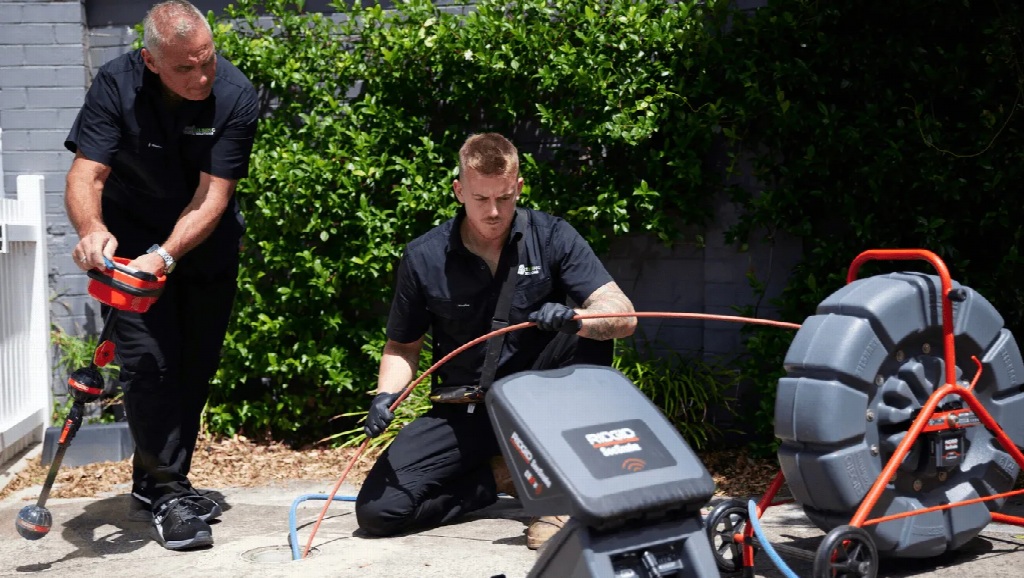
Most underground drainage systems cannot be inspected visually without specialised equipment. CCTV drain cameras provide a practical way to examine the inside of pipes and identify potential problems without immediately excavating the property. A small camera is inserted into the drainage system to locate cracks, root intrusion, blockages, damaged joints, and other issues. The findings help determine whether cleaning, relining, replacement, or another repair method may be appropriate.
An accurate diagnosis can also prevent unnecessary work. Rather than repeatedly clearing the same blockage, property owners can address the structural problem responsible for it. Understanding what is happening inside the pipe is an important first step.
Tree Roots Can Cause Repeated Drain Problems
Tree roots naturally grow towards sources of moisture. If an underground pipe develops a small crack or opening around a joint, nearby roots may enter the drainage system and continue growing inside it. Over time, roots can restrict wastewater flow and collect other materials passing through the pipe. Even after the roots are removed, they may return if the opening that allowed them to enter remains unrepaired.
Pipe relining can help address suitable root-affected pipes by creating a continuous internal barrier over cracks and damaged joints. This repairs the entry points rather than relying solely on repeated root removal. Addressing both the blockage and its cause can improve long-term results.
How Does Pipe Relining Repair Existing Pipes?
Pipe relining is a trenchless repair technique that creates a new lining within the existing damaged pipe. Before installation, the pipe is thoroughly cleaned so the liner can be positioned correctly. A resin-saturated liner is inserted into the damaged section and cured in place. Once hardened, it forms a durable internal layer that covers many cracks, damaged joints, and other defects.
The process generally involves:
- CCTV inspection
- High-pressure pipe cleaning
- Damage assessment
- Liner installation
- Curing and final inspection
The result is effectively a new pipe formed inside the existing drainage line.
Relining Reduces the Need for Excavation
Traditional underground pipe replacement can involve digging trenches to expose and remove damaged sections. This may be particularly disruptive when pipes are located beneath driveways, gardens, pathways, or other established surfaces. Pipe relining is completed internally, so extensive excavation can often be avoided when the existing pipe is suitable for the process. Reducing digging helps minimise disturbance to surrounding areas.
Less excavation may also mean fewer restoration tasks after the plumbing repair is completed. There may be less need to replace landscaping, paving, concrete, or other property features. For established properties, this can be an important practical advantage.
Relining Addresses the Cause, Not Just the Blockage
Clearing a drain is important when wastewater cannot flow properly, but drain cleaning and structural pipe repair serve different purposes. Cleaning removes the immediate obstruction, while relining can repair certain defects that contribute to recurring problems. If repeated blockages are caused by cracks or root entry points, repairing the damaged section may help prevent the same problem from continuing. This can reduce the inconvenience associated with frequent drain clearing.
Professional assessment is important because recurring drainage problems can have several different causes. Not every blocked drain requires relining, and some severely damaged or collapsed pipes may need another repair approach. The correct solution depends on the actual condition of the drainage system.
Early Investigation Can Prevent Bigger Problems
Recurring blockages should not simply be accepted as a normal part of owning a property. Persistent drainage issues may indicate deterioration that could become more difficult to repair if left unresolved. Early investigation allows damaged areas to be identified while there may still be several repair options available. Addressing pipe defects promptly can also reduce the likelihood of wastewater backups, leaks, or further deterioration.
Warning signs worth investigating include:
- Frequently blocked drains
- Slow drainage
- Unusual drain noises
- Unpleasant odours
- Repeated root intrusion
Responding to these signs early can help protect the broader drainage system.
Conclusion
Recurring drain problems often indicate that something more significant is happening beneath the surface. While clearing an obstruction can provide immediate relief, cracks, damaged joints, tree root intrusion, and deteriorating pipework may cause the same issues to return. CCTV inspections help identify these underlying problems, while pipe relining can provide a trenchless repair option for many suitable drainage systems. By creating a new lining inside the existing pipe, the process can address structural defects while minimising excavation around the property.
Investigating repeated drainage problems early allows homeowners to move beyond temporary fixes and consider solutions designed to address the underlying cause. When conditions are suitable, pipe relining can help restore reliable drainage performance while reducing future disruption.