
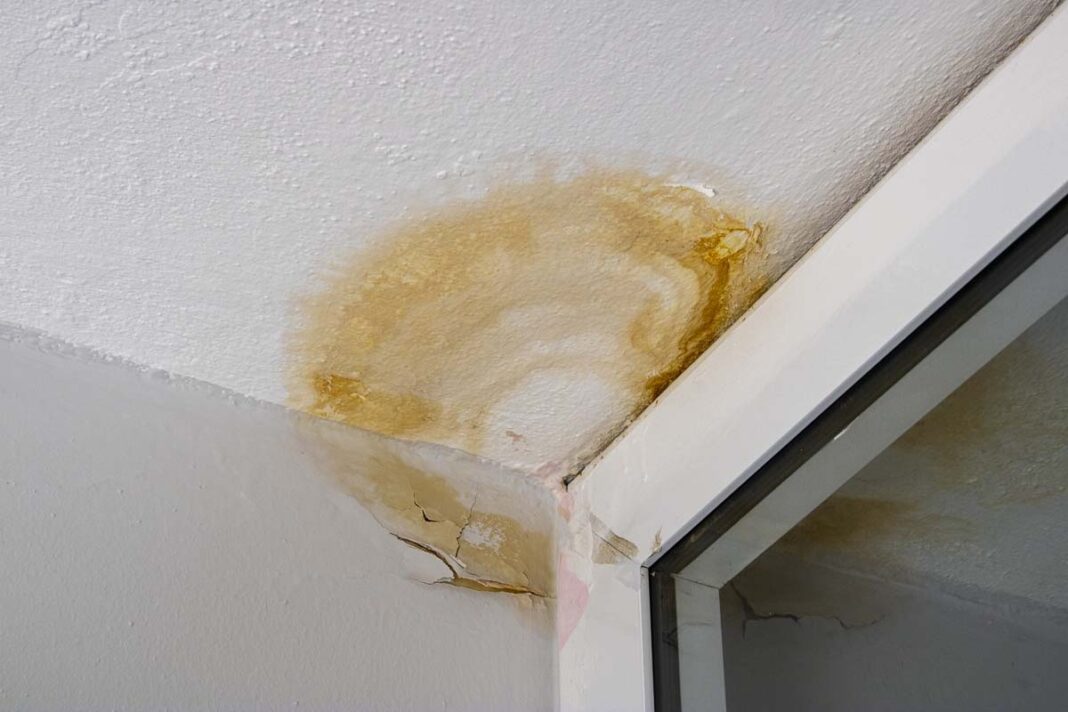
A homeowner replaces worn shingles, watches the crew clean up, and expects the next rainstorm to be uneventful. Then a wet mark appears beside the fireplace. The roofing material is new, yet water is finding its way indoors. It is an unsettling discovery, especially after a major investment in the house.
The explanation may be hiding where the roof meets something that interrupts its surface. Chimneys, skylights, vent pipes, and adjoining walls need carefully installed protective details. New shingles cannot compensate for flashing that was installed incorrectly, left in poor condition, or connected badly to the surrounding materials.
Understanding those connections can help homeowners ask better questions after a leak. It also explains why a roof replacement should involve more than laying fresh shingles across the open sections. The small transitions deserve just as much attention as the large, visible areas.
In Charlotte, heavy rain and wind-driven storms can expose weaknesses around roof flashing, especially where shingles meet chimneys, skylights, and walls.
New Shingles Do Not Seal Every Opening
Asphalt shingles are designed to shed water through overlapping courses. They are not intended to act as a single waterproof sheet around every chimney corner or pipe. At those interruptions, roofers use flashing, underlayment, and purpose-built components to direct water out of vulnerable joints.
A new roof may reuse some existing components when they are suitable and permitted by installation requirements. But keeping a damaged or poorly fitted detail can leave the same weak point in place. The surrounding shingles might be replaced beautifully while water still enters near an old joint.
This is why homeowners should ask what happens to the flashing during replacement. Was it inspected? Did any sections need replacement? How were the new roofing materials integrated with the metal or other approved flashing components? The answers are more useful than a vague assurance that the entire roof is new.
Chimneys Need More Than a Strip of Sealant
A masonry chimney creates four different edges where roofing meets a vertical surface. Water coming down the uphill slope must move around the chimney, while rain striking the sides needs a path back onto the roof.
Different Pieces Have Different Jobs
Step flashing commonly protects the sides, with individual pieces layered into successive shingle courses. Counterflashing covers the upper edges of that flashing at the masonry connection. Apron flashing protects the downhill face. Depending on the chimney and roof arrangement, the uphill side may need a back pan or cricket to manage runoff and debris.
These parts must work together. If counterflashing is loose or water can reach behind the upper edge of the system, applying caulk over a visible gap may provide only temporary relief. Sealant has appropriate uses, but it is not a replacement for a properly designed flashing assembly.
A homeowner can sometimes spot lifted metal, cracked mortar, or debris gathering behind a chimney from a safe location. Those clues justify inspection; they do not identify the exact entry point on their own.
Skylights Are Windows Built Into a Drainage Surface
A skylight combines glass, a frame, and a roof opening. That makes its installation more demanding than placing an ordinary window into a wall. The roof around it still needs to shed rain, while the skylight assembly must manage water at its edges.
Some skylights require manufacturer-specific flashing kits matched to the roofing material and roof pitch. Improvised flashing or a kit that does not suit the installation can leave vulnerable gaps. A replacement roof is also an opportunity to check whether an aging skylight should remain, since disturbing the surrounding covering can affect its existing seals and connections.
Not Every Drip Is a Flashing Leak
Moisture on the inside of skylight glass may come from condensation, particularly when humid indoor air contacts a cold surface. A stain in the surrounding shaft, however, may suggest water entering at a roof connection or another nearby point. Distinguishing condensation from rain intrusion prevents unnecessary roof work and helps target the actual cause.
Pay attention to when the moisture appears. Does it follow rainfall, or does it occur on cold mornings even in dry weather? That observation can help a professional investigate more efficiently.
Where Roofs Meet Walls, Overlaps Matter
A roof-to-wall connection often appears beside a dormer or where a lower roof joins a taller part of the home. The joint may look simple, but water must be kept from slipping behind siding or running beneath shingles.
Step flashing is typically arranged so each piece overlaps the next and works with the shingle courses. Where the roof ends against a sidewall, a properly detailed kick-out flashing may be needed to direct runoff into the gutter rather than down the wall covering. Missing or badly positioned kick-out flashing can allow repeated wetting of the wall below.
Discoloration on siding, peeling paint, or soft trim near this connection can be warning signs. They may also have other explanations, so the goal of inspection is to establish whether the roof-to-wall detail is actually responsible.
A Small Pipe Boot Can Become the Weakest Detail
Plumbing vent pipes usually pass through the roof with a flashing boot around them. On some designs, a flexible collar seals against the pipe while a wider base integrates with the shingles. Sun exposure, age, movement, and poor installation can eventually damage that collar.
The result may be a leak that appears much larger indoors than the opening itself. Water can travel along the pipe or nearby framing before becoming visible on a ceiling. Replacing shingles around the boot without addressing a split collar or damaged base will not correct the source.
The right repair depends on the roof material, the condition of the pipe, and the flashing design. A qualified roofer should select components compatible with the assembly rather than relying on a thick ring of surface sealant.
What a Useful Leak Inspection Should Explain
If moisture appears after roof work, take photographs of the interior stain and record when it develops. Avoid climbing onto the roof, lifting shingles, or attempting repairs during wet conditions. Water near wiring or a sagging ceiling calls for immediate caution and appropriate professional assistance.
Homeowners working with a Roofing Company in Charlotte, NC should ask how the flashing was installed, whether any damaged components were replaced, and what evidence points to the source of the leak. Relevant questions include whether flashing was replaced or reused, whether manufacturer instructions were followed, and whether the proposed repair addresses the underlying opening rather than merely covering a stain.
A thorough explanation should separate what has been observed from what still needs investigation. Sometimes the source is obvious once damaged flashing is exposed. In other situations, water has traveled far enough that a limited, careful investigation is necessary. A contractor should not promise certainty from an interior stain alone.
Repairs Should Restore the Whole Connection
A lasting fix may involve removing roofing around the problem area, replacing damaged flashing, correcting the way components overlap, and reinstalling the covering in the proper sequence. In some cases, deteriorated surrounding wood or wall materials need attention as well. The extent depends on the actual condition, not simply how new the shingles are.
Ask for photos before the area is closed and an explanation of which materials will be changed. If the leak follows a recent roof replacement, review the contract and any workmanship or product warranty information. Coverage depends on the written terms and the identified cause; it should not be assumed either way.
The lesson is that roof performance depends on connections as well as broad surfaces. Chimneys, skylights, wall intersections, and vent penetrations each need details that move water back onto the roof instead of letting it enter the house. When those details are inspected and installed correctly, new shingles have the support they need to protect the home as intended.






