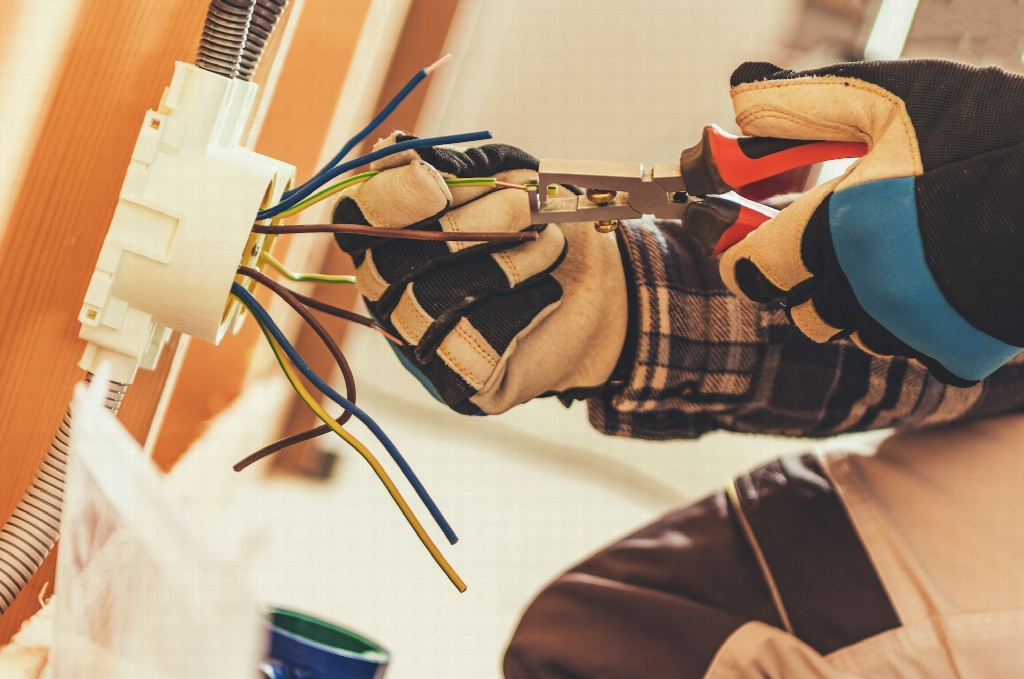
Electrical problems around the home can sometimes appear minor, but certain warning signs may indicate faults that require professional attention. Flickering lights, frequently tripping circuit breakers, unusual smells, or damaged power points should not simply be ignored. Homeowners who notice these issues should consider contacting a qualified electrician in Miranda to identify the cause and determine what repairs may be required.
Electrical systems naturally experience wear as properties age, while modern households often place greater demand on wiring and circuits than older homes were originally designed to support. Recognising potential problems early can help protect the property and reduce the likelihood of more serious electrical issues developing.
Frequently Tripping Circuit Breakers
Circuit breakers are designed to interrupt the electricity supply when they detect certain electrical problems. If a breaker trips occasionally because too many appliances are being used simultaneously, reducing the load may resolve the immediate issue. However, breakers that trip repeatedly can indicate an overloaded circuit, faulty appliance, wiring problem, or another electrical fault. Continually resetting the breaker without identifying the cause is not a suitable long-term solution.
Possible causes include:
- Overloaded circuits
- Faulty appliances
- Wiring problems
- Short circuits
- Electrical faults
Repeated tripping should be properly investigated.
Flickering or Dimming Lights
A light that occasionally flickers because of a loose bulb may be simple to address. When multiple lights flicker or regularly become noticeably dimmer, however, the issue may involve the electrical system rather than the light fitting itself. Changes in brightness can sometimes occur when high-demand appliances start operating. Persistent or unexplained flickering may indicate loose connections, circuit problems, or other faults that require professional assessment.
An electrician can inspect the relevant circuits and connections to determine the source of the problem. Identifying the cause early can prevent ongoing inconvenience. Consistent lighting should not require repeated troubleshooting.
Warm or Discoloured Power Points
Power points and switches should not normally become unusually hot during everyday use. Excessive heat, discolouration, melting, or scorch marks may indicate a potentially serious electrical problem. These warning signs can be associated with loose connections, damaged wiring, overloaded outlets, or deteriorating electrical components. Continued use may increase the risk of further damage. If a power point shows signs of overheating, stop using it and arrange an electrical inspection. Avoid attempting to remove or repair electrical components yourself. Heat and electricity should always be treated carefully.
Burning Smells Need Immediate Attention
An unexplained burning or melting smell near electrical equipment should never be ignored. It may indicate overheating insulation, damaged wiring, or an electrical component beginning to fail. If it is safe to do so, stop using the affected appliance or circuit and seek professional assistance. Smoke, visible sparking, or signs of fire should be treated as an emergency, with appropriate emergency services contacted where necessary.
Warning signs may include:
- Burning odours
- Melted plastic
- Scorch marks
- Smoke
- Unusual heat
Quick action can help reduce the risk of further damage.
Buzzing or Crackling Sounds
Electrical systems generally operate quietly. Buzzing, humming, popping, or crackling sounds coming from switches, outlets, switchboards, or wiring should therefore be investigated. These noises may be associated with loose electrical connections, damaged components, or arcing. The problem may not always be visible from outside the fitting, making professional fault finding important.
Avoid opening electrical fittings or attempting to inspect internal wiring yourself. Licensed electricians have the appropriate equipment and training to identify electrical faults safely. Unusual electrical noises deserve professional attention.
Older Wiring May Need Assessment
Older homes can contain electrical systems installed when household electricity demands were considerably lower. Over time, wiring, switchboards, and other components can deteriorate or become unsuitable for modern requirements. Renovations and the addition of air conditioning, entertainment systems, kitchen appliances, home offices, and electric vehicle charging can also increase electricity demand.
An electrical assessment can help identify ageing components and determine whether upgrades are appropriate. Depending on the property, this might include wiring improvements, additional circuits, safety switches, or switchboard work. Maintaining the electrical system helps it keep pace with changing household needs.
Damaged Power Points and Switches Should Be Repaired
Cracked power points, loose switches, exposed components, and outlets that no longer hold plugs securely should not be treated as cosmetic problems. Physical damage can expose electrical components and create unnecessary risks. Power points may also deteriorate because of age or repeated use. If an outlet stops working, sparks when used, or feels loose, it should be inspected before continued use.
Professional repairs help ensure damaged fittings are replaced correctly and that any underlying wiring issues are identified. Electrical fittings should always remain secure and in good condition.
Unexpected Power Loss May Indicate a Fault
A neighbourhood power outage is generally outside the property’s electrical system. However, if electricity is lost only in certain rooms or throughout one property while neighbouring homes remain unaffected, an internal electrical issue may be responsible. The cause could involve a circuit breaker, safety switch, appliance fault, wiring problem, or another component within the electrical installation.
Rather than repeatedly resetting switches, homeowners should investigate why the problem occurred, particularly if power continues to disconnect. Professional fault finding can help identify the cause and determine the appropriate repair.
Preventative Electrical Maintenance Matters
Homeowners do not need to wait for a major electrical failure before arranging professional assistance. Periodic inspections and timely repairs can help identify deteriorating equipment and developing faults before they become more disruptive. Preventative maintenance is particularly worth considering for older properties, recently purchased homes, or houses undergoing significant renovations.
Professional electrical maintenance can include:
- Switchboard inspections
- Safety switch checks
- Fault finding
- Wiring assessments
- Repairs and upgrades
Taking care of electrical systems supports both safety and reliable everyday operation.
Conclusion
Electrical problems should never be ignored simply because the lights and appliances continue working. Frequently tripping circuit breakers, flickering lights, overheating power points, burning smells, unusual noises, and damaged electrical fittings can all indicate problems requiring professional attention.
Recognising these warning signs early allows homeowners to arrange appropriate inspections and repairs before faults potentially become more serious. Regular electrical maintenance can also help identify ageing components and ensure the system remains suitable for changing household requirements. When something about the electrical system seems unusual, avoiding DIY repairs and seeking assistance from an appropriately licensed professional is the safest approach. Prompt attention helps maintain a reliable electrical system while protecting the home and the people living in it.