
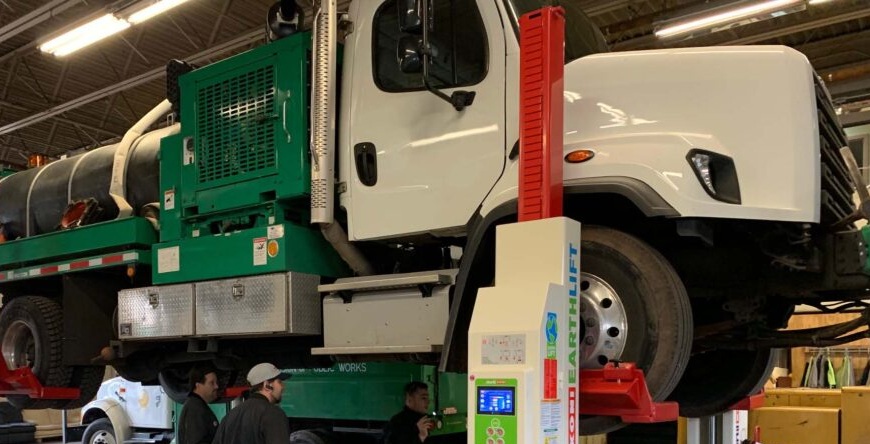
Lifting a truck is a popular upgrade. A few extra inches of suspension and a set of oversized tires can transform a pickup’s look and give it serious off-road capability. For many owners, it’s about style, personality, and a commanding view of the road.
Those extra inches, though, change a lot more than appearance. Vehicles are engineered as complete systems, with suspension, steering, brakes, and safety features designed to work together at a specific height. Raising one piece of that system can affect how everything else behaves.
Some of those changes are obvious, like a higher seating position. Others only reveal themselves in an emergency maneuver or a collision. Handling, visibility, braking, and how the truck interacts with smaller vehicles can all shift in ways many drivers never fully anticipate.
Why Height Changes the Physics of a Vehicle
Every vehicle has a center of gravity, the point where its weight is balanced. Lifting a truck raises that point noticeably higher. The higher the center of gravity, the more the vehicle tends to lean in turns and react to sudden steering inputs.
That shift affects stability. A swerve to avoid debris or a sharp curve taken a little too fast can cause more body roll than the original design intended. In extreme cases, the truck may be more prone to tipping, especially when combined with speed.
Rollover risk is one of the most serious dangers of lifted trucks. Rollovers tend to be especially violent crashes, and pickups already sit higher than most passenger cars. Adding several more inches of lift can make an already top-heavy vehicle even less forgiving.
The Hidden Problem With Bumper Mismatch
Most vehicles are designed with crash compatibility in mind. Bumpers and frame rails are meant to line up at roughly similar heights so that energy-absorbing structures meet each other in a collision. When those structures align properly, crumple zones can do their job.
Lifted trucks can break that alignment. A raised bumper may ride over a smaller car’s bumper entirely, striking the hood, doors, or even the windshield area instead. That means the parts designed to absorb crash energy may never come into contact at all.
The results can be serious for people in smaller vehicles. Side impacts are especially concerning, since a lifted truck’s front end may hit higher on the door, nearer occupants’ heads and chests. Safety researchers have long studied this mismatch between taller and shorter vehicles.
Why Taller Vehicles Can Have Bigger Blind Spots
Sitting higher makes drivers feel like they see everything. In reality, extra height often creates larger blind spots close to the vehicle. The area directly in front of a lifted truck’s hood can hide a small child, a cyclist, or a low car.
Larger tires and taller hoods add to the problem. The driver’s line of sight starts higher, so objects near the ground disappear from view. Side and rear blind spots can grow as well, particularly when backing up in busy parking lots or driveways.
These visibility gaps matter most at low speeds, where pedestrians and cyclists are common. Cameras and sensors can help, but they aren’t always installed or recalibrated after modifications. Drivers of lifted trucks need to be especially careful around crosswalks, neighborhoods, and busy parking areas.
How Modifications Can Change Braking and Handling
Bigger tires certainly look impressive, but they come with trade-offs. Larger, heavier wheels can take longer to stop, especially if the brakes weren’t upgraded to match. The added weight and rotating mass put extra demands on braking systems designed for stock, factory equipment.
Steering response can change too. Altered suspension geometry may make the truck feel less precise, wander at highway speeds, or respond more slowly to quick corrections. Speedometers may also read inaccurately when tire size changes, leading drivers to underestimate how fast they’re going.
Installation quality matters enormously here too. A lift kit installed by experienced professionals, with proper alignment and compatible components, will usually perform far better than a rushed or improper job. Poorly installed modifications can cause component failures that increase the risk of losing control.
Conclusion
A lifted truck can be fun, functional, and full of personality, and plenty of owners love them. But raising a vehicle changes its engineering in ways that go far beyond looks. Every inch of added height comes with real trade-offs worth taking seriously.
Higher centers of gravity increase the risk of rollovers. Bumper mismatches can affect crash compatibility with smaller passenger vehicles. Bigger blind spots can hide pedestrians and cyclists, while larger tires and altered suspension can lengthen stopping distances and change handling in sudden emergencies.
For truck owners, knowing these effects makes it easier to choose quality parts, professional installation, and safer driving habits. For everyone else on the road, it’s a helpful reminder that a vehicle’s size and shape can strongly influence what happens when things go wrong.






