Are you struggling to get exact parts from metal for your project? Modern cutting machines like CNC and laser tools cut metal within thousandths of an inch. This post will show common methods, real uses, and how to pick the right tool for your job.
Read on to learn more.
Key Modern Metal Cutting Methods
Modern metal cutting uses several advanced methods. These techniques improve precision and speed in manufacturing processes.
Laser Cutting
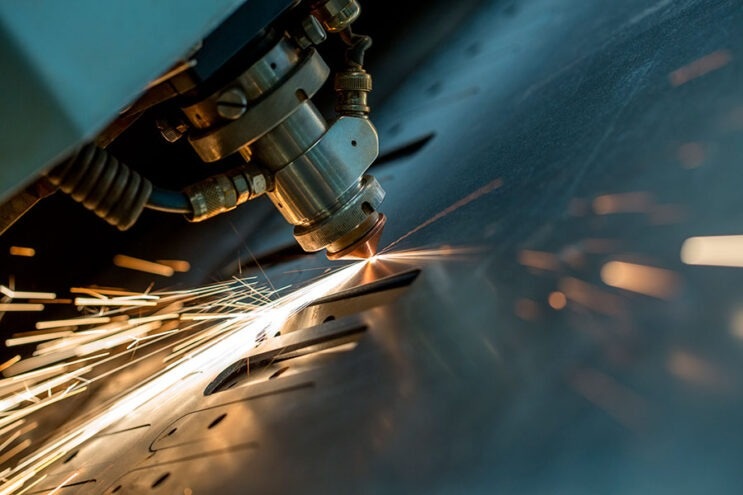
Laser cutting uses a focused beam to cut metal. This method gives high precision and clean edges on steel and alloys. CNC systems control the beam for repeatable parts in machining and fabrication.
Automation helps speed production and reduce material waste.
Engineers use laser cutting in aerospace, automotive, and medical device work. The process supports thin sheet work and complex microfabrication tasks. Material science advances improve beam focus, power, and cut quality.
Waterjet Cutting
After laser cutting, many shops move to waterjet cutting for parts that need no heat. Waterjet machines remove material with high-pressure streams of water and abrasive. This cutting technique cuts steel, composites, and ceramics.
Fabrication teams use it in machining and industrial fabrication for precise contours.
Manufacturers in aerospace, automotive, and medical fields adopt waterjet for tight tolerances. CNC controls and automation guide the heads for repeatable results. The process reduces material waste and keeps material properties intact.
Engineers favor it for complex parts and thin or layered assemblies.
CNC Plasma Cutting
CNC plasma cutting uses a high-temperature plasma arc to cut conductive metals like steel and aluminum. The system follows computer numeric control files to shape parts with repeatable precision.
Operators program CAD files, and machines execute cuts with fast cycle times.
Automation reduces manual setup and improves quality control in fabrication shops. This metalworking method suits industrial processes in manufacturing technology and tooling for parts that need fast material removal.
Electrical Discharge Machining (EDM)
CNC plasma cutting offers efficiency in metal cutting, but Electrical Discharge Machining (EDM) provides unique benefits. EDM uses electrical sparks to remove material from a workpiece.
This method allows for high precision and accuracy in complex shapes.
Manufacturers often use EDM for hard metals like steel and titanium. It is essential in industries such as aerospace, automotive manufacturing, and medical device production. The ability of EDM to create intricate designs makes it invaluable for tool making and molds.
It excels where other methods might struggle, especially when dealing with tough materials.
Applications of Precision Metal Cutting
Precision metal cutting plays a vital role in many fields today. It helps create parts for airplanes, cars, medical tools, and electronic devices. These applications show how important this technology has become in modern manufacturing.
Explore more to see its impact!
Aerospace and Aviation
One of the most popular techniques for achieving intricate designs in fabrication is metal laser cutting, which allows for remarkable accuracy and minimal waste.
Aerospace and aviation heavily rely on precision metal cutting. This industry needs high-quality parts for safety and performance. Laser cutting allows manufacturers to create complex shapes in lightweight metals like aluminum and titanium.
Waterjet cutting also finds use here; it cuts materials without creating heat, which keeps them strong.
CNC machining plays a big role too. It ensures that every part fits together perfectly. These methods help make aircraft components, such as wings and engine parts, with great accuracy.
The medical device sector benefits as well from these precise techniques, improving patient care through better technology advancements.
Automotive Manufacturing
Automotive manufacturing relies on precision metal cutting for creating key parts. Techniques like CNC machining shape components with exacting standards. Laser cutting and waterjet cutting are popular in this sector.
They ensure that the cuts are clean and precise, which is vital for safety and performance.
Using these advanced techniques helps reduce waste and increase efficiency. Automakers can produce lighter vehicles that consume less fuel. High-quality tools support the fast-paced production lines found in factories today.
The rise of automation streamlines processes further, making it easier to meet demand while maintaining quality control.
Precision cutting techniques like CNC machining and laser cutting have revolutionized the way manufacturers create intricate metal components.
Medical Device Production
Aerospace manufacturing leads to high-precision needs. This connects to medical device production. Precision cutting plays a key role in creating medical tools and devices. Techniques like laser cutting produce sharp, precise parts that meet strict guidelines.
Machines make components for surgical instruments, implants, and diagnostic equipment. CNC machining ensures each piece is accurate and consistent. As technology advances, the demand for quality increases in this sector.
Speedy production helps companies keep up with health care needs while ensuring safety and efficiency in every device made.
Electronics and Microfabrication
Electronics and microfabrication use precision metal cutting techniques to create small, complex parts. Laser cutting helps in making tiny circuits for devices like smartphones and computers.
It provides great accuracy, allowing manufacturers to fit more components into a smaller space. Waterjet cutting also plays a role by producing intricate shapes without generating heat.
This prevents damage to sensitive electronic parts.
CNC machining is essential in this field as well. It automates the process, ensuring high repeatability and speed in production runs. Manufacturers rely on these technologies to meet strict quality control standards while reducing waste materials.
These methods are crucial for advanced electronic products used in everyday life, paving the way for innovation in digital devices and smart technology ahead.
Advantages of Modern Metal Cutting Technologies
Modern metal cutting technologies offer high precision and accuracy. They also reduce material waste and improve efficiency in production.
High Precision and Accuracy
High precision and accuracy are key benefits of modern metal cutting technologies. Laser cutting, for instance, can achieve tolerances as tight as 0.001 inches. This allows for detailed designs in various industries such as aerospace and electronics.
CNC machining also plays a crucial role in creating parts that fit perfectly together.
These tools minimize errors during production, leading to high-quality products. Precision reduces the need for rework, saving time and resources. Accurate cuts mean less wasted material too; this is vital in industries focused on efficiency and sustainability.
Next comes a look at how these methods reduce waste while improving speed and efficiency.
Reduced Material Waste
High precision and accuracy lead to reduced material waste. Modern metal cutting techniques allow firms to use materials more efficiently. For example, laser cutting creates clean edges with minimal leftover scrap.
Waterjet cutting also reduces waste by using water instead of heat.
CNC machining can design parts precisely, ensuring less excess material is cut away. This saves money on raw materials and disposal costs. It also promotes sustainability in manufacturing processes by decreasing the environmental impact of production.
Using these technologies benefits not just companies but the planet as well.
Enhanced Efficiency and Speed
Reduced material waste leads to better efficiency in metal cutting. Modern techniques cut faster than older methods. Laser cutting can slice through materials quickly and accurately.
Waterjet cutting also offers speed without heat damage.
CNC plasma cutting allows for rapid production runs with high precision. These methods cut costs by reducing the time spent on each job. Automation plays a big role too, as machines work around the clock.
This means higher productivity and quicker turnaround times for projects in industries like automotive and aerospace manufacturing.
Conclusion
Precision metal cutting plays a big role in modern industries. It helps create parts for aerospace, automotive, electronics, and medical fields. These advanced techniques improve quality and speed.
They also cut down on waste and boost efficiency. Embracing these technologies shapes the future of manufacturing.