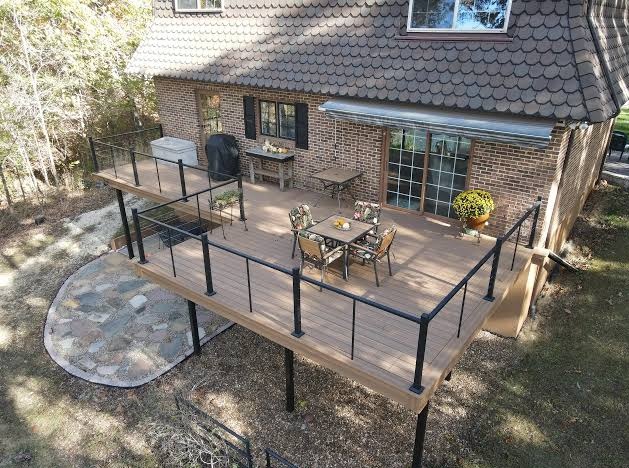
You want a strong, low-maintenance deck but feel unsure which material to pick. Some decking materials last more than 25 years, while others need sealing or painting every few years.
This guide compares cost, upkeep, and style to match materials to your needs. Read on to find the best fit.
Factors to Consider When Choosing Deck Materials
When you choose deck materials, think about your budget. Also, consider the weather in your area.
Budget and Cost
Set a clear budget before you pick decking materials. Pressure-treated wood costs about $2 to $5 per square foot, while composite decking runs about $4 to $12 per square foot.
Include long-term costs for maintenance and longevity. Labor, fasteners, and sealers can add hundreds to the total price.
Climate and Weather Conditions
After weighing budget and cost, assess climate and weather conditions for your decking project. Hot sun, heavy rain, or coastal salt will affect material choice and longevity. Wood can warp under high humidity.
Composite and PVC resist moisture and need less maintenance.
Choose materials that match local extremes. Hardwoods like ipe handle sun and rain, but cost more upfront. Composite offers good durability and low maintenance for many outdoor settings.
Coastal sites need salt-spray resistant options to protect appearance and lifespan.
Maintenance Requirements
Maintenance affects a deck’s longevity and appearance. Composite and PVC need less upkeep than wood.
Wood demands regular staining, sealing, and inspections for rot and insects. Low-maintenance materials cost more up front, but save time and money over years.
Desired Aesthetic and Style
For a durable and attractive option, many homeowners are turning to Black Locust decking due to its natural resistance to rot and insects.
Good maintenance can keep your deck looking great, but so can the right choice in style. Your outdoor space should reflect your taste. Think about colors and textures that fit with your home’s look.
Wooden decks offer a natural feel, while composite materials give a more modern vibe.
Choose materials that match the atmosphere you want to create. Bright colors might bring energy, while softer tones provide calmness. Explore different finishes too; they can change how materials appear in sunlight or shade.
This choice adds character to your outdoor area and makes it more inviting for friends and family.
Popular Deck Material Options
There are many great choices for deck materials. Each type has its own strengths and looks. Explore the options to find what suits your needs best!
Pressure-Treated Wood
Pressure-treated wood is a popular choice for outdoor decks. This type of wood can resist insects and decay. It goes through a chemical process that makes it last longer in wet weather.
Using pressure-treated wood helps your deck stay strong over time.
Costs for pressure-treated wood are usually lower than other materials. Many homeowners appreciate its natural look, too. Unlike some synthetic options, it fits well with various styles of homes.
It does require regular maintenance to keep it looking good. In the next section, we will explore composite decking options which offer different benefits.
Composite Decking
Composite decking combines wood fibers and plastic. This mixture makes it durable and low maintenance. It resists fading, staining, and mold. Many choose composite for its long-lasting nature.
This type of decking is available in different colors and textures. It can mimic the look of natural wood without the upkeep. Homeowners appreciate that they do not need to sand or paint composite boards regularly.
Composite decking is a great choice for those who want style with less work.
PVC and Plastic Decking
PVC and plastic decking is a popular choice for many homeowners. This material resists rot, fading, and insects. It requires little maintenance compared to wood. You save time and money on upkeep with PVC decking.
Plastic decking comes in various colors and styles, so you can find one that fits your taste. It offers great durability for outdoor conditions too. Many people choose it for its long-lasting qualities.
Next, let’s explore hardwood options like teak or cedar.
Hardwood Options (e.g., Teak, Ipe, Cedar)
Hardwoods offer beauty and strength for outdoor decks. Teak is strong and resistant to water, making it ideal for wet areas. Ipe is also tough; it can last over 25 years with little care.
Cedar has a pleasant smell and natural resistance to insects. This wood weathers beautifully but needs regular maintenance.
Choosing hardwoods means you’ll enjoy durability and style. These woods add elegance to any patio or deck space. The grain patterns are unique, giving each piece character. With proper care, these materials will enhance your outdoor design for many years to come.
Next, consider how different materials match specific climate needs.
Matching Materials to Specific Needs
Different climates need different materials for decks. Choose wisely based on sun exposure, cold temperatures, or salty air.
High UV Resistance for Arid Climates
High UV resistance is key for decks in arid climates. The strong sun can damage materials over time. Choosing decking that stands up to UV rays helps maintain its look and strength.
Composite decking is a great choice. It often includes a protective coating, which blocks harmful rays. PVC materials also offer high UV resistance and stay cool underfoot. Wood options such as teak can endure the sun’s heat but need regular oiling to stay protected.
Select materials wisely to keep your deck beautiful and safe from fading or cracking.
Freeze-Thaw Resistance for Cold Regions
Freeze-thaw resistance is crucial for decks in cold areas. The constant cycle of freezing and thawing can damage many materials. Some options hold up better than others. Composite decking stands strong against these changes.
It does not absorb water like wood, which helps prevent cracks.
Pressure-treated wood may work well but needs care. Winter weather can lead to warping or splitting if not maintained properly. PVC and plastic also resist these conditions effectively; they won’t swell or warp with moisture changes.
Choosing the right material ensures your deck lasts through harsh winters while maintaining its beauty and function.
Salt-Spray Resistance for Coastal Areas
Coastal areas face high salt exposure. This can damage outdoor decks over time. Choosing materials with good salt-spray resistance is key. Composite decking and some types of PVC work well in these conditions.
They resist corrosion and stay strong against the salty air.
Wood also holds appeal, but not all types are equal. Pressure-treated wood can be more durable in coastal settings if it’s properly sealed. Tropical hardwoods, like teak or mahogany, offer natural resistance to moisture and decay too.
Selecting the right material helps ensure your deck lasts longer by standing up to harsh coastal elements.
Conclusion
Choosing the right materials for your outdoor deck is key. Consider your budget, climate, and style preferences. Each material has its pros and cons. Think about how much maintenance you want to do over time.
With the right choice, your deck can last for years and look great too.