Cities around the world are growing rapidly, creating new challenges for transportation, infrastructure, energy use, and environmental protection. As urban populations increase, city planners and local governments are looking for better ways to reduce traffic congestion, improve air quality, and make transportation more accessible.
Electric bikes, commonly known as e-bikes, are becoming an important part of this transformation. By combining traditional cycling with electric motor assistance, e-bikes offer a practical and environmentally friendly alternative to cars for many everyday trips.
From improving urban mobility to supporting sustainable infrastructure development, electric bikes can help cities become smarter, cleaner, and more comfortable places to live.
1. Reducing Traffic Congestion in Urban Areas
Traffic congestion is one of the biggest challenges facing modern cities. As more people rely on private cars, roads become crowded, travel times increase, and transportation systems face greater pressure.
Electric bikes offer a practical solution for short and medium-distance journeys.
Unlike cars, e-bikes require much less road space. They can also use designated bicycle lanes and shared cycling infrastructure where local regulations permit.
For many urban residents, electric bikes are suitable for everyday activities such as commuting to work, visiting local stores, attending appointments, and traveling to nearby neighborhoods.
When more people replace short car trips with e-bike journeys, cities may experience several benefits:
- Reduced traffic congestion during busy hours
- Lower demand for car parking spaces
- More efficient use of existing roads
- Improved access to crowded city centers
- Less pressure on public transportation systems
However, achieving these benefits requires safe cycling routes and transportation policies that encourage people to choose alternatives to private cars.
2. Supporting Cleaner Air and Lower Carbon Emissions
Transportation is a major source of greenhouse gas emissions and air pollution in many cities. Gasoline and diesel vehicles release carbon dioxide and other pollutants that affect the environment and public health.
Electric bikes provide a cleaner transportation option because they produce no exhaust emissions while being ridden.
Although electricity generation, battery manufacturing, and bicycle production still have environmental impacts, e-bikes generally require far less energy to operate than passenger cars.
For example, an electric bike with a 720Wh battery stores approximately 0.72 kilowatt-hours of electricity. This is a relatively small amount of energy compared with the electricity needed to operate an electric car over a similar urban journey.
The environmental advantages become especially meaningful when e-bikes replace regular car trips rather than walking or conventional cycling.
Cities can encourage this transition by investing in bicycle infrastructure, offering incentives for sustainable transportation, and improving connections between residential and commercial areas.
Over time, these efforts can contribute to cleaner air, reduced transportation emissions, and healthier urban environments.
3. Creating Better Cycling Infrastructure
The growth of electric bikes is changing how cities design their transportation infrastructure.
Traditional road systems have often prioritized cars, leaving limited space for bicycles and pedestrians. However, modern urban planning increasingly recognizes the importance of providing safe routes for different transportation methods.
To support electric bike adoption, cities need infrastructure that is accessible, connected, and easy to use.
Important improvements include protected bicycle lanes, clearly marked intersections, secure bicycle parking, and convenient connections to public transportation.
Protected cycling lanes are particularly valuable because they separate riders from moving vehicles. This can improve safety and encourage people who might otherwise feel uncomfortable cycling on busy streets.
Cities should also consider the needs of different types of electric bikes.
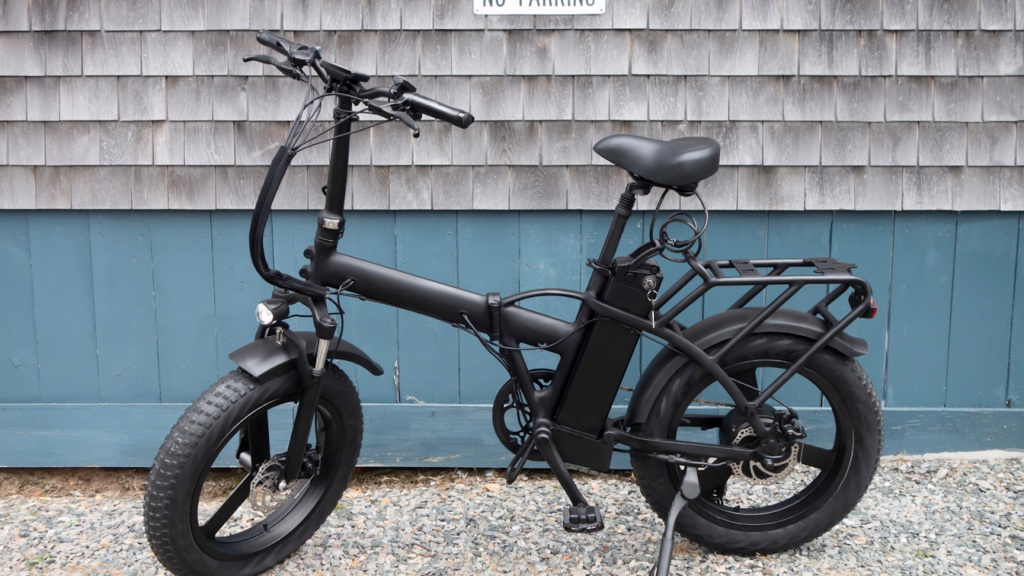
For example, a fat tire ebike may be wider and heavier than a conventional bicycle. Parking areas, bicycle racks, and shared paths should be designed with enough space to accommodate different bicycle sizes without blocking pedestrians or other road users.
Good infrastructure planning helps create a transportation network that works for more people.
4. Improving Transportation Accessibility
One of the most important benefits of electric bikes is their ability to make cycling accessible to a wider range of people.
Traditional bicycles require continuous physical effort, which can make longer journeys or hilly routes challenging for some riders.
Electric bikes reduce these barriers by providing motor assistance when pedaling.
This makes cycling more practical for older adults, commuters, and people who want to travel longer distances without becoming excessively tired.
Electric assistance can also help riders carry groceries, work equipment, or other everyday items.
For cities, improved transportation accessibility means more residents may be able to reach jobs, schools, shopping areas, and public services without depending entirely on private cars.
However, electric bikes are not suitable for everyone. Safe road conditions, affordable purchasing options, appropriate bicycle designs, and accessible parking facilities remain important.
By considering these factors, urban planners can create more inclusive transportation systems.
5. Connecting Electric Bikes With Public Transportation
Smart cities are not built around a single transportation method. Instead, they combine different options to help residents travel efficiently.
Electric bikes can play an important role in connecting people with public transportation.
For example, someone living several miles from a train station may find walking inconvenient and driving expensive. An electric bike can provide a practical way to reach the station.
This approach is commonly known as first-mile and last-mile transportation.
When electric bikes are connected with buses, trains, and other public transportation services, residents gain more flexibility in planning their journeys.
Cities can support this integration through secure bicycle parking at transit stations, shared e-bike services, and clearly marked cycling routes.
Some transportation systems may also allow electric bikes on trains or buses, subject to local rules and space limitations.
These connections can make public transportation more attractive and reduce the need for private car ownership.
6. Encouraging Sustainable Urban Development
Sustainable urban development focuses on creating cities that meet people’s needs while reducing environmental damage and using resources efficiently.
Electric bikes support this goal by offering an alternative to transportation systems that depend heavily on private cars.
Car-focused development requires extensive road networks, large parking facilities, and significant amounts of urban land.
By encouraging cycling and other compact transportation methods, cities can potentially use some of this space for parks, sidewalks, public gathering areas, and green infrastructure.
For example, a neighborhood with safe bicycle routes and convenient local services may need fewer large parking areas than one designed primarily around driving.
Electric bikes can also support mixed-use development, where homes, offices, stores, and recreational facilities are located relatively close together.
This type of urban planning reduces the need for long-distance travel and helps create more connected communities.
The result can be a city that is easier to navigate, more environmentally responsible, and more enjoyable for residents.
7. Making Electric Bikes Practical for Everyday City Life
For electric bikes to become a successful part of urban transportation, they must meet the practical needs of everyday riders.
Comfort, battery range, stability, and ease of use are important considerations, especially for people who plan to replace regular car journeys.
One example is the Himiway D5 2.0 20″, a full-suspension electric bike designed for riders who want comfort and versatility.
The Himiway D5 2.0 20″ features a 750W motor, 90Nm of torque, and a 48V 15Ah battery. Its advertised pedal-assist range reaches up to 70 miles under suitable riding conditions, although actual range depends on terrain, rider weight, assistance level, weather, and other factors.
Its 20-inch fat tires and full-suspension design can help improve comfort when riding over uneven pavement and rougher surfaces.
The bike also has a step-through frame that makes mounting and dismounting more convenient for many riders.
These features make it worth considering for people who want an electric bike for daily commuting, neighborhood travel, and recreational cycling.
However, the bike’s size and weight should be considered when choosing storage spaces, parking facilities, and transportation connections. Riders should also check local e-bike regulations before using it on public roads or cycling paths.
As electric bike technology continues to improve, models such as the Himiway D5 2.0 20″ demonstrate how manufacturers are developing products for a wider range of transportation needs.
8. Supporting Healthier and More Active Communities
Building greener cities is not only about reducing pollution. It is also about improving the health and well-being of residents.
Electric bikes can encourage people to spend more time outdoors and participate in regular physical activity.
Although the motor provides assistance, riders can still exercise by pedaling. The level of physical effort depends on the assistance setting, terrain, speed, and individual riding habits.
For people who find traditional cycling difficult, electric assistance can make regular exercise more manageable.
Cycling can support cardiovascular fitness, muscle activity, and general physical well-being.
Electric bikes may also encourage people to make more frequent short trips instead of relying on cars for every journey.
From a city planning perspective, encouraging active transportation can help create neighborhoods where residents have more opportunities to move, explore, and interact with their communities.
Safe bicycle lanes, attractive public spaces, and accessible green areas can further support these benefits.
9. Helping Businesses and Urban Services Operate More Efficiently
Electric bikes are not limited to personal transportation. They can also support businesses and urban services.
In crowded city centers, delivery vehicles often face traffic delays and parking restrictions. Electric cargo bikes and other purpose-built e-bikes can provide an alternative for certain types of deliveries.
They may be useful for transporting small packages, food orders, documents, and maintenance supplies.
Some businesses can also use electric bikes for short-distance employee transportation between nearby facilities.
For construction companies and infrastructure maintenance teams, e-bikes may help staff travel around large sites or between nearby project locations where cycling is permitted and site safety rules allow it.
However, electric bikes are not replacements for construction machinery or vehicles carrying heavy equipment.
Their main advantage is providing flexible transportation for people and light loads.
By selecting appropriate vehicles for different tasks, businesses can reduce unnecessary car journeys and improve transportation efficiency.
10. Making Sustainable Transportation More Affordable
The cost of transportation is an important concern for urban residents.
Owning a car involves expenses such as fuel, insurance, maintenance, registration, and parking. Electric bikes generally have lower operating costs, although they still require regular servicing, battery care, and occasional component replacement.
For people who can replace some car journeys with cycling, an electric bike may provide meaningful long-term savings.
However, the initial purchase price can still be a barrier.
Some cities and local organizations have introduced electric bike rebate programs or other incentives to make sustainable transportation more affordable.
Seasonal promotions may also help buyers find suitable models at lower prices.
For example, shoppers looking for a black friday electric bike can compare different models based on battery capacity, motor performance, comfort, warranty coverage, and overall value.
Rather than focusing only on the largest discount, buyers should consider whether the bicycle meets their actual transportation needs.
A reliable electric bike that is comfortable for regular use may provide greater long-term value than a cheaper model with limited support or unsuitable features.
11. Integrating Electric Bikes Into Smart City Technology
Smart cities use technology and data to improve transportation, energy management, public services, and infrastructure planning.
Electric bikes can become part of these connected urban systems.
For example, shared electric bike programs can provide useful information about popular travel routes, peak usage periods, and transportation demand.
City planners can use properly collected and anonymized data to identify areas where additional bicycle lanes or parking facilities may be needed.
Digital mapping services can also help riders find safer cycling routes, avoid heavily congested roads, and locate bicycle parking areas.
Some shared e-bike systems use connected technology to manage vehicle availability, battery charging, and maintenance schedules.
However, these systems also require responsible data management, privacy protection, and reliable digital infrastructure.
Technology alone cannot create a successful cycling network. It must be combined with thoughtful urban design, safe roads, and accessible transportation services.
12. Overcoming Challenges in E-Bike Infrastructure Development
Despite their advantages, electric bikes face several challenges that cities must address.
One major concern is road safety. Many existing streets were designed primarily for cars, making cycling uncomfortable or dangerous in some locations.
Cities need to improve intersections, reduce conflicts between road users, and develop connected bicycle networks.
Another challenge is secure parking. Electric bikes can be expensive, and theft concerns may discourage people from using them for daily transportation.
Secure parking facilities at offices, shopping centers, residential buildings, and transit stations can help address this problem.
Battery safety is another important consideration.
Lithium-ion batteries should be charged using compatible equipment and maintained according to manufacturer instructions. Public charging facilities should follow appropriate electrical and fire safety requirements.
Cities must also consider how electric bikes interact with pedestrians, conventional bicycles, and other small electric vehicles.
Clear traffic rules, suitable speed limits, and public education can help different road users share transportation infrastructure safely.
Addressing these challenges is essential for creating long-term improvements rather than simply increasing the number of electric bikes on city streets.
13. The Future of Electric Bikes in Green Cities
As cities continue to develop, electric bikes are likely to become an increasingly important part of sustainable transportation planning.
Future urban mobility systems may combine electric bicycles, public transportation, walking routes, shared mobility services, and electric vehicles into more connected networks.
Improvements in battery technology, motor efficiency, and bicycle design may also make electric bikes more convenient for everyday use.
At the same time, infrastructure development will remain essential.
Cities that invest in protected bicycle lanes, secure parking, safer intersections, and better public transportation connections will be better positioned to support electric bike adoption.
Urban planners must also ensure that sustainable transportation options remain accessible to residents with different incomes, ages, and mobility needs.
Electric bikes cannot solve every urban transportation problem, but they can contribute to a broader strategy that reduces car dependence and makes cities more livable.