Have you ever wondered how buildings can be made better for the planet? Many people think green buildings only use wood or glass.
But concrete also has a big role in helping the Earth. Concrete may not seem like a green material, but when used the right way, it supports eco-friendly building goals.
In this blog post, you will learn how concrete fits into green construction. You’ll also discover how new services and smart choices make concrete more sustainable than before.
Concrete is Still a Key Building Block
Concrete is one of the most common building materials in the world. It is used to build homes, schools, bridges, and offices. Concrete is strong and lasts a long time.
These two facts make it a smart choice for buildings that need to last for many years. If a building lasts longer, it does not need to be rebuilt often. This helps save energy and materials over time.
So, while concrete might not seem green at first, it can reduce waste and energy use when used properly.
What Makes a Building Green?
Green buildings are made to be better for the planet. These buildings use less energy, create less waste, and often use local or reused materials. A green building also keeps people comfortable while using fewer resources.
To meet these goals, builders need to plan carefully and choose the right materials. Concrete fits into these plans because it can help with energy use, indoor comfort, and reducing building costs in the long run. This is why concrete remains important in green building.
How Concrete Supports Sustainability?
Concrete supports sustainability in several ways. It stores heat, which keeps buildings cooler in summer and warmer in winter. This helps lower the need for heating and cooling, saving energy.
Concrete can also include recycled materials. Old concrete can be crushed and reused, and some mixes use fly ash or slag from other industries.
These methods reduce waste sent to landfills. Over time, smart use of concrete helps protect the planet.
New Methods Make Concrete Smarter
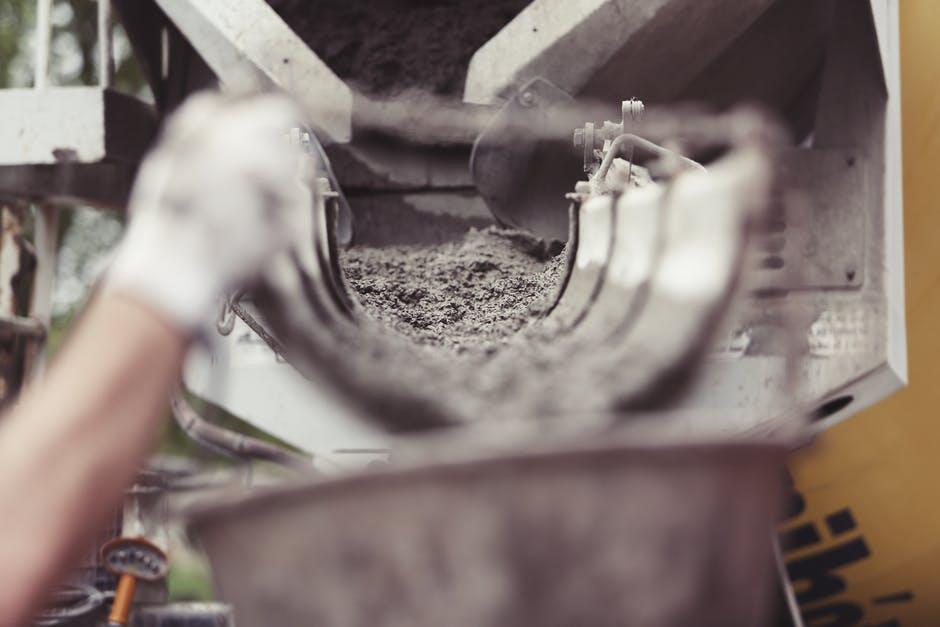
Today, builders use newer ways to make and deliver concrete. On-demand services help reduce waste by mixing only what is needed. This cuts down on unused concrete, which often ends up as trash.
Using on-demand services also saves fuel and reduces the number of trips made by delivery trucks. One example is the use of ready mix concrete in Brisbane. This service gives builders a way to get the right mix at the right time.
It also helps lower the environmental impact by making the process more efficient.
Why Concrete Still Matters in Green Design?
Many people are surprised to learn that concrete can be part of eco-friendly building plans. While it has a carbon footprint, smart choices and new methods make concrete greener than ever.
By using local sources, reducing waste, and choosing better mixes, builders can reduce the harm done to the environment. When combined with other green tools and planning, concrete becomes a helpful part of building a cleaner future.
Choose Concrete Wisely to Build for Tomorrow
Concrete may not seem green at first, but it plays a big role in making buildings that last longer and use fewer resources. By using smart services and modern ideas, builders can make concrete work for the planet, not against it.
This guide showed how concrete fits into the world of green building and how it supports smart design. If you plan wisely, concrete becomes a helpful part of building for tomorrow.
Did this guide help you? Browse the rest of this section for more variety of topics.