
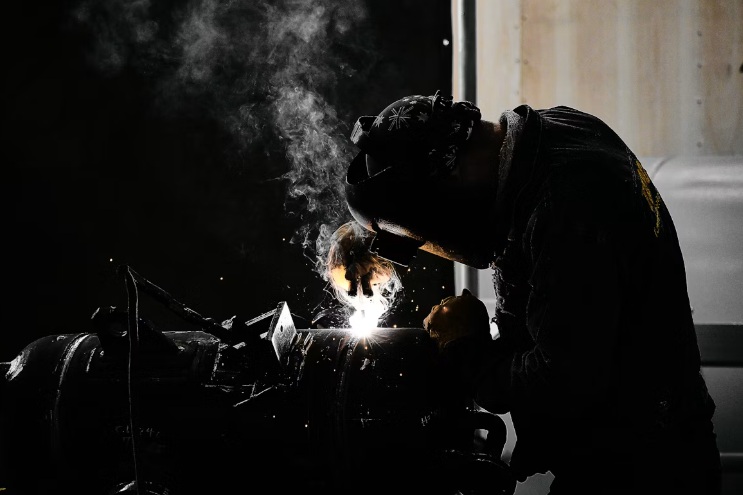
Construction, pipeline, utility and emergency-repair teams often work in places where grid power is limited or unavailable. A pneumatic tool may be needed for one task, a welder for the next, and temporary electrical power for lighting or auxiliary equipment. A 3-in-1 welder generator compressor can bring these functions together on one mobile platform, but it should be treated as a project-engineered field-power system rather than a simple off-the-shelf compressor.
What Is a 3-in-1 Welder Generator Compressor?
A 3-in-1 system combines three functions: compressed air for pneumatic tools, welding power for fabrication or repair, and electrical generation for compatible equipment and lighting. The package may be integrated on a skid, trailer, truck or other mobile frame, depending on the worksite and transport requirements.
The three functions do not automatically operate at their maximum output at the same time. The system must be sized around the actual simultaneous load. This is why the tool list, welding process, generator demand, operating hours and mobility requirements should be reviewed before a configuration is quoted.
Where Mobile Field-Power Systems Are Used
The most suitable applications are those that combine several types of work in one remote location. Construction and structural crews may need air tools, welding and temporary power during installation or repair. Pipeline teams may coordinate welding, pneumatic tools and lighting along a route. Utility and road-maintenance crews may need a package that can move between service points without depending on a permanent electrical connection.
Agricultural service, mobile equipment repair and emergency response can also benefit from a combined platform. In each case, the correct configuration depends on the work rather than the keyword used to describe the machine.
Five Requirements to Confirm Before Buying
1. Compressed-Air Demand
Start with every pneumatic tool that may be used. Record required CFM, operating PSI, hose length, number of tools running at once and expected duty cycle. Delivered airflow at the required pressure is more useful than a headline compressor number. If demand changes during the day, include both average and peak requirements.
2. Welding Process and Duty Cycle
Specify whether the work uses stick, MIG, TIG or another process. Confirm the required amperage range, duty cycle, electrode or wire requirements, grounding arrangement and expected continuous workload. A welding configuration for short repair work may be very different from one intended for repeated structural fabrication.
3. Generator Load and Electrical Compatibility
List all equipment that could run from the generator, including starting loads from motors and pumps. Confirm continuous and peak output, voltage, phase, frequency, outlets and protection devices. A unit that can provide welding power is not automatically compatible with every motor, charger or sensitive electronic device.
4. Mobility and Site Access
Decide whether the system should be trailer-mounted, truck-mounted, skid-mounted or stationary. Review total weight, lifting points, tie-downs, road access, terrain, turning space, fuel access, exhaust clearance and service space. These details affect both safety and daily productivity.
5. Maintenance and Support
A combined system has more service points than a stand-alone compressor. Confirm engine maintenance, compressor service, air filters, oil and cooling systems, welding cables, generator outlets, guards and emergency controls. Ask about spare parts, warranty, technical support, training and response time before placing an order.
How to Work With a Made-to-Order Supplier
For a custom system, the initial inquiry should contain enough information for an engineering review. Include the worksite location, tools, welding process, required amperage, generator loads, CFM, PSI, operating hours, preferred fuel, mounting format, target delivery date and environmental conditions such as altitude, dust, heat or weather exposure.
A qualified supplier should then confirm the operating envelope, platform, controls, outlets, cooling, enclosure, exhaust arrangement and service access. The final quotation should identify the confirmed configuration, price, production lead time, inspection process, shipping terms, warranty and support scope. Do not assume that every function can run at maximum output simultaneously until the supplier confirms it in writing.
Why Application-Based Selection Matters
The value of a 3-in-1 field-power system is not simply the number of functions listed in the product name. The real question is whether one coordinated package can support the tools and work sequence required at the site. An undersized air system can slow pneumatic work. An unsuitable generator can create electrical compatibility problems. A platform that is difficult to transport can reduce the expected productivity benefit.
A structured review helps the buyer compare the complete system instead of comparing isolated horsepower, amperage or generator figures. It also creates a written record of what the equipment is expected to do, which is useful for quotation review, operator training and future service.
Request a Project Review
HPDMC presents the 3-in-1 welder generator compressor as a made-to-order field-power project. Buyers can review the system concept, provide their tool and load requirements, and request confirmation of the proposed configuration before discussing final price and delivery terms. For the full application checklist, see the 3-in-1 welder generator compressor guide.
Editorial note: This article is written as an educational equipment-selection guide. Product configuration, simultaneous output, price, lead time and delivery terms should be confirmed for each project.






