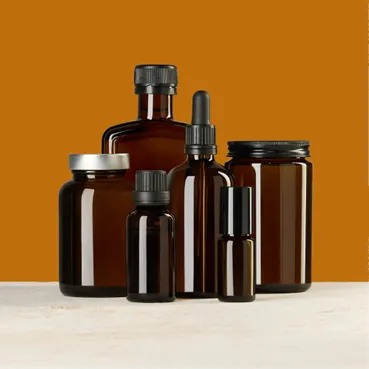
When it comes to essential oils, ensuring the quality and longevity of the product is crucial for any brand. The right storage solutions are vital for preserving essential oils from degradation and maintaining their effectiveness. Factors such as light exposure, temperature, and air contact can all impact the quality of essential oils. Therefore, brands should choose effective packaging options, such as wholesale glass bottles, to ensure maximum protection.
The Importance of Proper Packaging
Proper packaging of essential oils is not merely about aesthetics. It plays a significant role in preserving the oil’s natural properties. Quality packaging prevents evaporation and contamination, and glass bottles are often preferred due to their impermeability and inert nature.
The Role of Glass in Essential Oil Storage
Glass bottles are one of the most popular choices for storing essential oils. They offer superior protection against environmental factors as compared to plastic. Amber and cobalt blue glass bottles are particularly favoured because they filter out harmful rays from sunlight, preventing any chemical reactions that degrade the oil’s quality.
Benefits of Amber and Blue Glass
The coloured glass acts as a barrier against UV light, ensuring that the essential oils remain potent and effective. This makes options like amber and blue glass an excellent choice when sourcing dropper bottle solutions.
Seal Integrity
Another key consideration in essential oil storage is the integrity of the seal. A tight-fitting seal prevents air from entering the bottle, which can oxidise the oil and reduce its shelf life. Selecting caps or closures that ensure a firm seal is essential for preserving the oil’s qualities.
Measuring and Dispensing
Dropper bottles provide precision in dispensing, which is crucial for both consumer satisfaction and efficient use of the product. The accuracy afforded by dropper mechanisms prevents wastage and ensures that the correct amount of oil is used each time.
Types of Droppers
There are several types of droppers to consider, including glass pipettes and plastic droppers. Each has its own advantages, but glass pipettes are generally preferred for their reusability and minimal risk of chemical leaching.
Capacity Considerations
It is important for brands to carefully select the capacity of their packaging solutions. Smaller bottles may suit consumers who prefer to purchase oils in limited quantities, whereas larger bottles might appeal to frequent users or professional buyers.
Eco-friendly Packaging Options
With growing consumer awareness about environmental issues, many brands are opting for sustainable packaging options. Recyclable and reusable glass bottles align with eco-friendly initiatives, often enhancing a brand’s reputation in the market.
Refillable Packaging
Refillable bottle options are gaining popularity, allowing consumers to refill their bottles instead of disposing of them. This not only reduces waste but also promotes a sustainable cycle of use.
The Aesthetic Appeal of Packaging
While functionality is critical, the visual appeal of packaging cannot be overlooked. Attractive packaging can help an essential oil brand stand out on the shelves and appeal to consumers.
Branding Opportunities
Packaging serves as a platform for branding. From the choice of colours to the design of labels, every element contributes to the brand’s identity and consumer perception.
Conclusion
In conclusion, essential oil brands should give careful consideration to their storage solutions. Factors such as material choice, seal integrity, dispensing accuracy, and environmental impact all play pivotal roles in maintaining product quality and enhancing brand reputation. By investing in quality packaging, such as the Techpack packaging range, brands can ensure their products are stored safely and effectively, meeting both consumer needs and regulatory standards.