Building a new structure, remodeling a home, adding living space, or converting a garage can be an exciting investment. However, before construction begins, property owners in Los Angeles County must navigate one of the most important parts of the process: obtaining the proper building permits.
While permits may seem like a bureaucratic hurdle, they play a critical role in ensuring that construction projects meet safety standards, zoning regulations, and local building codes. Failing to obtain the required permits can lead to costly penalties, project delays, and complications when selling a property in the future.
Whether you’re planning a home renovation, room addition, or an accessory dwelling unit (ADU), understanding how permits work can save significant time and money. This guide explains the building permit requirements in Los Angeles County and what homeowners should know before starting a project.
What Is a Building Permit?
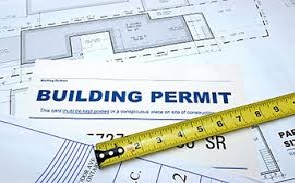
A building permit is an official approval issued by a local government agency that allows construction or renovation work to proceed legally. The permit process ensures that the proposed project complies with building codes, zoning ordinances, environmental regulations, and public safety requirements.
Building permits help protect homeowners, contractors, neighbors, and future occupants by verifying that structures are designed and built according to established standards.
Once a permit is issued, the project typically undergoes inspections at various stages to ensure compliance throughout construction.
Why Building Permits Matter
Many homeowners are tempted to skip the permit process, especially for smaller projects. However, doing so can create serious problems down the road.
Permits provide several important benefits:
- Ensure structural safety
- Verify electrical and plumbing systems meet code requirements
- Protect property values
- Reduce liability risks
- Prevent costly code violations
- Simplify future property sales and refinancing
Unpermitted work may result in fines, stop-work orders, or mandatory demolition of completed structures. In some cases, homeowners may face difficulties obtaining insurance coverage for unauthorized construction.
Projects That Typically Require a Permit
In Los Angeles County, permits are generally required whenever construction affects a building’s structure, systems, or occupancy.
Common projects requiring permits include:
Home Additions
Adding bedrooms, expanding living spaces, building second stories, or enlarging existing structures usually requires permit approval.
Accessory Dwelling Units (ADUs)
ADUs have become increasingly popular throughout Southern California. Whether constructing a detached unit, converting a garage, or building above an existing structure, permits are required. Working with professionals experienced in adu design and build Los Angeles projects can help streamline the approval process and reduce potential delays.
Major Remodeling Projects
Kitchen renovations, bathroom remodels, structural modifications, and wall removals often require permits, especially when plumbing, electrical, or load-bearing components are involved.
Electrical Work
Installing new circuits, upgrading service panels, rewiring sections of a home, or adding major electrical systems generally requires permits and inspections.
Plumbing Modifications
Relocating fixtures, replacing sewer lines, adding bathrooms, or modifying plumbing systems usually requires approval.
Mechanical Systems
HVAC installations, furnace replacements, ductwork modifications, and air conditioning upgrades frequently require permits.
Decks, Patios, and Exterior Structures
Depending on size, height, and location, decks, patios, retaining walls, and other exterior structures may require permits.
Projects That May Not Require Permits
Some minor maintenance and cosmetic improvements can often be completed without permits.
Examples may include:
- Interior painting
- Flooring replacement
- Cabinet installation
- Countertop replacement
- Minor repairs
- Fence repairs below certain height limits
However, requirements vary depending on location and project scope. Homeowners should always verify with the appropriate local building department before beginning any work.
Understanding Zoning Regulations
Obtaining a building permit is not solely about construction codes. Zoning regulations also play a major role in determining whether a project can proceed.
Zoning rules govern:
- Property setbacks
- Building height restrictions
- Lot coverage limitations
- Parking requirements
- Land use classifications
- Density regulations
For example, an ADU project may meet building code requirements but still require adjustments to comply with zoning standards.
Before investing in architectural plans, homeowners should confirm that their proposed project aligns with local zoning ordinances.
The Building Permit Process
Although requirements vary among jurisdictions, most projects follow a similar permit approval process.
Step 1: Project Planning
The process begins with defining the scope of work and determining applicable regulations.
At this stage, property owners often consult with designers, architects, engineers, or construction professionals to evaluate feasibility.
Step 2: Prepare Construction Plans
Detailed plans are typically required for permit applications.
These may include:
- Site plans
- Floor plans
- Elevations
- Structural calculations
- Energy compliance documents
- Mechanical, electrical, and plumbing layouts
The quality and completeness of submitted plans significantly influence approval timelines.
Step 3: Submit Permit Application
Applications are submitted to the appropriate city or county building department.
Reviewers evaluate plans for compliance with building codes, zoning regulations, safety requirements, and environmental standards.
Step 4: Plan Check Review
Many projects undergo a formal plan review process.
During this phase, reviewers may request corrections, clarifications, or revisions before granting approval.
Addressing plan check comments promptly can help avoid unnecessary delays.
Step 5: Permit Issuance
Once plans meet all requirements and applicable fees are paid, the permit is issued.
Construction can legally begin after permit approval.
Step 6: Inspections
Inspections occur at specific stages throughout construction.
Common inspections include:
- Foundation inspection
- Framing inspection
- Electrical inspection
- Plumbing inspection
- Mechanical inspection
- Final inspection
Work must generally pass each inspection before progressing to the next phase.
Step 7: Final Approval
After all inspections are successfully completed, the project receives final approval and can be occupied or used as intended.
Common Reasons Permit Applications Are Delayed
Permit approval delays are common in Los Angeles County, particularly for complex residential projects.
Some frequent causes include:
Incomplete Plans
Missing information is one of the most common reasons for delays. Detailed and accurate plans help reviewers process applications more efficiently.
Zoning Conflicts
Projects that exceed height limits, setback requirements, or lot coverage restrictions often require revisions.
Structural Concerns
Insufficient engineering documentation may trigger requests for additional calculations or modifications.
Code Compliance Issues
Building codes evolve regularly. Plans that fail to reflect current requirements often require corrections before approval.
Environmental Reviews
Certain projects may require additional environmental review depending on location and project scope.
How Long Does Permit Approval Take?
Permit timelines vary considerably based on project complexity, local workload, and review requirements.
Simple projects may receive approval within a few weeks, while larger developments can take several months.
Factors affecting approval times include:
- Project size
- Number of required reviews
- Completeness of application materials
- Agency workload
- Requested revisions
Starting the permit process early is one of the best ways to prevent construction delays.
Tips for a Smoother Permit Process
Homeowners can improve their chances of obtaining timely approvals by following several best practices.
Hire Experienced Professionals
Architects, designers, engineers, and permit specialists understand local requirements and can help avoid costly mistakes.
Verify Zoning Early
Checking zoning restrictions before developing plans can prevent major redesigns later.
Submit Complete Documentation
Thorough, accurate applications reduce the likelihood of correction notices.
Respond Quickly to Reviewer Comments
Prompt responses help keep applications moving through the approval process.
Maintain Communication
Regular communication with project consultants and local agencies helps identify potential issues before they become significant obstacles.
Consequences of Building Without a Permit
Some property owners attempt to bypass permit requirements to save time or money. However, the risks often outweigh any perceived benefits.
Potential consequences include:
- Fines and penalties
- Stop-work orders
- Mandatory removal of completed work
- Difficulty obtaining financing
- Insurance complications
- Reduced property value
- Problems during property sales
Many buyers now request permit records during real estate transactions, making compliance more important than ever.
Final Thoughts
Building permits are a fundamental part of residential construction in Los Angeles County. While the process can sometimes seem complex, permits help ensure that projects are safe, legally compliant, and built to established standards.
Whether you’re planning a home addition, major renovation, or ADU construction, understanding permit requirements before work begins can save substantial time, money, and frustration. By preparing accurate plans, working with qualified professionals, and following local regulations, homeowners can move through the approval process more efficiently and complete their projects with confidence.