
The construction industry is continuously evolving as developers, architects, and infrastructure planners seek building methods that offer faster execution, improved quality, cost efficiency, and long-term durability. Among the many advancements shaping modern construction practices, precast wall panels have emerged as one of the most reliable and efficient building solutions for residential, commercial, industrial, and infrastructure projects.
Traditional construction methods often involve lengthy on-site activities, higher labor dependency, material wastage, and inconsistent quality due to varying environmental conditions. In contrast, precast wall panels provide a factory-manufactured solution that enhances precision, accelerates project timelines, and improves overall structural performance.
Understanding Precast Wall Panels
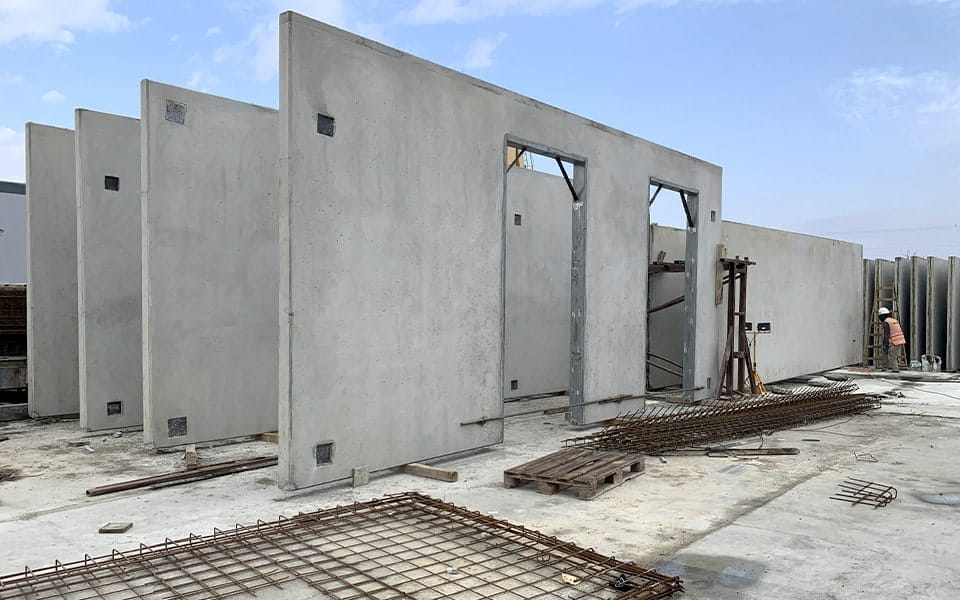
Precast wall panels are concrete wall components manufactured in controlled factory environments using reusable molds, reinforcement systems, high-quality aggregates, cement, and specialized admixtures. Once manufactured and cured under monitored conditions, the panels are transported to the construction site and installed using cranes and lifting systems.
These panels can be designed in various shapes, sizes, and finishes depending on the project requirements. They may serve as:
- Structural load-bearing walls
- External facade walls
- Internal partition walls
- Boundary walls
- Shear walls
- Architectural cladding panels
- Insulated wall systems
Precast wall panels are widely used in high-rise buildings, villas, industrial sheds, warehouses, hospitals, educational institutions, commercial complexes, metro projects, and smart city infrastructure.
The ability to manufacture wall components off-site while site preparation continues simultaneously offers a major advantage over conventional construction systems.
Why Precast Wall Panels are Gaining Popularity
Faster Construction Speed
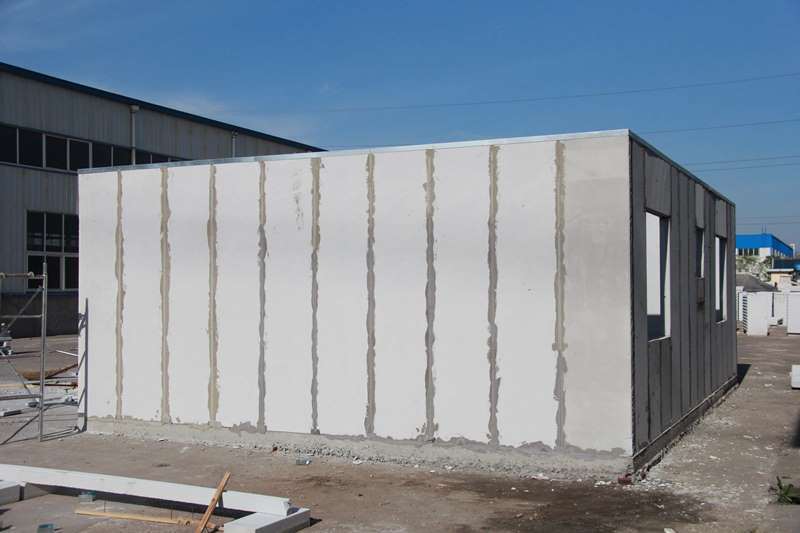
One of the most important benefits of precast wall panels is the significant reduction in project timelines. Since panels are manufactured in factories while foundation and groundwork activities are taking place on-site, multiple construction stages can proceed simultaneously.
Unlike traditional brick masonry or cast-in-situ concrete walls that require shuttering, curing, plastering, and extended labor involvement, precast wall panels arrive ready for installation. This drastically reduces construction time and allows developers to complete projects much faster.
For large residential and commercial developments, this speed advantage can lead to earlier occupancy, faster revenue generation, and reduced financing costs.
Superior Quality and Precision
Factory-controlled production ensures consistent quality standards throughout the manufacturing process. Variables such as cement ratio, reinforcement placement, curing conditions, dimensional tolerances, and surface finishes are carefully monitored.
This controlled environment helps eliminate many of the issues commonly associated with conventional construction, including:
- Uneven wall surfaces
- Cracks caused by improper curing
- Material inconsistencies
- Alignment errors
- Excessive rework
Precast wall panels offer smooth finishes, better dimensional accuracy, and improved structural consistency, reducing the need for extensive site corrections and finishing work.
Reduced Labor Dependency
Labor shortages and rising manpower costs continue to challenge the construction industry. Traditional masonry work requires a large workforce for bricklaying, plastering, curing, and finishing activities.
Precast wall systems significantly reduce on-site labor requirements because most manufacturing activities are completed in factories using mechanized processes. Installation mainly involves lifting and assembling the panels at the site.
This reduction in labor dependency provides several advantages:
- Lower labor costs
- Reduced project delays
- Improved productivity
- Better workforce management
- Consistent construction quality
In regions where skilled labor availability is limited, precast construction becomes an even more attractive solution.
Structural Strength and Durability
Precast wall panels are designed to achieve high structural performance and long service life. Advanced engineering methods and controlled manufacturing processes ensure that the panels possess excellent compressive strength, load-bearing capacity, and resistance to environmental conditions.
The durability of precast panels makes them suitable for:
- High-rise buildings
- Industrial facilities
- Infrastructure projects
- Coastal environments
- Heavy traffic zones
- Seismic regions
The use of high-quality concrete and reinforcement also enhances resistance to:
- Moisture penetration
- Weathering
- Corrosion
- Fire exposure
- Thermal variation
Compared to conventional masonry walls, precast systems often provide superior structural reliability and reduced maintenance requirements over time.
Sustainability and Environmental Benefits
Modern construction increasingly focuses on sustainability, resource efficiency, and reduced environmental impact. Precast wall panels contribute significantly to green building practices due to their efficient manufacturing process and reduced site wastage.
Reduced Material Waste
Traditional construction sites often generate large amounts of material waste from broken bricks, excess mortar, shuttering materials, and improper handling. Precast manufacturing optimizes material usage through controlled batching and reusable molds.
Excess concrete can often be recycled within the production facility, minimizing wastage and improving resource efficiency.
Lower Water Consumption
Conventional construction consumes substantial amounts of water for curing, mixing, and plastering activities. Since precast panels are cured in factory-controlled environments, water usage is significantly reduced at the project site.
Cleaner Construction Sites
Precast installation generates less dust, noise, debris, and construction pollution compared to conventional methods. This is especially beneficial in urban areas where environmental regulations and public safety concerns are increasingly important.
Energy Efficiency
Insulated precast wall panels can improve thermal performance within buildings, helping reduce energy consumption associated with heating and cooling systems. This contributes to improved building efficiency and lower operational costs.
Architectural Flexibility
Another major advantage of precast wall panels is their design flexibility. Modern manufacturing technologies allow architects and designers to create panels with various:
- Textures
- Shapes
- Colors
- Surface finishes
- Decorative patterns
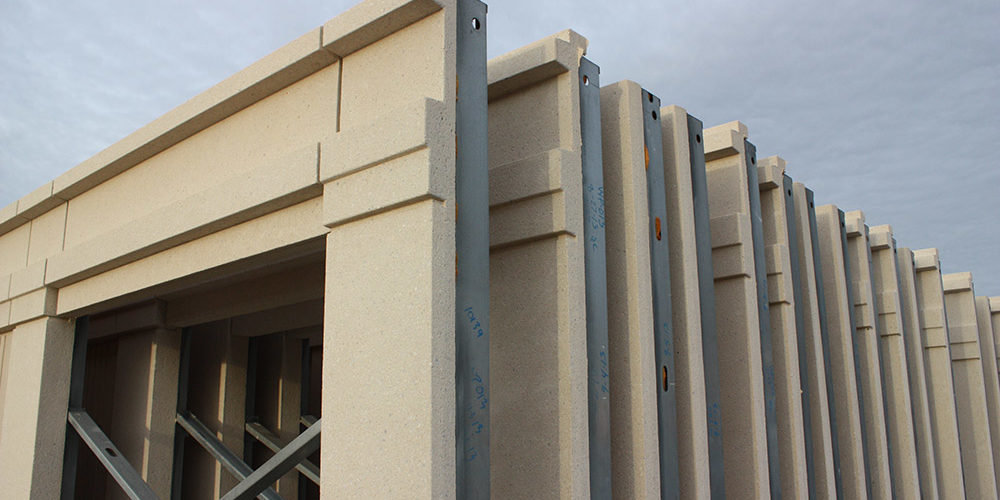
Architectural precast panels can replicate materials such as:
- Natural stone
- Brick finishes
- Wood textures
- Exposed concrete aesthetics
This flexibility enables designers to achieve modern visual appeal while maintaining structural efficiency and construction speed.
Precast wall systems can also be customized to integrate:
- Windows
- Door openings
- Utility conduits
- Insulation layers
- Embedded fixtures
This reduces additional site work and simplifies installation processes.
Applications of Precast Wall Panels
Residential Buildings
Precast wall panels are increasingly used in apartments, villas, gated communities, and affordable housing projects. Their speed of construction makes them ideal for mass housing developments where rapid delivery is essential.
Commercial Projects
Office complexes, shopping malls, hotels, and institutional buildings benefit from precast wall systems because they provide faster project completion and better finish quality.
Industrial Construction
Factories, warehouses, logistics parks, and manufacturing facilities often require large clear spans and rapid construction timelines. Precast wall panels help achieve these goals efficiently.
Infrastructure Development
Metro stations, tunnels, bridges, retaining walls, and utility structures frequently utilize precast components for improved durability and faster execution.
Healthcare and Educational Facilities
Hospitals and schools require hygienic, durable, and quickly deliverable structures. Precast systems help reduce construction time while ensuring structural reliability.
The Future of Precast Wall Panel Technology
As construction projects become larger, more complex, and time-sensitive, the adoption of precast wall panels is expected to grow significantly. Government infrastructure initiatives, smart city projects, industrial expansion, and urban housing demands are driving increased investment in precast technology.
Technological advancements such as:
- Building Information Modeling (BIM)
- Automated precast manufacturing
- High-performance concrete
- Smart reinforcement systems
- Advanced lifting technologies
are further improving the efficiency and reliability of precast construction.
The integration of digital construction planning and industrialized building systems is likely to make precast wall panels a central component of future infrastructure development.
Conclusion
Precast wall panels have transformed modern construction by offering a faster, cleaner, and more efficient alternative to traditional building methods. Their ability to deliver superior quality, reduced labor dependency, improved structural durability, and enhanced sustainability makes them an ideal solution for contemporary infrastructure and building projects. As technology continues to advance and urban development accelerates, precast wall panels are expected to play an increasingly important role in shaping the future of modern construction.
Image Credit: moldtechsl.es, aybacm.com,






