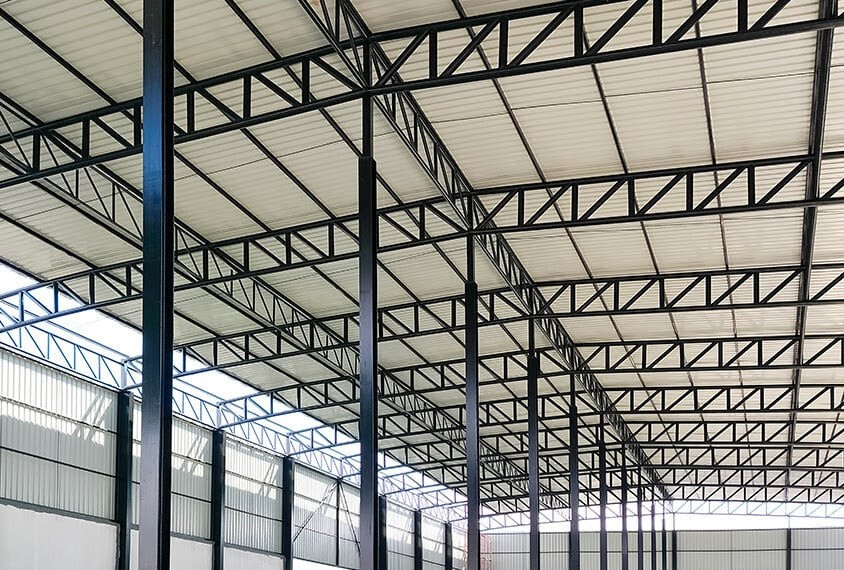
Warehouses play an important role in modern supply chains, serving as storage, distribution, and operational hubs across industries such as manufacturing, logistics, e-commerce, and agriculture. One of the most important structural elements of any warehouse is its roof. A well-designed roofing system ensures protection of goods, enhances operational efficiency, and contributes to long-term cost savings.
Among the various roofing options available today, roofing sheets have become the most widely used solution for warehouses. Their popularity stems from their lightweight nature, durability, affordability, and ease of installation. Roofing sheets are typically made from materials like metal, polycarbonate, PVC, or fibre cement, and are designed to withstand environmental challenges such as rain, heat, wind, and dust.
Why Roofing Sheets Are Used for Warehouses & Their Benefits
- Lightweight Construction
Roofing sheets are much lighter than traditional materials like concrete or tiles, reducing structural load. This allows for simpler support systems and makes them ideal for large-span warehouse buildings. - Fast Installation
Prefabricated and easy to handle, roofing sheets enable quick installation. This helps reduce labor costs and ensures faster project completion timelines. - High Durability
Especially in metal variants, roofing sheets offer long service life. With proper coatings, they resist corrosion, wear, and mechanical stress, lasting for decades. - Weather Resistance
Designed to withstand harsh environmental conditions, roofing sheets provide protection against heavy rain, strong winds, UV exposure, and temperature fluctuations. - Cost-Effectiveness
They offer a lower initial investment compared to traditional roofing, along with reduced maintenance costs, making them economical over the long term. - Protection of Goods
Roofing sheets ensure stored goods are safeguarded from rain, dust, sunlight, and other environmental factors, maintaining inventory quality. - Energy Efficiency
Modern roofing sheets help reduce heat absorption and maintain better indoor temperatures, lowering cooling costs and improving working conditions. - Design Flexibility
Available in various profiles, sizes, and materials, roofing sheets allow customization based on specific warehouse requirements. - Scalability & Easy Expansion
Warehouses can be expanded easily with roofing sheets, as they allow seamless extensions without major structural changes.
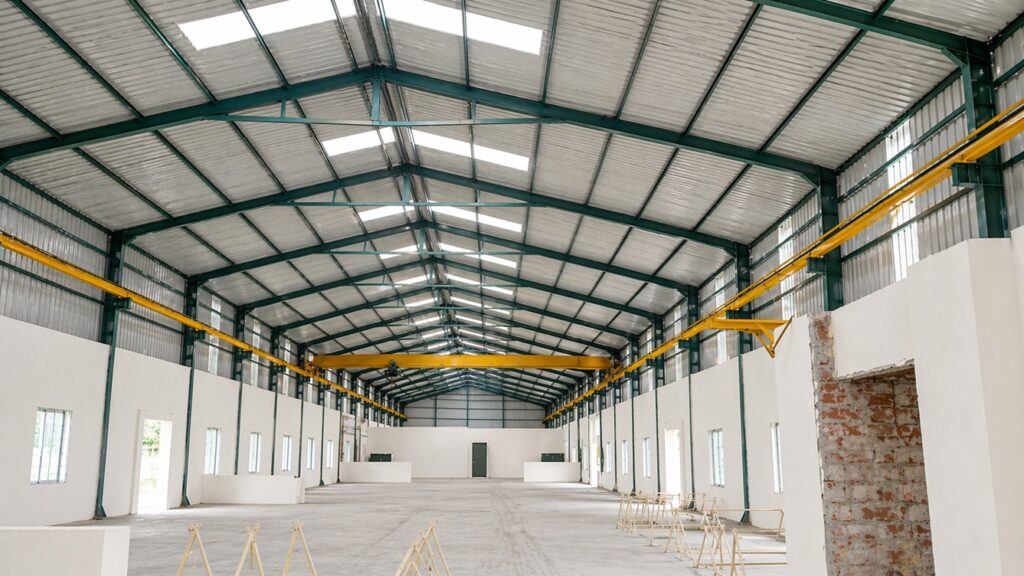
Applications of Roofing Sheets in Warehouses
- Logistics and distribution centers for large-scale storage and movement of goods
- Manufacturing warehouses requiring durable and load-efficient roofing systems
- Cold storage facilities using insulated sheets for temperature control
- E-commerce fulfillment centers with fast-paced operations and large spans
- Agricultural storage units for grains, fertilizers, and equipment
- Chemical and industrial storage where moisture and corrosion resistance is important
- Temporary and modular warehouses for quick and cost-effective setup
Types of Roofing Sheets Used in Warehouses
Selecting the right type of roofing sheet is essential for ensuring performance, durability, and cost-efficiency. Below are the most commonly used types:
1. Metal Roofing Sheets (Galvanized & Color-Coated)
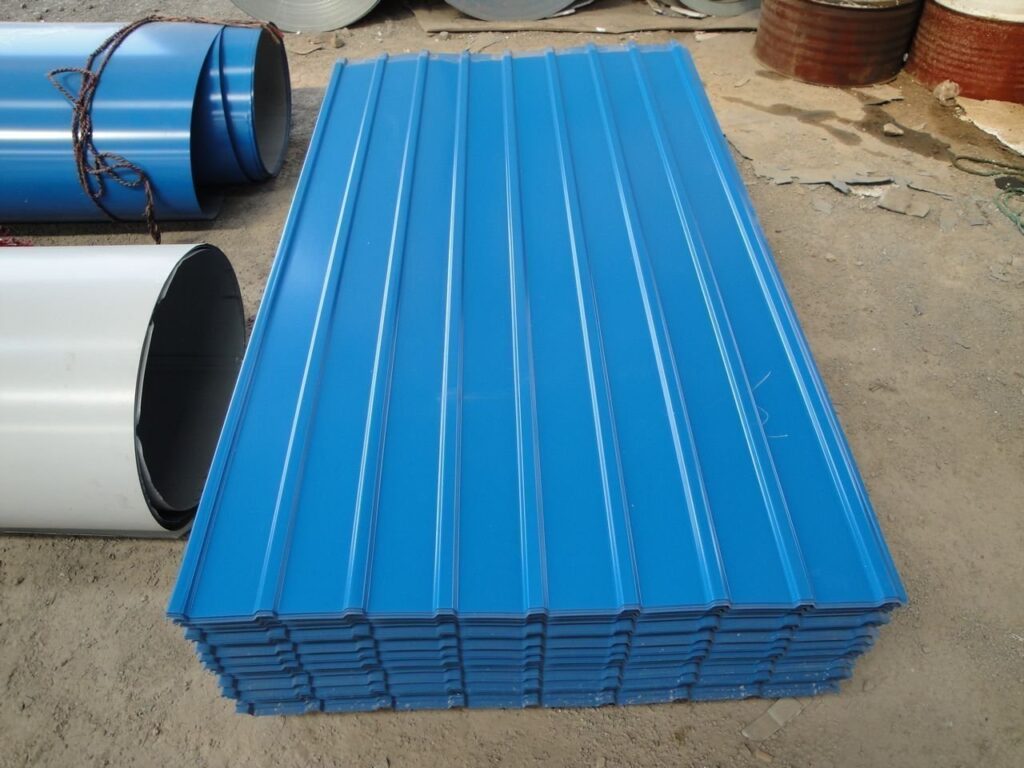
Metal roofing sheets are the most popular choice for warehouses due to their strength and long-term reliability. They are typically made from galvanized iron (GI), steel, aluminum, or zinc. Galvanized sheets are coated with zinc to prevent rust and corrosion, making them highly suitable for industrial environments. Color-coated sheets come with an additional protective and aesthetic coating (such as polyester or PVDF), which enhances durability, weather resistance, and visual appeal. These sheets offer a high strength-to-weight ratio, are fire-resistant, and can withstand harsh environmental conditions. Widely used in industrial warehouses, logistics hubs, and manufacturing units, they require minimal maintenance and have a long lifespan. Corrugated and trapezoidal profiles are commonly used to improve structural strength and ensure efficient water drainage.
2. Polycarbonate Roofing Sheets
Polycarbonate roofing sheets are transparent or translucent materials designed to allow natural light into warehouse interiors. Known for their high impact resistance and UV protection, these sheets are lightweight yet extremely strong, making them a safer alternative to glass. They are commonly used for skylights or daylight panels in warehouses, helping reduce dependence on artificial lighting and lowering energy costs. Polycarbonate sheets improve indoor visibility and create a more comfortable working environment. They are often combined with metal roofing systems to balance strength with natural illumination.
3. PVC Roofing Sheets
PVC (polyvinyl chloride) roofing sheets are ideal for warehouses exposed to chemicals, moisture, or corrosive environments. These sheets are waterproof, lightweight, and resistant to chemical damage, making them suitable for specialized industrial applications. They are commonly used in chemical storage facilities, agricultural warehouses, and coastal regions where corrosion is a concern. PVC sheets are affordable and easy to install, offering a practical solution for environments where durability against harsh substances is required. Their resistance to moisture and chemicals makes them particularly valuable in challenging conditions.
4. PUF (Polyurethane Foam) Insulated Roofing Sheets
PUF roofing sheets, also known as sandwich panels, consist of two outer metal sheets with a polyurethane foam core in between. These sheets are designed to provide superior thermal insulation, making them ideal for temperature-controlled warehouses such as cold storage, food processing units, and pharmaceutical facilities. They offer excellent energy efficiency by minimizing heat transfer, thereby reducing cooling and heating costs. In addition to insulation, PUF panels also provide good structural strength, sound insulation, and moisture resistance. Their prefabricated nature allows quick installation and ensures a clean, modern finish.
5. Fibre Cement Roofing Sheets
Fibre cement roofing sheets are made from a mixture of cement reinforced with fibers, resulting in a strong and durable material. These sheets are fire-resistant, non-corrosive, and provide good thermal insulation, making them suitable for warehouses in hot climates. They are commonly used in traditional warehouses, rural storage units, and industrial buildings where long-term durability is important. Fibre cement sheets require low maintenance and are resistant to pests, weathering, and environmental damage. Their ability to reduce heat transfer helps maintain a more stable internal temperature.
6. Bitumen Roofing Sheets
Bitumen roofing sheets are typically used in temporary or low-budget warehouse structures. These sheets are lightweight, flexible, and waterproof, making them easy to handle and install. They are commonly used for small-scale storage units or short-term warehouse setups where cost is a primary concern. While they are economical and convenient, they are less durable compared to metal or fibre cement sheets and may require more frequent maintenance or replacement. Despite this limitation, they remain a practical option for projects with budget constraints or temporary requirements.
Key Factors to Consider When Choosing Roofing Sheets for Warehouses
- Material Composition
Selection between GI (galvanized iron), aluminum, zinc, or color-coated steel sheets impacts strength, durability, and corrosion resistance. - Sheet Thickness (Gauge)
Thickness directly affects load-bearing capacity, wind resistance, and overall structural performance of the roofing system. - Coating & Surface Treatment
Protective coatings such as galvanized, galvalume, or color coating enhance corrosion resistance, UV protection, and lifespan. - Profile Design
Corrugated, trapezoidal, or ribbed profiles influence structural strength, water drainage efficiency, and installation stability. - Thermal Performance
Roofing sheets with reflective coatings or integrated insulation (e.g., PUF-backed sheets) help reduce heat gain and improve energy efficiency. - Corrosion Resistance
Essential for warehouses in coastal, humid, or industrial environments to prevent rust and material degradation. - Wind Uplift Resistance
Sheets must be designed and fixed properly to withstand high wind loads, especially for large-span warehouse structures. - Water Tightness
Overlapping design, sealing, and profile shape should prevent leakage during heavy rainfall. - Fire Resistance
Roofing sheets should comply with fire safety standards, especially in industrial and storage facilities. - Weight of Sheets
Lightweight sheets reduce structural load and enable easier handling and faster installation. - Maintenance Requirements
High-quality coated sheets require minimal maintenance and offer long-term performance. - Durability & Lifespan
The combination of material, coating, and thickness determines the overall life expectancy of the roofing sheets.
Installation Best Practices
Proper installation is important to ensure the performance and longevity of roofing sheets.
1. Proper Roof Slope
A minimum slope is necessary to ensure proper water drainage and prevent water accumulation.
2. Quality Fasteners and Sealants
Using high-quality fasteners and sealants helps prevent leaks and improves structural integrity.
3. Ventilation
Adequate ventilation reduces heat buildup inside the warehouse and improves air circulation.
4. Professional Installation
Hiring skilled professionals ensures proper alignment, sealing, and structural safety.
Emerging Trends in Warehouse Roofing
1. Insulated Sandwich Panels
These panels consist of two outer layers with an insulating core, providing excellent thermal performance. They are widely used in temperature-controlled warehouses.
2. Solar-Integrated Roofing
Warehouses are increasingly adopting solar panels integrated with roofing systems to generate renewable energy and reduce electricity costs.
3. Cool Roofing Solutions
Cool roofing materials reflect more sunlight and absorb less heat, improving energy efficiency and indoor comfort.
4. Smart Roofing Systems
Advanced coatings and materials are being developed to enhance durability, reduce maintenance, and improve performance.
Conclusion
Roofing sheets have become an essential component of modern warehouse construction due to their versatility, durability, and cost-effectiveness. Whether it is metal, polycarbonate, PVC, or fibre cement, each type of roofing sheet offers unique advantages suited to specific applications.
As technology continues to evolve, innovations such as insulated panels, solar integration, and smart roofing systems are shaping the future of warehouse infrastructure. Investing in the right roofing solution today ensures durability, sustainability, and operational success for years to come.