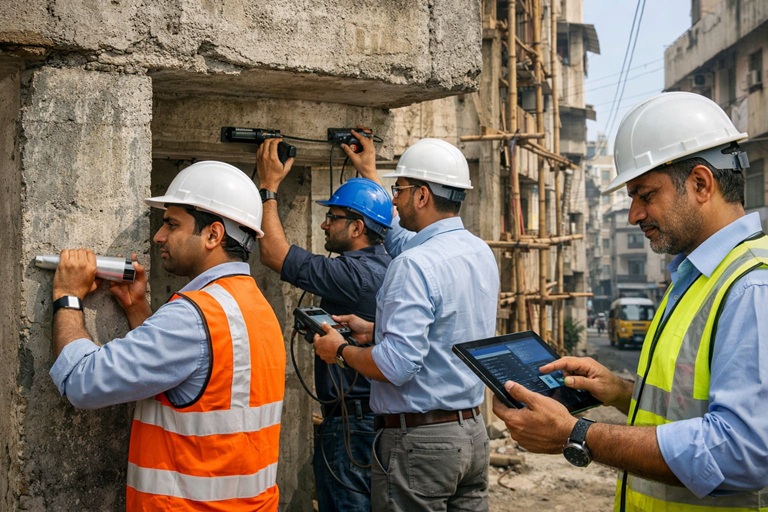
You worry about hidden hazards in an older home. Many older buildings have lead, asbestos, mold, or soil pollution that can harm health. This post shows where to test, what tests do, and how results guide safe repairs.
Read on to protect your property.
Common Environmental Hazards in Older Properties
Older properties can have serious environmental hazards. These include lead, asbestos, and mold that can harm health and safety.
Lead contamination
Lead contamination can hide in old paint, plumbing, and nearby soil. Children face high lead exposure risk from dust and paint chips. Professional testing services detect hazards that visual checks miss.
Testing helps property safety and protects occupant health.
Renovation risks rise when contractors disturb leaded surfaces. Compliance with health regulations often needs lab results and certified abatement plans. Comprehensive testing gives clear data for real estate investment and maintenance evaluation.
Homeowners gain peace of mind and lower long term costs.
Asbestos materials
After addressing lead contamination, inspect old building materials for asbestos. Many homes built before 1980 used asbestos in insulation, floor tiles, and roofing. Disturbed asbestos fibers release into the air.
Exposure links to mesothelioma, lung cancer, and asbestosis.
Professional testing services identify asbestos safely. Qualified inspectors use sampling and lab analysis to confirm contamination. Testing guides renovation planning and reduces renovation risks.
Property safety improves and investors protect property valuation and occupant health.
Mold and moisture issues
Following asbestos concerns, mold and moisture often surface in older homes. Old pipes and poor drainage feed hidden damp in walls and crawl spaces. Mold growth poses serious environmental hazards and can worsen indoor air quality.
Professional testing services locate moisture sources and identify mold species. Tests help meet health regulations and protect occupant health during renovation. Early testing reduces renovation risks and helps maintain property safety.
Soil and water contamination
Mold and moisture issues often lead to other dangers. Soil and water contamination can pose serious risks, especially in older properties. Heavy metals like lead may seep into the ground and water supply.
This contamination can happen from old pipes or nearby industrial sites.
Water can carry these harmful substances into homes. Drinking or using contaminated water is dangerous for health. Soil pollution also affects plants and gardens, harming local ecosystems.
Testing services are essential to ensure safety in both soil and water quality.
Key Areas Requiring Professional Testing
Professional testing is essential for safe older properties. It helps check critical parts of the building for harmful substances and risks. These tests reveal what needs fixing or changing.
Knowing these details can protect your health and save money down the line. Want to learn more about this process?
Paint and coatings
Old paint and coatings can hide dangers. Many older properties used harmful materials.
- Lead-based paint is common in homes built before 1978. It poses serious health risks, especially to children.
- Deteriorating paint can release lead dust or flakes into the air. This makes it easy for occupants to inhale or ingest dangerous particles.
- Paints may contain solvents that emit volatile organic compounds (VOCs). These fumes can harm air quality and cause respiratory issues.
- Professional testing identifies lead and VOCs in paints and coatings. This helps owners take action to protect health.
- Testing also checks for peeling, chipping, or flaking paint. Such conditions increase the risk of exposure to harmful substances.
- Understanding the condition of coatings aids in renovation planning. Owners can make informed choices about repairs and improvements.
- Proper assessment ensures compliance with health regulations regarding lead exposure and hazardous materials.
- Addressing these concerns adds value to real estate investments by ensuring property safety and occupant well-being.
- Regular inspections help maintain structural integrity over time, keeping properties safe for use.
- Professional services provide peace of mind when buying, selling, or renovating older properties with potential hazards in their paint and coatings.
Pipes and plumbing systems
Pipes and plumbing systems in older properties often hide serious risks. Professional testing helps find these hazards before they cause harm.
- Aging pipes can contain lead, which poses serious health risks. Testing identifies any lead contamination before renovations begin.
- Old plumbing may have materials like asbestos. If disturbed, asbestos fibers can become airborne and cause respiratory issues. Proper testing ensures safety during any work.
- Plumbing systems might allow for mold growth due to leaks or moisture problems. Testing can detect mold presence before it spreads and affects indoor air quality.
- Soil and water may be contaminated from old pipes or nearby industrial sites. Testing the water supply checks for harmful substances that could affect residents’ health.
- Renovation plans should include an assessment of existing plumbing infrastructure. Knowing the condition helps prevent unexpected costs and hazards during updates or repairs.
Taking these steps ensures property safety and healthy living conditions for occupants.
Insulation and building materials
Older properties often contain insulation and building materials that may be hazardous. Testing these elements is essential for safety.
- Insulation may contain asbestos, a known carcinogen. If disturbed, asbestos can release harmful fibers into the air.
- Older homes might have lead-based paint on walls or trim. This poses serious health risks, especially to children.
- Building materials can include outdated chemicals that affect air quality. These substances may cause respiratory issues over time.
- Some insulation products can trap moisture, leading to mold growth. Mold poses health risks and damages property. For thorough safety assessments, consider hiring an asbestos testing service to identify potential risks in your property.
- Structural integrity relies on safe materials; unsafe components weaken buildings over time. Professional testing ensures your property remains sound.
- Compliance with health regulations is crucial for property owners; violations can lead to penalties and costly repairs.
- Knowing the exact materials used helps in renovation planning; safe upgrades depend on understanding existing hazards.
- Environmental assessments reveal hidden dangers in older properties; this provides peace of mind for residents and investors alike.
Testing services identify potential risks before they become major problems, ensuring a safe living environment for everyone involved.
Air quality
Air quality is crucial for safety in older properties. Poor air can lead to health issues.
- Mold spores can grow in damp areas. These spores can cause allergies and respiratory problems. They often hide in walls or under carpets.
- Asbestos fibers may be present in aged buildings. Disturbing these materials releases harmful particles into the air. Breathing them in can lead to serious illnesses.
- Lead dust from old paint is a risk, especially for children. It can get into the air when old structures are renovated or disturbed. This exposure may result in developmental issues or poisoning.
- Volatile organic compounds (VOCs) are found in paints and cleaners. These chemicals can evaporate, polluting indoor air over time. Prolonged exposure can impact health and well-being.
- Radon gas may seep from the ground into homes as well. This odorless gas increases lung cancer risks after long-term exposure. Testing is essential to identify radon levels indoors.
- Carbon monoxide from heating systems poses a serious danger too. Faulty appliances may leak this gas without detection, risking occupant safety and health.
- Indoor allergens like dust mites thrive in older homes with poor ventilation. These allergens can trigger asthma attacks and other allergic reactions.
- Air quality testing helps identify problems before they escalate. Regular checks ensure compliance with health regulations and protect property occupants’ wellness.
- Professional testing services provide accurate assessments of air quality hazards, ensuring necessary actions are taken promptly. Early detection of these issues allows for timely remediation, improving property safety and efficiency.
Benefits of Professional Testing
Professional testing helps spot dangers in older properties. This service ensures safe living conditions and saves money on future repairs.
Accurate identification of hazards
Accurate identification of hazards is essential for safety in older properties. Testing can find harmful materials like lead and asbestos. These substances are often hidden but pose serious health risks.
Mold can grow in damp areas, causing respiratory problems. Contaminated soil or water may threaten the environment and human health as well.
Qualified professionals use advanced tools to check for these dangers. Their expertise helps pinpoint issues that might go unnoticed during a regular inspection. This thorough testing ensures compliance with safety regulations and protects everyone involved, making it a key step before renovation or occupancy.
Compliance with safety regulations
Safety regulations are crucial for older properties. They ensure that homes and buildings meet health standards. Many older properties contain hazards like lead, asbestos, or mold.
Testing ensures compliance with these important rules.
Failing to follow safety regulations can lead to serious health risks. It may also result in legal issues for property owners. Professional testing helps identify these dangers early on.
This protects occupants and keeps everyone safe from contamination. Compliance with safety laws enhances the value of a property too, making it a wise investment choice in real estate.
Protection of occupant health
Professional testing helps protect occupant health. Many older properties contain environmental hazards like lead and asbestos. Lead exposure can harm children and adults. It may cause learning issues, behavioral problems, or other serious health risks.
Asbestos fibers can cause lung diseases when inhaled. Mold also poses a significant risk; it can trigger allergies and respiratory problems.
Testing services identify these dangers early on. This ensures that residents take necessary precautions to avoid exposure. Safe living conditions promote well-being for everyone in the property.
The right testing protects not just current occupants but future ones too. Investing in professional assessments leads to better health outcomes for all who live there.
Long-term cost savings
Long-term cost savings come from investing in professional testing. Early detection of hazards like lead, asbestos, and mold prevents costly future repairs. Addressing these issues now can save money on health risks later.
Proper testing ensures compliance with safety regulations, avoiding fines or legal actions down the line.
A thorough assessment also protects your property’s value. This kind of smart investment makes it easier to plan renovations without unexpected costs. Keeping occupants safe means lower medical bills and fewer absences from work or school.
Choosing professional testing leads to better financial outcomes for any real estate investment in older properties.
Conclusion
Professional testing is essential for older properties. It helps find hidden dangers like lead, asbestos, and mold. Identifying these risks protects health and ensures safety. Testing also saves money by preventing costly repairs later.
Investing in this process makes any property safer for everyone involved.