
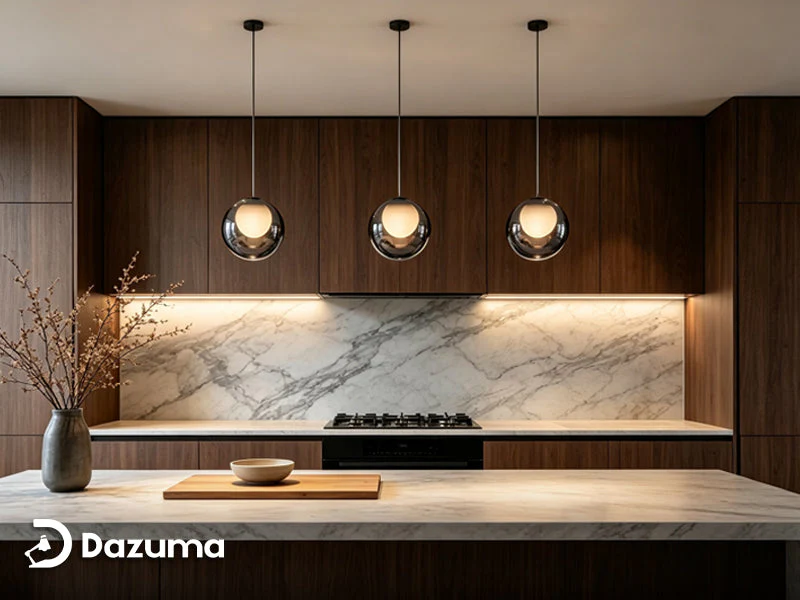
Lighting is often treated as the final decorative layer in an interior project, but it plays a much deeper role in how a space feels and functions. A room may have beautiful furniture, quality materials, and a well-planned layout, yet still feel incomplete if the lighting is flat or poorly placed. Among the many lighting choices used in residential and commercial interiors, pendant lights remain one of the most practical and visually effective options.
Unlike recessed ceiling lights, pendant fixtures are visible parts of the design. They hang within the space, create focus, and help connect the ceiling with the furniture below. This makes them especially useful in kitchens, dining areas, lounges, hotel interiors, cafes, and open-plan homes where both function and atmosphere matter.
Why Pendant Lighting Works Well in Modern Interiors
Pendant lighting works because it does more than brighten a room. It can define zones, add visual height, support task lighting, and introduce a clear design feature. In a kitchen, pendant lights above an island provide useful light for preparation and casual dining. In a dining room, a single fixture above the table can make the area feel more intimate. In a commercial lounge or cafe, a row of pendant lights can guide the eye and create rhythm across the ceiling.
This flexibility is one reason designers continue to use pendant lighting in many different types of spaces. A minimalist room may only need one simple fixture to create a focal point. A warmer residential interior may use softer forms and finishes to create comfort. A restaurant or boutique hotel may use repeated pendants to build a stronger design identity.
Using Pendant Lights to Define Open-Plan Spaces
Open-plan layouts are common in modern homes and commercial projects. They make interiors feel larger and more connected, but they can also lack clear boundaries. Pendant lights help solve this problem without adding walls or partitions. A fixture above a dining table immediately marks that area as a place for gathering. A set of pendants above a kitchen island separates the cooking zone from the living area. In larger hospitality interiors, pendant lighting can make wide spaces feel more human and comfortable.
The key is to choose the right scale. A fixture that is too small can disappear in the room, while one that is too large may feel heavy or distracting. The best pendant lighting feels intentional. It should match the ceiling height, furniture size, and purpose of the area below.
The Appeal of Dome-Shaped Pendant Fixtures
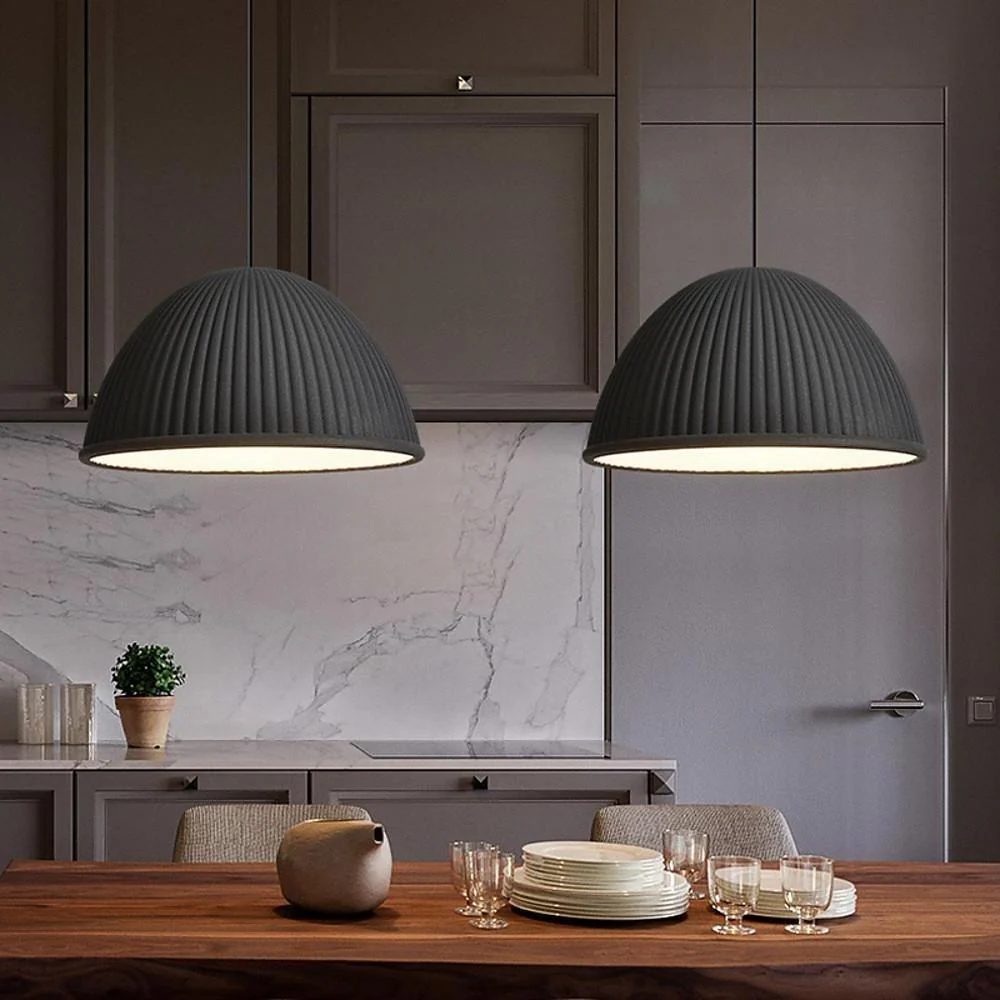
Dome-shaped pendants are especially useful because their curved shades usually direct light downward. This makes them suitable for dining tables, counters, work surfaces, and other areas where focused lighting is needed. At the same time, the simple rounded form works with many interior styles, from contemporary apartments to restaurants and modern office lounges.
A well-chosen Dome Pendant Light can bring both function and softness to a room. Matte black finishes can create contrast in a clean modern interior. Brass or gold tones can add warmth. White or neutral finishes can keep the design calm and understated. Because the dome shape is familiar but still elegant, it is often a safe choice for projects that need a balance between visual impact and long-term usability.
Balancing Task Lighting and Atmosphere
One common mistake in interior lighting is relying on one type of light for the entire room. A space with only strong overhead lighting can feel harsh. A space with only decorative lighting may look attractive but fail to support daily use. Pendant lights work best as part of a layered lighting plan.
For example, in a kitchen, pendants can provide task lighting over the island, while recessed lights handle general brightness. In a dining area, the pendant may create the main glow, supported by wall lights or indirect lighting. In a bedroom, small pendants on both sides of the bed can replace table lamps and free up surface space.
The goal is not just to make a room brighter. Good lighting should make the room easier to use and more comfortable to spend time in. Pendant fixtures are helpful because they bring light closer to the activity area instead of relying only on ceiling-level brightness.
Choosing the Right Pendant for the Room
Selecting a pendant fixture should involve more than choosing a style that looks good in a photo. Size, hanging height, material, light output, and room function all matter. For dining tables, the fixture should usually be centered over the table rather than the entire room. For kitchen islands, multiple pendants should be spaced evenly so the lighting feels balanced. In rooms with lower ceilings, compact fixtures may work better than oversized statement pieces.
Materials also affect the result. Metal shades often create more focused light and a stronger visual shape. Glass shades feel lighter and can spread light more widely. Fabric, rattan, or woven shades may create a softer mood, though they may need more maintenance in kitchens or dusty spaces. A curated Pendant Light collection can help homeowners and designers compare different shapes, finishes, and room applications before choosing the most suitable option.
Residential and Commercial Applications
In residential spaces, pendant lights are often used to add personality without making a room feel overdecorated. A pendant above a breakfast nook can make the corner feel cozy. A sculptural fixture in an entryway can create a strong first impression. Replacing an outdated ceiling fixture with a modern pendant can also refresh a room without a full renovation.
In commercial and hospitality interiors, pendant lights support both design and experience. Cafes use them to make tables feel more intimate. Retail spaces use them to highlight specific areas. Hotels use them in lobbies, corridors, and guest rooms to create memorable visual moments. For architects and designers, pendant lighting is not only decorative; it can support mood, movement, branding, and comfort.
Final Thoughts
Pendant lighting remains one of the most useful ways to add function, atmosphere, and character to an interior space. It can define open areas, support daily tasks, and bring a stronger design identity to both homes and commercial projects. The best results come from choosing fixtures that match the purpose of the room, the scale of the furniture, and the feeling people should experience in the space.
Brands such as Dazuma offer lighting options that can support different interior styles, from simple residential updates to more detailed design projects. When planned carefully, pendant lights do more than illuminate a room. They help shape how the space is used, remembered, and enjoyed.






