
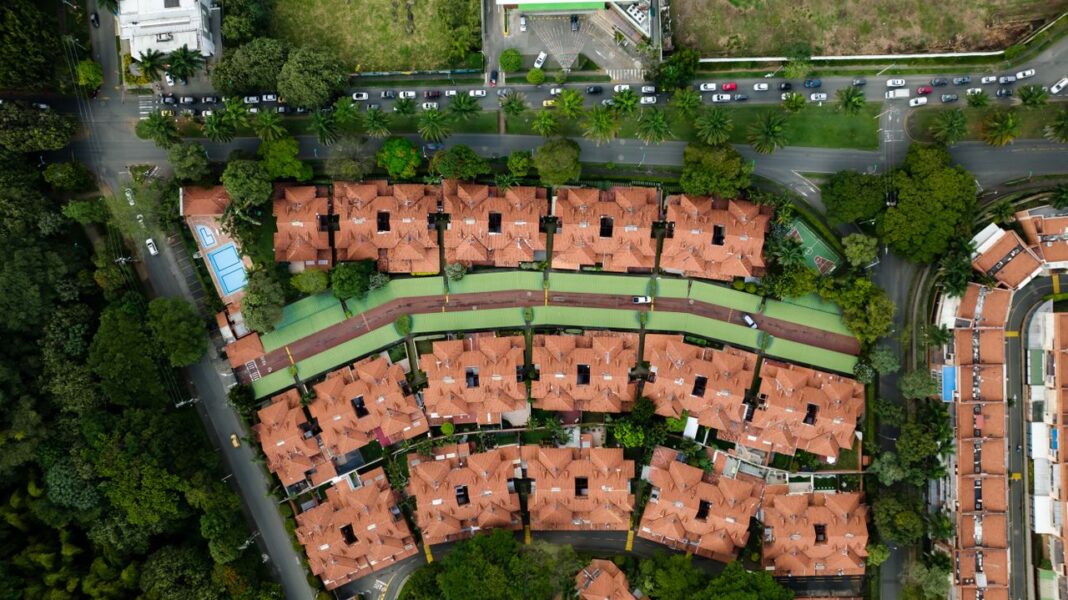
For decades, the success of a city was measured by how much it could build. Today, I believe the more important question is what kind of life it enables.
This is particularly relevant for Bengaluru. Few cities in India have attracted as much talent, enterprise, innovation, and global capital. The city continues to draw entrepreneurs, CXOs, professionals, and NRIs who see Bengaluru not only as an economic opportunity, but as a place to build a meaningful life. As the city expands, however, the conversation around housing can no longer be limited to infrastructure, amenities, or square footage. It must include sustainability, wellness, and liveability.
What made Bengaluru special was never just its economy. It was the city’s gentleness, its tree-lined neighbourhoods, favourable climate, walkability, and a way of life that felt connected to nature. As urbanisation accelerates, preserving these qualities becomes one of the most important responsibilities for those shaping the future of housing.
Increasingly, homebuyers are asking more thoughtful questions. They want to understand how a community manages water, how much open space it preserves, how it responds to climate, and whether it will remain relevant a decade from now. These are no longer peripheral considerations. They are becoming central to how long-term value is assessed.
In many ways, this reflects the evolution of luxury itself. The most discerning buyers today are not looking for excess. They are looking for balance. Natural light, fresh air, privacy, green cover, wellness, and a stronger connection to nature have become markers of a quieter form of luxury. What was once considered sustainable design is increasingly becoming an expectation.
At White Lotus, we recognised this shift early. We have always viewed real estate as a product company first, with design at its soul and technology at its heart. More importantly, we see ourselves as custodians of meaningful living. Sustainability, therefore, is not approached as a checklist of green features. It begins with fundamental decisions around density, land use, water, landscape, mobility, and the life experiences a community enables every day.
This thinking informs every sanctuary we create. At Amanvana, our latest sanctuary community in North Bengaluru, we began by asking a simple question: what must remain before we decide what to build? The result is a community shaped by low-density planning, extensive open spaces, retained greenery, water-sensitive design, native landscapes, and technology-enabled stewardship. These are not amenities added later. They are foundational decisions that shape how residents experience the community over time.
For Bengaluru especially, this approach will become increasingly important. As the city grows, the challenge is not simply to accommodate more people, but to do so without losing the qualities that made the city desirable in the first place. The future of housing will depend on our ability to preserve openness while building density, protect natural systems while enabling development, and create communities that support both individual wellbeing and collective resilience.
Ultimately, liveability is where sustainability and wellness converge. It is the outcome of thousands of design decisions that influence how people feel, connect, move, and live every day.
The future of urban housing will not belong to projects that simply offer more. It will belong to communities that understand what must be preserved, what must evolve, and what truly makes a city worth living in.
Authored by;
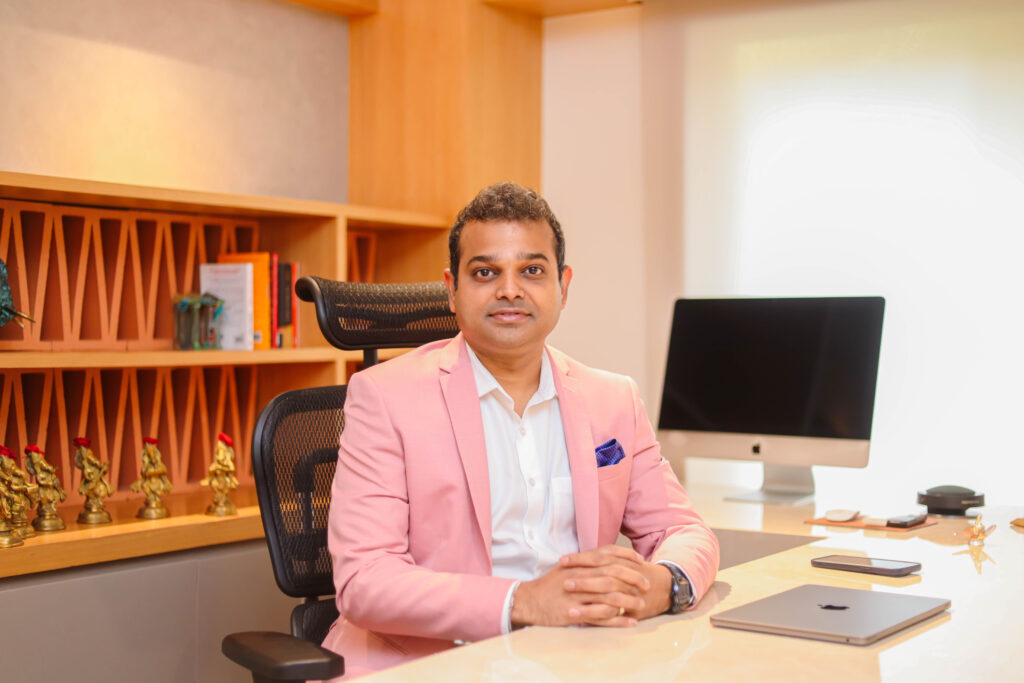
The author is a an entrepreneur and an IIT alumnus, Pavan Kumar is a true visionary with over 15 years of experience in entrepreneurship, management, and leadership. In 2014, he founded White Lotus Group, a leading name in the bespoke luxury real estate industry in India. Rooted in Bengaluru, the company has dedicated itself to reshaping the residential landscape of the city with a pioneering concept known as ‘personal sanctuaries.’






