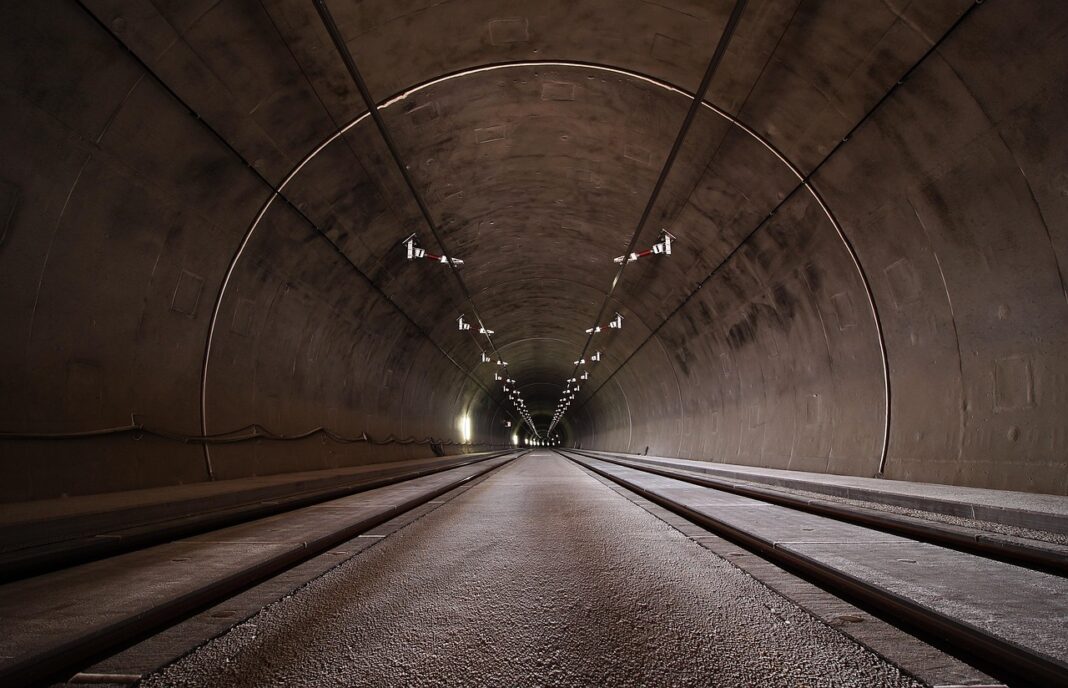
The Brihanmumbai Municipal Corporation (BMC) is set to begin tunnel boring for the 7.13 km Kasheli (Bhiwandi)-Mulund Octroi Naka water tunnel by September 2026, marking a major milestone in one of Mumbai’s key water infrastructure projects. The civic body has set October 2030 as the target for completing the project.
The tunnel, with a diameter of 4.5 metres, is part of BMC’s long-term plan to strengthen Mumbai’s water distribution network through underground infrastructure. The project aims to improve the reliability of water supply while reducing transmission losses and leakages.
Construction of the tunnel commenced in September 2024. Additional Municipal Commissioner (Projects) Abhijit Bangar recently reviewed the progress at the project site and directed officials to maintain construction quality, safety standards, and project schedules.
Preparations for deploying the Tunnel Boring Machine (TBM) are nearing completion. According to BMC officials, all major TBM components have arrived at the site along with a 14-km conveyor system, which will be used to transport excavated material during tunnel construction.
At the Kasheli end, excavation of the 128-metre-deep recovery shaft has reached a depth of 27 metres. Meanwhile, work at the Mulund end has progressed significantly. The 134-metre-deep launching shaft has been completed, while excavation of the assembly tunnel, tail tunnel, and tube tunnel has also been finished. Reinforced concrete lining work for the launching shaft is currently in progress.
Once completed, the tunnel will provide an additional underground corridor for transporting water from the Bhatsa water supply system, one of Mumbai’s primary drinking water sources. The underground alignment is expected to improve operational efficiency and support the city’s growing water demand.
Alongside the drinking water project, BMC is also expanding its treated wastewater reuse programme. As part of this initiative, tunnel boring for the 11.61 km Ghatkopar-Bhandup wastewater tunnel is expected to begin in January 2027. The wastewater tunnel will facilitate the movement of tertiary-treated water through dedicated underground conveyance corridors connecting sewage treatment plants.
The Kasheli-Mulund water tunnel forms an important component of Mumbai’s long-term infrastructure strategy to enhance water security, modernize distribution networks, and improve the resilience of the city’s water supply system for future demand.