Indian real estate has changed a lot in the last few years and so has the way people think about it. For a long time, developers built tall and dense buildings and buyers followed, moving from open courtyards to sealed apartments and from ground-floor homes to high-rise towers. That thinking is now shifting. Developers are building plots and spacious, low-density communities and buyers are asking for them. Today, few of the most wanted homes in India are not the tallest towers or the ones closest to office parks. They are the ones with the most trees.
This is now visible everywhere in the homebuilding business. And this is not a passing trend. It is a correction to how we built for years, and it is likely here to stay.
Cities gave up open space. Buyers want it back.
The World Health Organization recommends at least 9 square metres of green space for every city resident. Most Indian cities fall well short of this, and metros like Bengaluru, Mumbai and Delhi are among the most green-starved. We built fast, but we did not plan enough space to live well and the result is a concrete jungle.
And people feel this in daily life, as stress, poor sleep and a low-level tiredness that many city professionals now accept as normal. A home is not just about how it looks but also how it makes you feel. Over the last ten years, many health studies have linked time in green spaces to lower stress, better focus and faster mental recovery. Even small doses help. A walk under trees or a view of a forest patch from your window makes a difference. Studies also tie it to lower blood pressure and less anxiety. India’s cities are expected to house nearly 600 million people in the next decade. We should not see this as a luxury. It is a public health issue.
COVID-19 did not create the need for space and nature, but it showed us what it costs to live without them. When work, school and workouts all moved indoors, four walls had to do much more. A home became an office, a classroom, a gym and what not, sometimes all in one day. This is why buyers now want homes built around light, greenery, water and fresh air, an idea known as biophilic design, which has grown since 2020. India feels this pull even more, because of its climate and its old habit of courtyard living.
This shows up when people buy a home, too. In conversations with buyers over the last few years, greenery and open space have moved up the list. They now matter more than gym size or interior finishes. For many families, a second home on open land is the easiest way to get all of this. So buyers are looking beyond the city core as their second home, where space and greenery are emerging and better connectivity has made them easy to reach. Developers have also understood the demand and the farmland industry is in boom in Bangalore.
Building this, not just talking about it
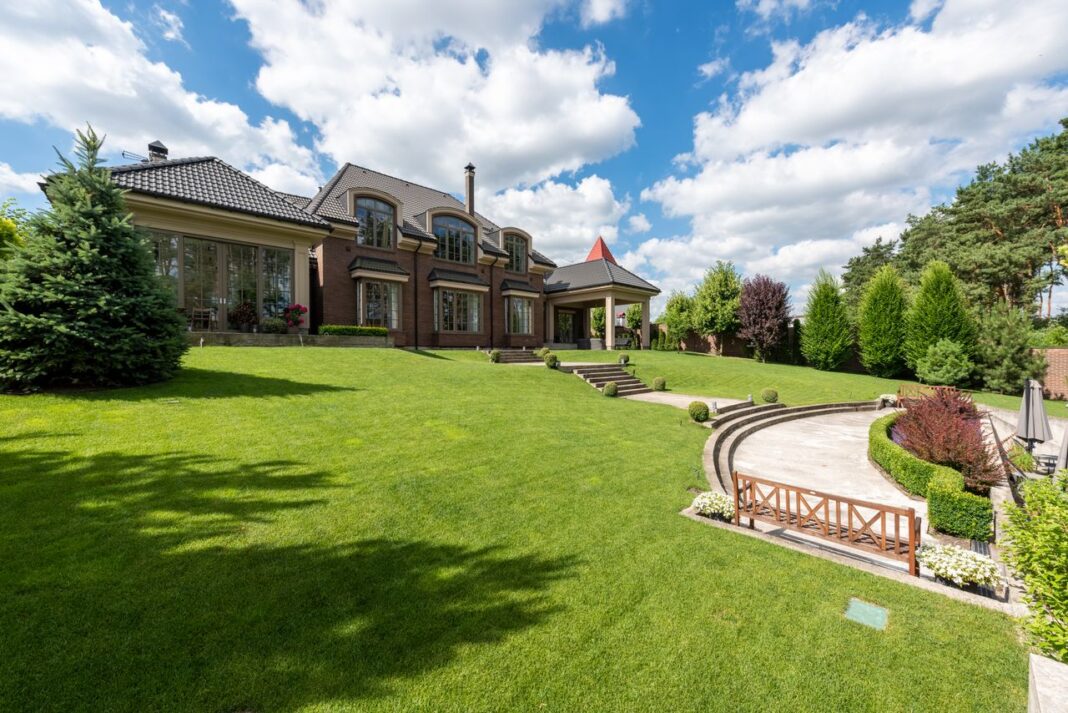
This thinking shaped Triguna Country Homes Foundation. When a farmplot community is planned at Triguna, the starting point has been connectivity and plantations. We adopted the Miyawaki technique, a way of planting native trees so densely that they grow up to ten times faster than a normal garden. This method gives homeowners real forest cover on a small piece of land, not just a few ornamental plants and it does not take away space from the homes themselves.
The comfort of a five-star boutique resort was added on top of this. Because no one should have to choose between comfort and nature. That is the idea buyers keep coming back to: an easy weekday or a wild weekend, without a two-hour drive to find either.
Demand for nature-filled homes and farmlands is expected to keep growing. The reason is simple: clean air, open green space and quiet are becoming harder to find in Indian cities. In a farmland community, greenery is not an extra feature. It is the land itself, and it is why people buy. The developers who will lead this space are the ones who protect that land, plant it well and keep looking after it long after the sale.
Authored By;