
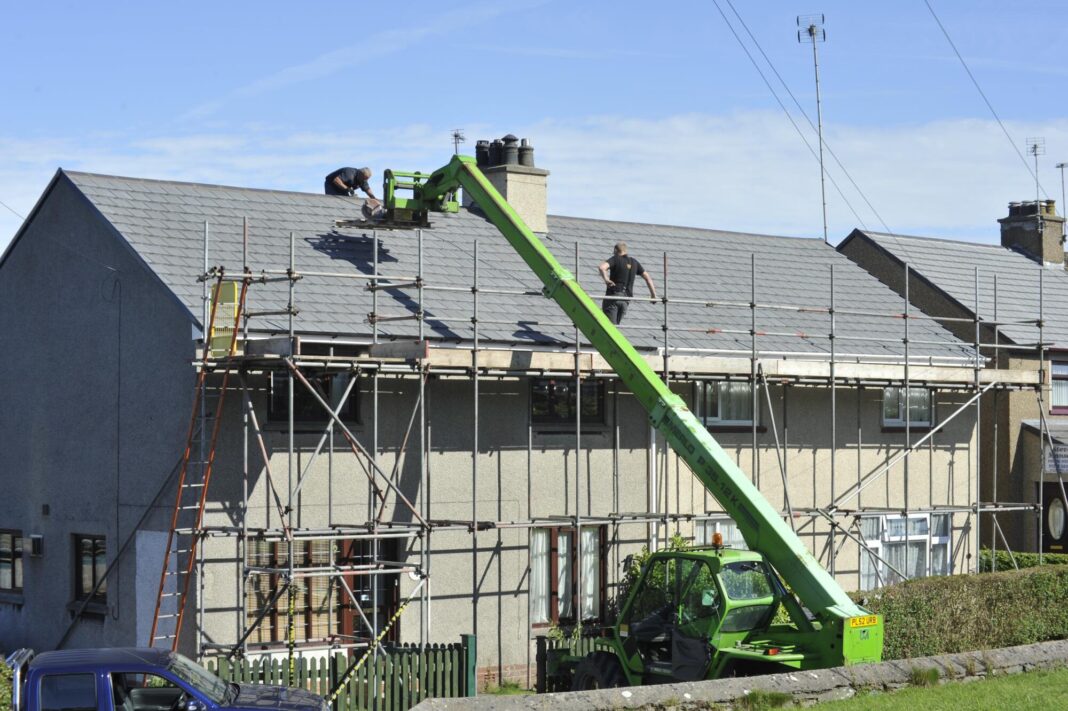
A roof does more than keep rain out. It also protects a building from heat, wind, and harsh weather. When conditions get tough, the right roofing system can make a big difference.
Not every roof works well in every climate. Some materials handle strong sunlight better, while others are made for heavy rain or snow. Knowing how roofing systems work can help property owners make smart choices.
Here are some ways roofs adapt to different needs and weather conditions. Read on!
How Do Roofs Handle Extreme Heat?
High temperatures can put a lot of stress on a roof. Strong sunlight may cause some materials to fade, crack, or wear out faster.
Cool roofing systems help reduce heat buildup. They use materials that reflect more sunlight and absorb less heat.
Light-colored roofs can also help keep buildings cooler. However, the results depend on the material, roof design, and local climate.
Why Is Water Protection So Important?
Rain can cause serious damage when water enters a building. Leaks may harm ceilings, walls, and insulation.
Roofing systems use layers of protection to keep water out. These may include waterproof barriers, flashing, and proper drainage.
Flat roofs need special care because water can collect on their surfaces. Drains must stay clear so rainwater can flow away.
Why Does Local Climate Matter?
A roofing system should match the weather conditions in its area. In hot, dry places, roofs face strong sunlight and large changes in temperature.
Homeowners can contact roofing contractors in Tucson to learn about roofing options suited to local conditions. A trained professional can check the roof and suggest suitable materials.
Local experience can also help with choosing proper insulation, ventilation, and roof coatings. The goal is to create a roof that protects the building without adding extra care or repair costs.
How Does Insulation Improve Roof Performance?
A good roof can also help control indoor temperatures. Insulation slows the movement of heat between the building and the outside air.
In hot weather, this can reduce the strain on cooling systems. During colder months, it helps keep warm air inside.
Proper ventilation is also important. It helps manage heat and moisture in roof spaces. Combining the right insulation with good ventilation can improve comfort and help lower energy use.
Why Are Regular Roof Inspections Necessary?
Even strong roofing systems need care. Sunlight, storms, and daily wear can cause small problems over time. Regular inspections can help find damage before it leads to leaks.
Property owners should look for warning signs such as:
- Missing or damaged shingles
- Cracks around roof edges
- Loose or damaged flashing
- Blocked gutters and drains
- Water stains on ceilings
Do not climb onto a roof without proper safety equipment and training. A professional can check hard-to-reach areas and recommend repairs.
Build a Roof That Lasts
A reliable roofing system must match the building and its local weather. Heat protection, proper drainage, strong materials, and insulation all help keep a property safe.
Regular maintenance can also extend a roof’s life and prevent costly damage. Choosing suitable materials and skilled installers is a smart investment.
Want more helpful home care tips? Explore our other blog posts for simple advice, useful ideas, and ways to protect your property!






