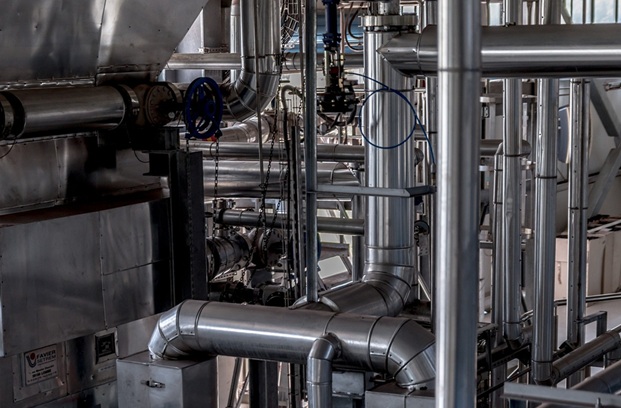
There are a lot of facilities that benefit from industrial boilers, including ships. Their primary purpose is to generate steam, and the primary ones are often generating the needed steam for the propulsion of the ship. Since these huge operations need heavy fuels, they need a boiler that can operate at a high capacity and an auxiliary one that’s used for electrical generation. See info about boilers
Other industries are also using them for food processing operations, and although they tend to run efficiently, there are times when they might suddenly stop functioning. This can result in unexpected shutdowns that can cause huge losses for a lot of companies.
The undesirable accumulation of hard crust-like mineral deposits inside the tubes of the boilers is called fouling. Over time, soot can accumulate along the surface, and when other sediments join the mix, they can build up over time, and they can cause the entire system to work harder to produce the needed output of a ship. Generally, the corrosive materials were cleaned using conventional methods, but now, there are innovations in mechanical tube cleaning that can offer a more precise alternative.
Understanding the Challenge of Tube Fouling
Generally, the boilers tend to operate in very harsh environments, and this is when the byproducts start to cling to the internal structure of the pipes. When this happens, there can be uneven heat distribution, and this can make the equipment, and this can elevate the risk of unplanned outages.
In the past, these cleanings were considered to be labor-intensive as technicians would need to insert the rods into the tubes one at a time. It’s very time-consuming, and it heavily depends on the skills of the operators. They worked to a degree, but they were known to pose some risks, and the results lacked consistency.
Nowadays, there are technological integrations that transformed the entire landscape, such as the addition of rotary tools. They were able to develop air-driven hose feeds that automatically return, so the cleaning surpasses the entire length of the tube. There’s minimal clearance space required when you use the best tools from https://putzmaus-america.com/ because the brushes are compact and the residues are pushed to the far end, so they can be vacuumed without a hitch.
Why Are Automated Solutions Now Rising?
These cleaning systems reduce manual handling for numerous industrial cleaning operations, and they make the job safer. They can enhance the productivity of the technicians, and they’re also cost-effective.
They come in metal storage cases, and they’re delivered in complete sets so companies can easily train their workers to get started. They can simply remove the wrapping and take care of pipes that are completely blocked. If the cleaner gets stuck inside the pipe, it can easily be dislodged through temperature-controlled air hoses that can carefully pull it out. There are thorough instructions from the manufacturers that many can follow, and this is going to reduce downtime for many jobs.
They Offer Precision Engineering
Aggressive chemicals are not often advised to be used in industrial pipes, even if they can quickly remove grime. They can be risky because they can damage the walls of the tube, especially if they’re used frequently. Nowadays, the cleaning tools can remove the deposits without affecting the structural integrity of the entire system.
The advanced brushes are made from soft materials that are going to be gentle on various surfaces. Some have interchangeable tools that can be tailored to various boiler configurations and prevent overexertion, so the pipes won’t have micro-scratches.
Improvements in Cleaner Accessibility
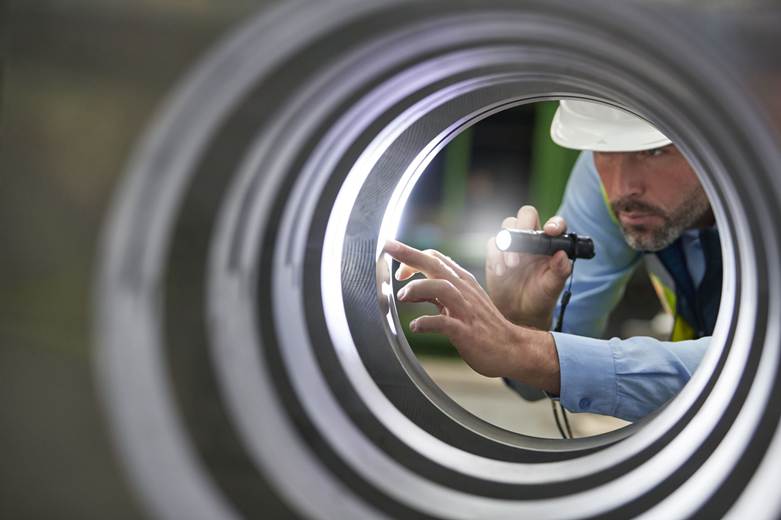
The designs of industrial boilers can widely vary, whereas others may have to deal with tight openings in order to complete the maintenance. Nowadays, the newer technologies are prioritizing modular construction so the tools can easily be maneuvered through a lot of confined spaces.
With their compact designs, these lightweight components can also be transported across ships. The flexible shafts can bend along the long tubes with little to no resistance, and the crews can expand their cleaning goals afterwards. There are a lot of manufacturers that are offering these specialized tools, and their solutions are engineered to handle a lot of situations.
They’re also easier to maintain for further use because one can only put a few drops of oil on the compressed connection to prevent the surface from corrosion. There are also warranties included in the purchase, and they can be checked at least once a year in order to make sure that they’re still working fine.
Some companies are now able to keep up with the cleaning needs of many companies, where they develop sensors to detect early signs of inefficiency. The mechanical innovations, like being able to monitor the temperature of the cleaning agents, are integrated into these tools seamlessly so they can work well with other options. Some are logged over time, so the operators are going to see the patterns where the deposits are forming. They can also determine which fuel types develop the most sediments, so they can make adjustments accordingly.
Enhance Worker Safety
Since cleaning a boiler can mean being exposed to a lot of risks because they’re located in confined spaces along with higher temperatures, these new systems are perfect in order to protect the workers while they do their daily jobs. They can significantly decrease the need to handle exposure to harmful substances, and they can minimize direct contact with the rotating tools. This results in cleaner boiler tubes and a more consistent process.