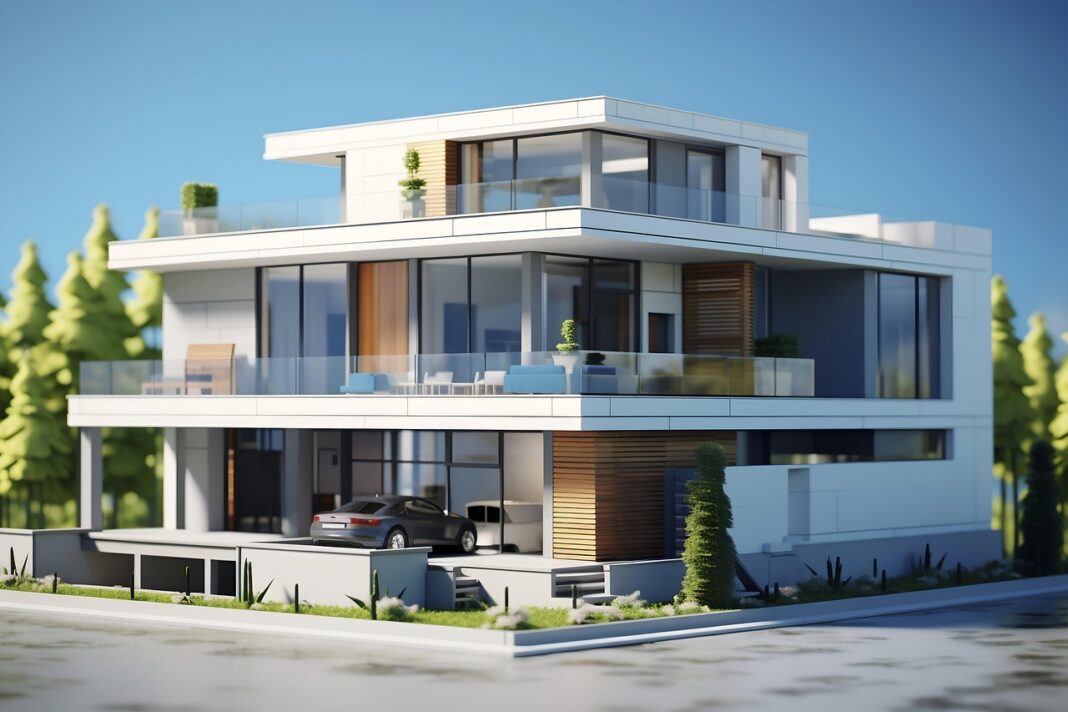
The Modern Home is Being Redefined
The definition of a modern home has evolved significantly. While aesthetics continue to influence design choices, today’s homeowners increasingly expect spaces that seamlessly combine design, engineering, technology and sustainability to deliver intuitive, connected and future-ready living experiences. This evolution reflects a broader shift in consumer expectations, where every element- from architectural planning to electrical infrastructure – is expected to contribute to a cohesive and enriching living experience.
The market reflects this evolution. According to Knight Frank India, homes priced above ₹1 crore accounted for more than half of residential sales by value in 2024, highlighting the growing demand for premium homes where design quality, craftsmanship, functionality and long-term value influence purchasing decisions.
Design is No Longer Just About Aesthetics
Design today extends far beyond aesthetics. It encompasses ergonomics, functionality, durability, ease of installation and the quality of user interaction. Every detail, from material selection to tactile feedback, contributes to creating spaces that are intuitive, enduring and visually cohesive.
This shift has also redefined the role of electrical infrastructure. Switches, sockets and controls are no longer viewed as purely functional components. Instead, they are increasingly regarded as integral elements of interior architecture, expected to complement the overall design language while delivering intuitive performance.
Engineering Intelligence into Everyday Living
As homes become increasingly connected, engineering is enabling environments that are more responsive, intuitive and energy efficient. The objective is no longer to make technology visible, but to integrate it seamlessly into everyday living.
This evolution is encouraging greater collaboration between architects, interior designers, engineers and technology specialists from the earliest stages of project planning. When technology is embedded into the design process rather than introduced as a later addition, homes can deliver intelligent functionality while preserving architectural integrity and design intent.
Sustainability is Becoming a Design Principle
Sustainability has become an integral design principle, influencing decisions across material selection, manufacturing processes, packaging and product longevity. Responsible engineering and thoughtful design now work together to reduce environmental impact without compromising performance, quality or aesthetics.
India’s green building momentum reflects this shift. According to the Indian Green Building Council (IGBC), the country has more than 13 billion square feet of registered green building footprint, making it one of the world’s largest green building markets. As environmental awareness continues to grow, homeowners increasingly seek solutions that balance sustainability, durability and design excellence.
Building Homes That Stand the Test of Time
The future of residential design lies in achieving the right balance between engineering intelligence, design excellence and environmental responsibility. As expectations continue to evolve, homes will be defined not only by how they look, but by how seamlessly every element works together to enrich everyday living.
Authored By;