
Introduction
Many homeowners only think about pest control after they notice visible signs of an infestation. Unfortunately, by the time pests are discovered, they may have already caused serious structural damage, contamination, or health concerns. Investing in preventive pest management is one of the most effective ways to avoid costly repairs and long-term property damage.
Working with professionals such as Pest Control Columbus allows homeowners to identify early warning signs and stop infestations before they become major problems. Preventive services focus on long-term protection rather than temporary solutions, helping homeowners save money and maintain a safer living environment throughout the year.
Small Pest Problems Can Quickly Become Expensive
One of the biggest misconceptions homeowners have is believing a few insects or rodents are harmless. In reality, many pests reproduce rapidly and remain hidden until the infestation becomes severe.
Rodents can chew through electrical wiring, increasing the risk of electrical fires and expensive repairs. Termites and carpenter ants silently damage wooden structures, weakening floors, walls, and support beams over time. Cockroaches and rodents can also contaminate food storage areas and spread bacteria throughout the home.
What initially appears to be a small issue can eventually require thousands of dollars in repairs if left untreated.
Preventive Pest Control Identifies Problems Early
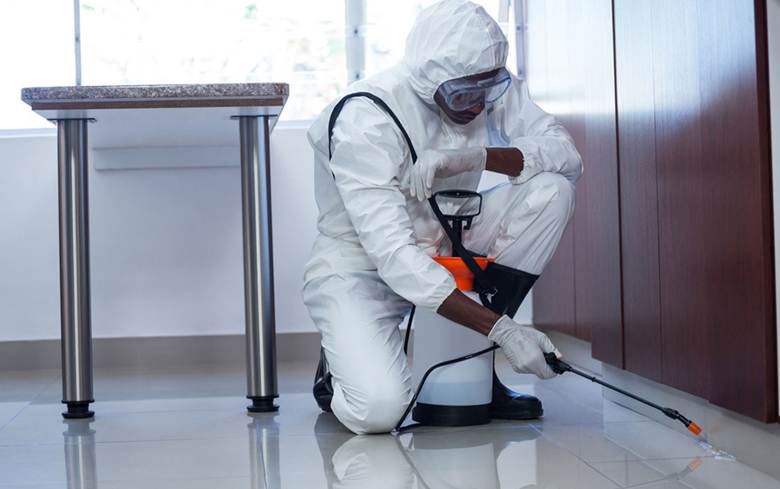
Preventive pest control focuses on identifying risks before infestations spread. During inspections, pest control professionals look for signs such as:
- small entry points around doors and windows
- moisture buildup and leaks
- nesting activity in hidden spaces
- damaged wood or insulation
- droppings or food contamination
Early detection allows homeowners to address issues immediately instead of waiting for visible damage to occur.
This proactive approach significantly reduces the likelihood of large-scale infestations that require expensive treatments or structural repairs.
Structural Damage Is Often Hidden
Many pests operate out of sight, which makes infestations particularly dangerous. Termites, carpenter ants, and rodents often live inside walls, attics, basements, and crawl spaces.
Because the damage happens gradually, homeowners may not realise there is a problem until repairs become extensive. In some cases, weakened wooden structures or damaged insulation may require full replacement.
Preventive inspections help identify these hidden threats before they compromise the safety and integrity of the property.
Preventive Services Improve Health and Safety
Pest infestations are not only damaging to homes but can also affect health and hygiene. Rodents and cockroaches carry bacteria and allergens that may trigger respiratory issues or contaminate food preparation areas.
Raleigh, North Carolina, has a mix of older and newer homes that require ongoing pest prevention. Choosing the best pest control in Raleigh, NC, helps homeowners manage infestations before they become serious health and property concerns.
Mosquitoes, fleas, and ticks can also introduce additional health risks to households and pets.
Regular pest management reduces exposure to these hazards and creates a cleaner, healthier indoor environment for families.
Long-Term Pest Prevention Is More Cost-Effective
Many homeowners attempt temporary DIY solutions when pests appear. While these methods may provide short-term relief, they rarely address the root cause of the infestation.
Preventive pest control focuses on:
- sealing entry points
- reducing attractants
- monitoring pest activity
- applying targeted treatments when necessary
This long-term strategy helps prevent recurring infestations and minimises the need for emergency pest treatments.
Over time, preventive care is often far more affordable than repairing structural damage or handling severe infestations.
Conclusion
Preventive pest control is an investment in the long-term protection of your home. Early inspections and regular maintenance can prevent structural damage, reduce health risks, and eliminate costly infestations before they escalate.
Rather than waiting for visible signs of pests, homeowners benefit most from proactive pest management that keeps their property protected year-round.






