
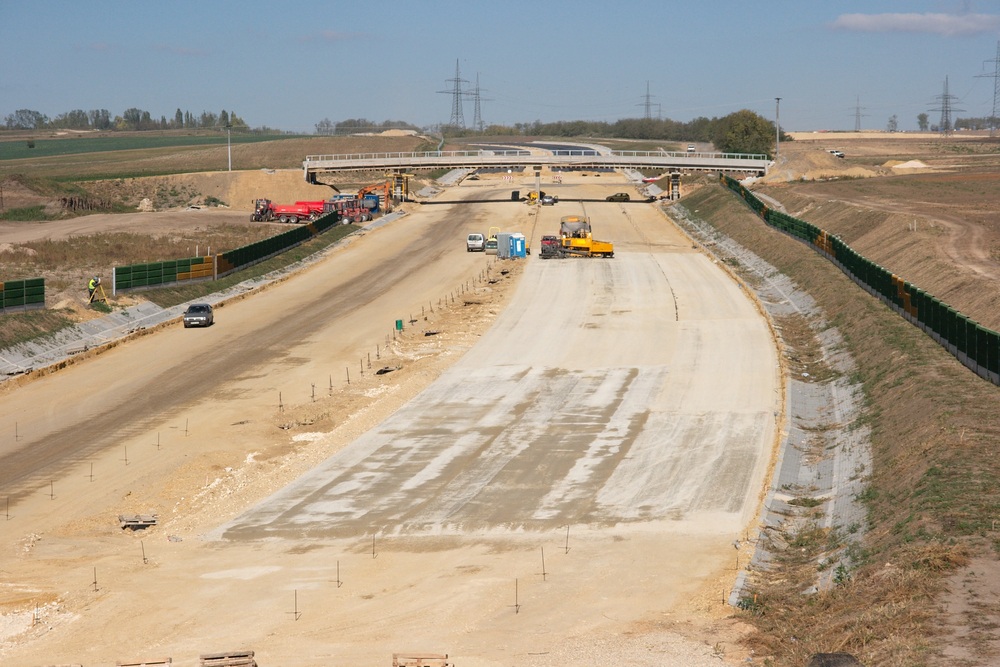
Access-controlled highways are designed to support high-speed traffic movement by restricting entry and exit to designated interchanges. Unlike conventional highways, these roads use grade-separated intersections, controlled access points, service roads and dedicated traffic management systems.
In India, access-controlled highways are an important part of expressway development and high-capacity transport networks. Their construction involves several stages, including route planning, land preparation, earthwork, pavement construction, bridge building, drainage installation and road safety management.
1. Planning and Design of Access-Controlled Highways
The first stage involves identifying the transport corridor, assessing traffic demand and establishing the engineering requirements. Engineers evaluate existing road networks, population centres, industrial areas and logistics hubs to determine a suitable alignment.






