
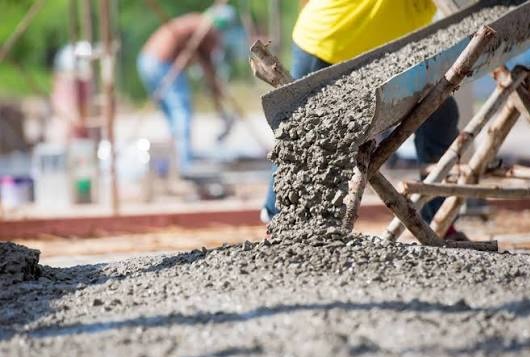
The concrete truck is a poor place to begin a discussion about drainage. By then, the forms should be checked, the reinforcement positioned and the crew ready to place the material.
Yet disagreements often emerge at precisely that moment. The owner expected a different edge detail. The contractor discovers that the truck cannot reach the site. Nobody has confirmed who will protect the slab overnight.
A useful pre-pour discussion settles those questions while changes are still manageable. For a driveway, patio or commercial slab, the objective is the same: turn the quotation and drawings into a shared understanding of what will be built and who is responsible for each stage.
Define the Finished Project Before Comparing Prices
“Supply and install concrete” leaves too much open to interpretation.
The scope should identify the dimensions, intended use and construction details. A pedestrian walkway has different demands from a driveway regularly used by heavier vehicles.
Specify what happens around the concrete as well. Does the price include demolition, excavation, disposal and reinstatement of disturbed landscaping? Who removes an old fence panel to provide access?
Discuss foreseeable extras before accepting the quotation. Poor ground discovered during excavation may require additional work, but the contract can establish how that work will be assessed, priced and authorised.
For decorative concrete, include borders and steps in the scope rather than assuming they form part of the selected finish. Two quotations are only comparable when they describe substantially the same job.
Agree on Levels and Where Water Will Go
A slab can look neatly finished and still create problems if its elevations are wrong.
Before placement, confirm the finished height against nearby doors, garage floors and adjoining paving. Identify the direction of drainage and the point where runoff will leave the area.
The discussion should extend beyond the slab’s edge. Water directed off a patio still needs somewhere appropriate to go. It should not collect beside the foundation or obstruct an existing drainage route.
In Calgary, lot drainage and work affecting the public right-of-way require particular attention. A private driveway and its crossing over City land are different parts of the project; crossing work can involve separate City arrangements.
Review the proposed levels before the pour. If the design cannot accommodate competing requirements, resolve that conflict while the forms can still be adjusted.
Establish What Counts as Acceptable Ground Preparation
The support beneath the slab deserves a written scope of its own.
Confirm the excavation depth, specified base material and compaction requirements. Identify who checks the prepared surface and what happens if excavation reveals unsuitable fill or soft areas.
A thicker slab should not be offered as an automatic answer to ground that needs proper assessment.
If part of the old structure is being torn out, ask whether anything left behind could get in the way of the new construction.Utility locations and any required private service locating should also be addressed before excavation.
When comparing experienced concrete contractors in Calgary, ask how they handle unexpected ground conditions. A clear explanation of the process is more useful than an assurance that every site is straightforward.
The owner does not need to supervise compaction. They do need to understand what preparation the contract includes and how departures will be documented.
Record the Slab Design and Concrete Requirements
Avoid reducing the specification to a strength number.
The concrete mixture must suit the intended service and exposure. Exterior concrete exposed to freezing, thawing and de-icing chemicals needs appropriate durability provisions, not merely an appealing finish.
The documents should also establish slab thickness and any specified thickened edges. Where reinforcement is required, record its type, arrangement and support so its intended position is maintained during placement.
Do not assume that fibres and reinforcing steel are interchangeable. Their roles depend on the design, and substitutions need approval from whoever is responsible for it.
For structural or unusually loaded work, obtain the necessary design input before ordering concrete.
Any permitted adjustments at delivery should follow the specification and supplier’s procedures. Adding excessive water to make concrete easier to place can compromise its performance.
Draw the Joints Before Discussing a Crack-Free Surface
Concrete changes volume as it sets, dries and responds to temperature. Joints help manage the resulting movement.
Contraction joints encourage cracking at planned locations. Isolation joints separate the slab from adjoining elements where independent movement is needed. Construction joints occur where separate placements meet.
Their locations should be coordinated with the slab geometry and design before work starts.
This matters visually as well as technically. A saw cut through the centre of a decorative feature may disappoint an owner who never saw the joint layout.
Confirm who performs the jointing and how it fits into the placement schedule. It should not depend on someone becoming available whenever convenient.
A responsible agreement describes the crack-control measures and the process for assessing defects. It should not promise that concrete will never crack.
Approve the Finish With Something More Specific Than a Photograph
Words such as “smooth,” “textured” and “light broom” mean different things to different people.
Use an agreed sample, mock-up or completed reference where practical. Record the finish and discuss its suitability for the surface’s use.
An exterior entrance needs consideration of wet conditions and winter maintenance. A decorative finish should be selected with those demands in mind.
For coloured or stamped concrete, clarify the pattern, border treatment and expectations for natural variation. A photograph viewed on a phone is a limited colour reference.
Discuss sealing separately from finishing and curing. Establish whether a sealer is included, which product is proposed and when it will be applied.
If flooring or coatings will follow, confirm compatibility with any curing compound or surface treatment before it is used.
Make Delivery and Weather Decisions in Advance
Walk the delivery route before scheduling the trucks.
Confirm vehicle access, overhead obstructions and the proposed position of any pump. Identify surfaces that need protection and agree on a suitable washout arrangement.
The delivery rate should match the crew’s placement capacity. Larger projects may also require coordination with testing personnel and inspectors.
Name the person authorised to delay or cancel the pour, and establish when that decision must be made.
Weather planning should cover more than rainfall. Cold conditions can slow strength development and require protection against freezing. Wind and dry air can accelerate moisture loss from fresh concrete.
Agree on the necessary protection, its cost and who maintains it. A suitable morning forecast does not remove the need to consider overnight conditions.
Assign Curing and Access Restrictions Before the Crew Leaves
Curing maintains suitable moisture and temperature conditions while concrete develops its properties. It is part of construction, not an optional housekeeping task.
The method, duration and responsible party should be established beforehand. If the owner has duties after placement, provide clear written instructions rather than a hurried explanation at departure.
Also distinguish curing from permission to use the surface. Walking, parking and heavier loading can require different release decisions.
Keep other trades informed. A delivery driver or landscaper can damage new concrete if access restrictions are unclear.
When handing over the finished work, explain what needs looking after, what the warranty covers and who the homeowner should call if something goes wrong.Document the completed work and any items still outstanding.
The pour should begin with those arrangements already understood. That leaves the crew free to concentrate on placement and gives the owner a clear basis for evaluating the finished project.
FAQs About Concrete Project Planning
What should a concrete quotation include?
Look for dimensions, preparation, slab construction and finish, alongside removal and disposal work. Curing, sealing and reinstatement should be identified where applicable. Check what the quote leaves out, too. You should know how much extra work might cost if the crew uncovers a problem or you decide to change something halfway through.
Does reinforcing steel stop concrete from cracking?
Steel can help control crack widths and serve structural purposes where designed to do so. It does not guarantee a crack-free slab. Ground support, joint layout, mixture selection and curing still matter. Ask what the specified reinforcement is intended to achieve.
Can the pour go ahead if rain is forecast?
The contractor needs to assess timing, conditions and available protection. Rain during placement or finishing can affect the surface, but every forecast does not produce the same decision. Agree beforehand who makes the call and what postponement costs may apply.
When can I park on a new driveway?
Use the contractor’s project-specific release instructions. Strength development depends on the mixture and curing conditions, including temperature. A surface that feels hard is not enough evidence that it can carry vehicles. Confirm restrictions before arranging deliveries or parking.
Who should arrange concrete testing?
Where testing is required, assign it before the pour. The agreement should identify the testing agency, required checks, reporting arrangements and payment responsibility. Also establish who responds to an unexpected result so decisions are handled through the proper project contacts.
Is sealing the same as curing?
They serve different purposes, although some products have combined functions. Concrete needs time and the right conditions to gain strength after it’s poured. Sealing serves a different purpose, helping protect the surface later on. Before either step, check which product will be used, when it should be applied and whether it will work with the finish planned for the concrete.






