
Fixing underground utility lines often costs a small fortune. Old crews tore up roads and large parking lots. This messy method took many long weeks to finish.
It forced companies to spend heavily on ground repairs. Today, trenchless technology changes everything. Crews pull strong plastic pipes underground without large trenches, saving time, physical effort, and money.
By choosing highly durable materials, you reduce costs. Proper planning keeps project budgets under tight financial control. You no longer ruin city streets for water lines.
Modern construction focuses completely on working much smarter every day. Trenchless methods help contractors finish utility jobs extremely fast.
Continue reading to discover everything you need to know!
The High Price Of Traditional Digging
Before trenchless methods existed, open-cut digging ruled the construction world. Contractors used heavy machines to carve deep, wide lines. This process blocked traffic and severely disrupted local businesses.
Open trenches created safety hazards for workers. Companies paid high fees for complex traffic control systems. Digging deep trenches required massive amounts of diesel fuel.
Labor costs climbed as crews spent weeks moving dirt. Rain and bad weather often delayed these projects. Every weather delay added more expenses to the final bill.
Traditional digging just does not make financial sense anymore. Modern contractors need better, faster solutions to stay competitive. Skipping open trenches provides the perfect answer to these financial problems.
Moving To Modern Trenchless Solutions
Trenchless installation removes the need for long, destructive ditches. Workers only dig two entry holes for entire projects. They make one hole to insert the new pipe.
A special machine carves a narrow path below ground. The crew pulls the fresh pipe through this hidden tunnel. This fast, hidden process protects the surface above.
Traffic keeps moving, and nearby businesses stay open. Because the crew moves less dirt, projects finish quickly. Shorter project times mean lower hourly wages for workers.
Less time spent on site reduces machinery rental costs. Trenchless technology provides a clear path to major savings. Contractors using this method win more profitable project bids.
The Role Of ASTM-Compliant Materials
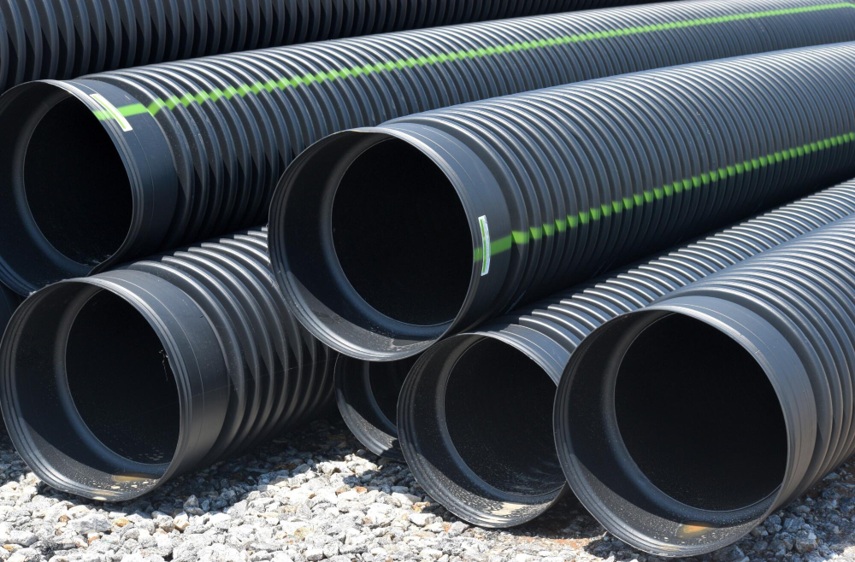
The success of a project heavily depends on materials. Contractors must select strong products to handle underground pressure. This is exactly where ASTM-compliant HDPE piping enters the picture.
The American Society for Testing and Materials creates strict rules. These rules ensure every pipe meets high safety standards. When you use certified materials, you avoid costly failures.
Low-quality pipes can crack during the intense pulling process. A broken line ruins projects and doubles total costs. Certified materials bend easily and resist heavy physical impacts.
They survive harsh conditions hidden deep underground every day. Investing in high-quality products protects your total profit margin.
Key Advantages Of This Setup
Here are the main benefits:
- Melted pipe joints stop leaks.
- Flexible routing avoids hidden obstacles.
- Minimal surface restoration saves money.
- Fast installation cuts labor time.
Stopping Leaks With Heat-Fused Joints
Water leaks waste natural resources and destroy project budgets. Traditional pipes use mechanical fittings and weak rubber seals. Over time, ground movements break these fragile internal seals.
When a seal breaks, water escapes and causes damage. Finding and fixing a hidden underground leak costs serious money. Modern plastic piping solves this massive financial problem completely.
Workers use special heating tools to melt pipe ends. They press the melted ends into one solid, continuous piece. The heat-fused joints become just as solid as pipes, and this process leaves zero weak spots for water escape.
A leak-free underground system eliminates future repair bills. Cities save millions of dollars in water loss and maintenance.
Flexible Routing Avoids Costly Obstacles
The earth beneath our feet hides many tricky obstacles. Contractors often run into large rocks and tree roots. Cities also bury gas lines and power cables underground.
Hitting an existing power line causes dangerous, expensive accidents. Traditional rigid pipes cannot bend around these hidden roadblocks. If a crew hits a rock, they stop working.
They must dig new paths, wasting valuable labor time. Modern flexible lines solve this complex issue with ease. The pipe bends naturally to weave around buried hazards.
Operators steer the spinning drill bit left or right. Flexible routing allows crews to miss expensive roadblocks entirely. This flexibility keeps projects moving forward without costly stops.
Saving Big On Minimal Surface Restoration
Digging a massive open trench destroys everything in its path. Crews rip up expensive asphalt and beautiful green landscaping. When the pipe work finishes, the real spending begins.
The contractor must buy fresh asphalt for broken streets. They must hire cement crews to pour new sidewalks. Homeowners expect companies to plant grass and replace trees.
These restoration steps cost more than actual pipe installation. Trenchless methods eliminate these massive surface repair bills. Because workers dig two small pits, surfaces stay untouched.
You do not need to hire paving companies or landscape experts. Minimal surface restoration keeps thousands of dollars in your pockets.
Environmental Benefits Save Extra Costs
Trenchless construction inherently protects the surrounding natural environment easily every single day. Open trenches release large amounts of harmful trapped soil dust. This dust pollutes the air and bothers residents.
Traditional machines also produce heavy exhaust fumes all day. Using fewer machines means burning significantly less diesel fuel. Contractors can easily lower their carbon footprint during every project.
Many local governments offer financial rewards for green construction. You can win valuable tax credits for protecting nature. Saving the environment directly helps your company save money.
Clients respect companies that care about the local community. This modern approach wins praise from tough city inspectors.
Long-Term Value And Reliability
Cutting costs during the initial installation always matters greatly. However, long-term savings provide even more municipal financial value. Metal pipes rust, corrode, and break down over decades.
Hard water and harsh soil chemicals eat traditional materials. When metal lines fail, cities must dig them up. High-quality plastic materials never rust or corrode underground.
They resist chemical damage and remain incredibly tough forever. A new trenchless system can easily last one century. This long lifespan means you avoid constant replacement jobs.
Keep Your Money Underground Where It Belongs
Smart contractors know that skipping the open trench always builds much better long-term profits. Strong plastic materials and perfectly seamless joints make your daily utility work significantly cheaper.
You completely protect local streets while lowering your total hourly labor expenses. Modern systems create reliable networks that serve communities for many decades. Choosing the right installation method today guarantees long-lasting financial success.
If you’d like to learn more, check out more articles on our blog.






