
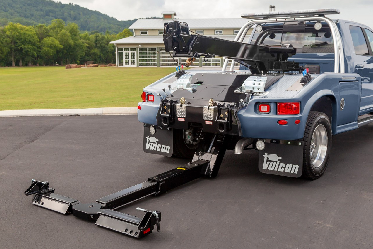
When a tow truck goes down, the clock starts ticking. Every day it sits in the shop is a day without revenue, and every call you turn away sends business to a competitor. That pressure often pushes operators to order whatever part arrives fastest, but a rushed decision can cost more in the long run. Choosing the right tow truck parts and accessories takes a bit of planning, and the payoff is a truck that stays on the road longer, works more safely, and costs less to keep running.
This guide walks through the decisions that matter most: understanding part types, checking compatibility, weighing warranties, and thinking about total cost. Whether you run a single truck or manage a fleet, these principles apply.
Start With the Right Information
Before you shop, gather the details that identify your truck and its components. Guessing at a part number is one of the most common causes of wasted money and delayed repairs.
Write down the following for each truck:
- The year, make, and model, along with the chassis and body manufacturer if the truck was upfitted
- The VIN, which often reveals engine, transmission, and axle configurations
- The gross vehicle weight rating (GVWR) and any towing capacity specifications
- The model and serial number of the winch, boom, or underlift, since these are often made by a different company than the truck itself
- The part number stamped on or listed for the component you are replacing, if you can locate it
Keeping this information in a single file or spreadsheet saves time the next time something breaks. It also helps when you call a supplier, because they can match the right part faster.
Understand the Three Main Types of Parts
Replacement parts generally fall into three categories, and each one suits different situations.
Original equipment manufacturer (OEM) parts are made by the company that built the component or the truck. They match the original specifications closely, which makes fit and performance predictable. The trade-off is usually price, since OEM parts often cost more and may have longer lead times, especially for older equipment.
Aftermarket parts are made by independent companies. The quality range is wide. Some aftermarket components meet or exceed OEM standards, while others are built to a lower price point and may wear out sooner. Reputable manufacturers publish specifications and test results, so it pays to look for those details rather than relying on price alone.
Remanufactured or rebuilt parts are used components that have been disassembled, inspected, cleaned, and restored with new wear items such as seals, bearings, and gaskets. A rebuilt hydraulic pump or winch motor can be a cost-effective choice, particularly for older trucks where new parts are hard to find. The quality depends heavily on the rebuilder, so ask what was replaced, what was tested, and what warranty is offered.
No single category is best in every case. A critical safety component like a wire rope or a load-holding valve may warrant OEM or a well-documented aftermarket equivalent, while a non-critical cosmetic item might be fine with a budget option.
Check Compatibility Carefully
A part that looks identical can still fail to fit or perform correctly. Small differences in mounting hole spacing, hydraulic port size, electrical connector pinout, or thread pitch can turn a quick swap into a lengthy problem.
Before you order, compare the part number against the manufacturer’s application chart or cross-reference guide. Pay attention to notes like “for units produced after” a certain serial number, because design changes happen mid-production. If you are unsure, send the supplier a photo of the existing part, the nameplate, and any markings. Good suppliers will ask these questions themselves.
For hydraulic components, confirm operating pressure, flow rate, and fluid compatibility. A pump rated for a lower pressure than your system may fail prematurely. For electrical parts, check voltage and amperage requirements, especially on trucks with added lighting or controls.
Look at Capacity and Load Ratings
Safety depends on load ratings. Wire rope, hooks, chains, slings, and winch components all carry working load limits, and these numbers should meet or exceed what your equipment will actually handle. Replacing a component with one rated for less than the original is a serious mistake, even if the part looks the same.
Be honest about how you use the truck. A heavy-duty recovery operation on steep grades puts far more stress on drivetrain and winch parts than occasional light-duty calls. Choose parts rated for your real workload, not the one you hope to have.
Compare Warranties Beyond the Price Tag
Warranty terms reveal a lot about how confident a manufacturer is in its product. Look at the length of coverage, but also at what it actually covers. Some warranties cover only the part itself and not the labor to replace it. Others exclude damage caused by improper installation, contamination, or use beyond the rated capacity.
Ask these questions before you buy:
- Does the warranty cover labor, or only the part?
- How do I file a claim, and how long does that usually take?
- Is there a local distributor or service center, or do I have to ship the part back?
- Does the warranty transfer if I sell the truck?
A slightly more expensive part with a clear, responsive warranty often costs less over time than a cheap part that leaves you waiting weeks for a replacement.
Think in Terms of Total Cost of Ownership
The sticker price is only one part of the equation. Total cost of ownership includes the purchase price, installation labor, downtime while the truck is out of service, expected service life, and the cost of any follow-up repairs if the part fails early.
Consider a simple example. Suppose an aftermarket hydraulic hose costs less than the OEM version but fails after six months, while the OEM hose lasts three years. Once you account for two extra replacements, shop time, and lost jobs, the cheaper option may be the more expensive choice. Of course, the reverse can also be true, so run the numbers for your specific situation.
Downtime deserves special attention. For a working tow operator, a truck that sits idle can cost hundreds or thousands of dollars in missed calls each day. Sometimes paying more for a part that is in stock locally is the smarter move.
Consider the Age and Condition of the Truck
A decision that makes sense on a three-year-old truck may not make sense on a fifteen-year-old one. Before replacing a major component on an older vehicle, look at the overall condition. If the frame, cab, or engine is showing significant wear, investing heavily in one part may not pay off.
On the other hand, a well-maintained older truck with a solid frame can remain productive for many years if you keep its key systems current. Rebuilt or refurbished components often make the most financial sense in these cases.
Buy From Suppliers Who Know Towing
General auto parts stores are useful for basic maintenance items, but specialized towing equipment often requires a supplier who understands recovery work. Knowledgeable suppliers can help you match components to your equipment, explain load ratings, and suggest alternatives when a specific part is backordered.
When evaluating a supplier, consider their inventory depth, technical support, return policy, and shipping times. A supplier who answers questions patiently and checks fitment before you order is worth more than one who simply processes the cheapest quote.
Keep Records of Every Replacement
Once you have chosen and installed a part, record the details. Note the date, mileage or hours, part number, supplier, warranty information, and who performed the installation. These records help you spot patterns, such as a component that keeps failing on the same truck, and they make warranty claims far easier to process.
Over time, this history becomes one of your most useful management tools. It supports better purchasing decisions, more accurate maintenance schedules, and clearer budgeting for future repairs.
Final Thoughts
Choosing replacement parts for a tow truck is about more than finding the lowest price. The right decision balances part type, compatibility, load rating, warranty, total cost, and how the truck is used. Take the time to gather accurate information, compare your options honestly, and work with suppliers who understand recovery equipment. A well-chosen part keeps your truck working, your crew safe, and your business moving.






