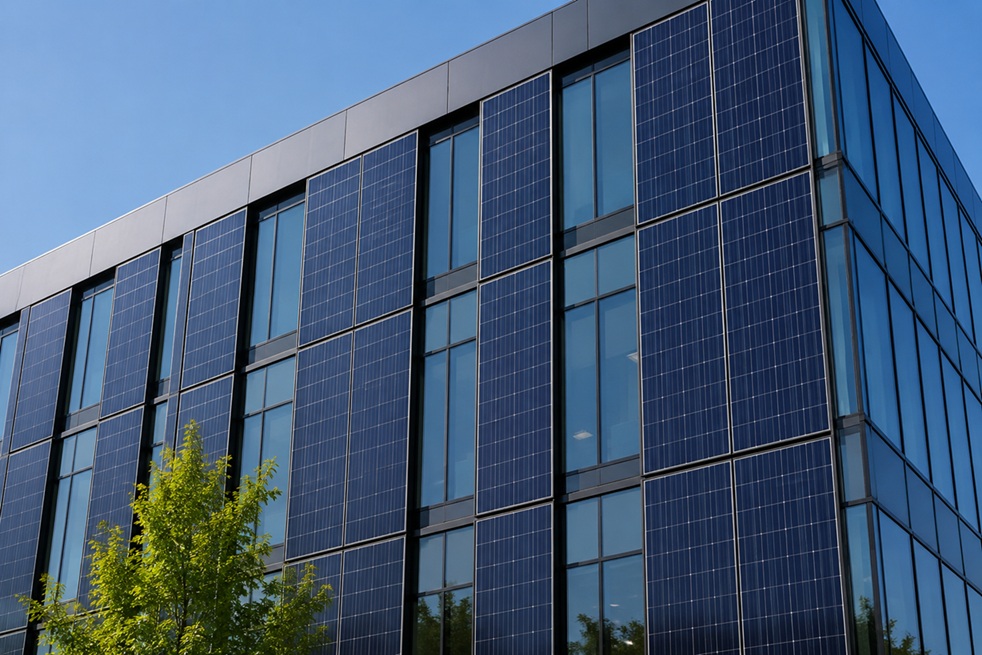
The building façade has traditionally served as a protective envelope, shielding occupants from weather while contributing to the architectural identity of a structure. Today, façades are evolving beyond their conventional role to become active contributors to a building’s energy performance. One of the most significant advancements driving this transformation is Building-Integrated Photovoltaics (BIPV).
BIPV combines architectural materials with solar photovoltaic technology, enabling the building envelope to generate electricity while performing its primary functions of protection, insulation, weather resistance, and aesthetics. As governments, developers, and building owners strive to reduce carbon emissions and improve energy efficiency, BIPV has emerged as an important solution for sustainable construction.
What is Building-Integrated Photovoltaics (BIPV)?
Building-Integrated Photovoltaics (BIPV) refers to photovoltaic materials that are integrated directly into the building envelope rather than installed as separate solar panels. Unlike conventional rooftop photovoltaic systems mounted on support structures, BIPV products replace conventional construction materials such as façade panels, curtain walls, glazing systems, skylights, canopies, and shading devices.
The photovoltaic elements become part of the building itself, serving multiple functions simultaneously:
- Electricity generation
- Weather protection
- Thermal insulation
- Daylight management
- Architectural aesthetics
- Noise reduction in some applications
This multifunctional approach enables buildings to utilize large vertical surfaces for renewable energy generation without requiring additional land or rooftop space.
Why BIPV is Gaining Importance
Urban buildings consume significant amounts of energy while offering extensive façade areas exposed to sunlight. In high-rise buildings, the roof area available for conventional solar panels is often insufficient to meet energy demands. However, the vertical façade provides thousands of square metres of usable surface.
BIPV addresses this challenge by converting the building envelope into an energy-producing asset. It supports:
- Reduced electricity consumption from the grid
- Lower operational costs
- Improved building sustainability
- Compliance with green building certifications
- Reduced carbon footprint
- Enhanced building value
With increasing emphasis on Net Zero Energy Buildings (NZEB), energy-efficient construction, and climate-responsive architecture, BIPV is becoming an integral part of modern façade design.
Types of BIPV Façade Systems
Several BIPV solutions are available depending on architectural requirements and building orientation.
Photovoltaic Glass
Solar photovoltaic cells are embedded within laminated safety glass. These systems are commonly used in curtain walls, skylights, atriums, and windows.
Semi-transparent photovoltaic glass allows daylight to enter while generating electricity and reducing solar heat gain.
Opaque BIPV Panels
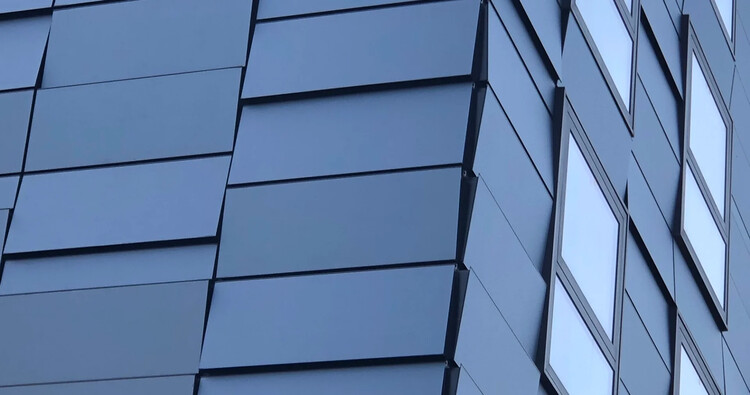
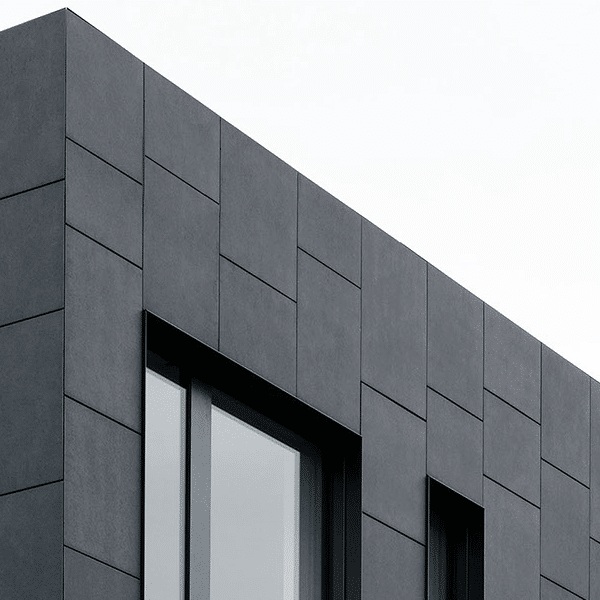
These replace conventional aluminium composite panels, stone cladding, or façade panels. They are suitable for areas where transparency is not required.
Opaque panels generally offer higher energy generation because they accommodate more photovoltaic cells.
Spandrel Panels
Spandrel areas between floor slabs in curtain wall systems can incorporate photovoltaic modules without affecting interior daylight.
These panels maintain the external appearance of glazed façades while generating renewable energy.
Ventilated BIPV Façades
In ventilated façade systems, photovoltaic panels are installed with an air cavity behind them. Natural ventilation helps reduce panel temperatures, improving electrical efficiency while enhancing building thermal performance.
Solar Shading Devices
Photovoltaic modules can also be integrated into louvers, fins, sunshades, pergolas, balconies, and canopies.
These systems simultaneously reduce solar heat gain and generate electricity.
Components of a BIPV Façade
A typical BIPV façade consists of:
- Photovoltaic modules
- Structural framing system
- Glass or protective covering
- Mounting brackets
- Electrical wiring
- Junction boxes
- Inverters
- Monitoring systems
- Power distribution equipment
The electrical energy generated is converted from direct current (DC) to alternating current (AC) through inverters before being supplied to the building or exported to the utility grid.
Benefits of BIPV Façades
Renewable Energy Generation
The primary benefit is clean electricity generation using solar energy without occupying additional land.
Reduced Energy Bills
Electricity generated on-site reduces dependence on grid power, lowering operating costs over the building’s life.
Dual Functionality
Unlike conventional solar installations, BIPV replaces standard building materials, reducing the need for separate façade components.
Improved Architectural Design
Modern BIPV products are available in various colours, textures, patterns, and transparency levels, allowing architects greater design flexibility.
Better Thermal Performance
BIPV glazing can reduce solar heat gain while maintaining natural daylight, lowering cooling loads in warm climates.
Green Building Certification
BIPV contributes toward sustainability rating systems such as LEED, IGBC, GRIHA, and BREEAM through renewable energy generation and energy efficiency.
Carbon Emission Reduction
Replacing grid electricity with solar power significantly reduces greenhouse gas emissions throughout the building’s operational life.
Efficient Land Utilization
Since photovoltaic systems are integrated into the building envelope, no additional land is required for power generation.
Design Considerations
Successful BIPV implementation requires close coordination between architects, façade consultants, structural engineers, electrical engineers, and solar specialists.
Important design factors include:
Building Orientation
South-facing façades generally receive higher solar exposure in the Northern Hemisphere, although east and west façades can also contribute significantly.
Solar Irradiation
Local solar radiation levels determine expected electricity generation.
Façade Geometry
Inclination, shading, recesses, and surrounding buildings influence system performance.
Structural Requirements
The façade must safely support the additional weight of photovoltaic components while resisting wind loads and seismic forces.
Electrical Integration
Cable routing, inverter placement, maintenance access, and fire safety must be considered during design.
Maintenance Accessibility
Cleaning and inspection access should be incorporated into the façade design to maintain energy performance.
Applications
BIPV façades are increasingly being adopted across various building types, including:
- Commercial office buildings
- Corporate headquarters
- Airports
- Hotels
- Hospitals
- Educational institutions
- Government buildings
- Shopping malls
- Mixed-use developments
- Residential high-rise buildings
- Industrial facilities
Large glazed buildings with extensive curtain wall systems are particularly suitable for BIPV integration.
BIPV in India
India’s growing emphasis on renewable energy, sustainable construction, and green building practices presents significant opportunities for BIPV adoption. Commercial buildings, IT parks, airports, educational campuses, and government projects are increasingly exploring integrated solar solutions to improve energy performance.
As urban land becomes more constrained and high-rise construction continues to grow, façades offer substantial untapped potential for renewable energy generation. Falling photovoltaic costs, improvements in module efficiency, and supportive government policies are expected to accelerate BIPV adoption across the country.
Industry Voices on the Future of Solar-Integrated Building Facades
Mr. Divyam Shah, Director, Euro Panel Products Ltd. said;

“Building-Integrated Photovoltaics is pushing the building envelope from a passive skin to an active, performance-generating layer, and that shift raises the bar for the cladding material underneath it. Once a facade is expected to carry photovoltaic integration, it has to hold up to sustained thermal load, UV exposure and wind stress over decades. As one of the pioneering metal cladding brands, our panels are built in a way that can sustain these demanding conditions and are equipped with enough design & functional flexibility to let architects integrate solar without compromising the facade’s visual language. BIPV adoption in India is still at a nascent stage, and demand will only establish and grow once sustainability certifications and energy-offset targets become standard project requirements. Cladding manufacturers who can support architects with versatile and flexible cladding options will be the ones they turn to when that shift happens.”
Yash Miglani, Managing Director, Migsun Group, said:

“Today’s homebuyers and companies look for sustainability and energy efficiency in buildings. The Building Integrated Photovoltaics provide a good way to do that by converting the building façade to an electricity-producing surface. This is a sensible approach that saves energy without compromising the building aesthetics. In light of green building becoming a trend among builders, we think that the future would include BIPVs in many projects.”
Harvinder Singh Sikka, Chairperson, Sikka Group, said:

“Real estate for the future is all about constructing more intelligent and sustainable structures. BIPV serves as a viable option in helping these constructions make use of renewable sources of energy, while still retaining their aesthetic appeal. With growing awareness on sustainability, developers are sure to incorporate this technology in their projects, making them future-proof.”
Kushagr Ansal, Director, Ansal Housing, said:

“Buildings that are sustainably constructed are now gaining prominence in the real estate sector. BIPV technology will allow developers to harness solar energy from the façade of the structure without altering its aesthetics. The system will assist in reducing the use of energy. The application of the technology will gain momentum due to rising environmental concern.”
Conclusion
Building-Integrated Photovoltaics represent a significant advancement in façade engineering by combining architectural functionality with renewable energy generation. Instead of treating the building envelope as a passive barrier, BIPV transforms it into an active energy-producing component that enhances building performance while reducing environmental impact.
Image Credit: archdaily.com, metsolar.eu