
A two-week remodel and an 18-month commercial build may use the same type of portable toilet, but the way those rentals are priced and managed is very different. Over a long project, small decisions about unit type, service frequency, and site conditions add up month after month. For project managers budgeting long-term construction porta potty rentals, understanding how costs are structured, what maintenance involves, and how service schedules work makes it easier to control spending while keeping facilities clean.
This guide covers the three areas that shape every long-term rental agreement: what drives the cost, how units are maintained, and how to choose a service schedule that fits the site.
What a Long-Term Rental Typically Includes
Most long-term agreements bundle the unit, delivery, routine servicing, and final pickup into a recurring charge. Many providers bill on a monthly or 28-day cycle, with the service schedule written into the agreement. Additional units, extra service visits, or relocations are usually billed separately. On long projects, the agreement may also outline how damaged units are handled, how much notice is needed to add or remove units, and what happens if the schedule runs past the original end date.
Reviewing exactly what is included before signing helps avoid surprises later. Contractors comparing construction porta potty rentals for extended projects often ask for a written breakdown of the base rate, service frequency, delivery terms, and any fees that could apply during the rental period.
Understanding the Costs
Unit Type
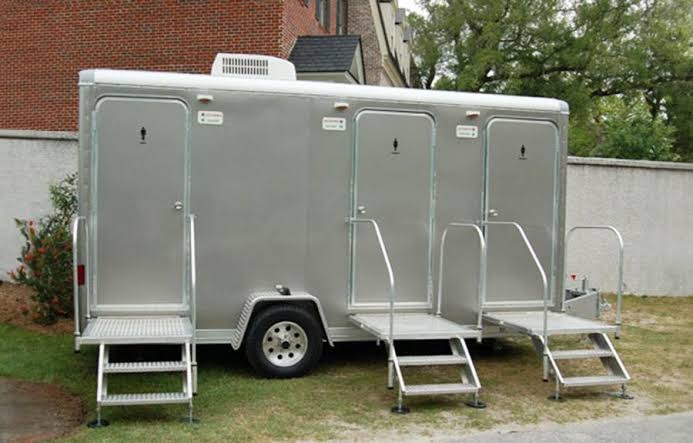
Standard portable toilets are the most economical option. Units with built-in sinks, accessible models, high-rise units, and crane-lifted units cost more because of their size, features, or handling requirements. Restroom trailers with flushing toilets and running water sit at the top of the price range and are typically used at site offices or on large, long-duration projects.
Number of Units
Total cost scales with the number of units on site. Federal construction standards set the minimum count based on crew size, starting with one toilet for 20 or fewer workers and one seat and one urinal per 40 workers on larger crews. Many sites choose more than the minimum for comfort and productivity, which should be reflected in the budget.
Service Frequency
Each service visit involves a truck, a technician, waste disposal, and supplies, so frequency has a direct effect on the recurring charge. Weekly service is the standard baseline. Adding a second weekly visit raises the cost per unit but can sometimes reduce the total number of units needed.
Location and Access
Distance from the provider’s yard, road conditions, and site access all affect pricing. Remote locations, gated sites with restricted hours, and projects that require special equipment to reach units may carry higher service or delivery charges.
Rental Length and Additional Fees
Longer commitments often qualify for more favorable rates than short-term rentals. Beyond the base rate, common additional charges include relocation of units, after-hours or emergency service, extra cleaning after misuse, and replacement of damaged or lost units. Some agreements also include fuel or environmental fees, so these are worth confirming upfront.
Maintenance Over the Life of the Rental
What a Standard Service Visit Covers
A routine service visit usually includes pumping the waste tank, cleaning and sanitizing interior surfaces, adding fresh deodorizing fluid, restocking toilet paper and hand sanitizer, and checking the unit for damage. Handwashing stations are refilled with fresh water and soap at the same time.
Seasonal Adjustments
Weather affects maintenance needs over a long project. In hot months, odors build faster, and tanks may need more frequent pumping. In freezing conditions, providers often add a brine or antifreeze solution to keep tanks and sinks working. A project that spans multiple seasons may need its service plan adjusted along the way. Placing units in shade during summer, away from snow piles in winter, and clear of standing water during wet months also reduces wear and keeps them accessible.
Site Practices That Extend Unit Life
Crews play a part in keeping units in good condition. Placing units on firm, level ground prevents tipping and door problems. Keeping trash out of the tanks makes pumping easier and avoids extra cleaning fees. Reporting damage or supply shortages quickly allows the provider to fix issues before the next scheduled visit.
Choosing the Right Service Schedule
The best schedule depends on crew size, work hours, weather, and site access. Under a common industry guideline of one unit per 10 workers on a 40-hour week, weekly service keeps most sites in good shape. Larger crews, longer shifts, or heavy summer use often justify more frequent visits.
| Service Schedule | Best Suited For | Key Considerations |
| Weekly | Standard crews on 40-hour weeks | Most common and cost-effective baseline |
| Twice weekly | Larger crews, long shifts, hot weather | Higher cost per unit, may reduce unit count |
| Three or more times weekly | Heavy-use sites, multiple trades | Best for high traffic and shared facilities |
| On-call or as needed | Small sites with variable use | Flexible, but less predictable for budgeting |
Revisiting the schedule at major project milestones helps keep costs aligned with actual use as crew sizes rise and fall.
Frequently Asked Questions
How are long-term porta potty rentals usually billed?
Most providers bill on a recurring monthly or 28-day cycle that includes the unit and the agreed service schedule. Extra services are billed separately.
Can the service schedule change during a project?
Yes. Most agreements allow service frequency to increase or decrease as crew size, weather, or work hours change.
What causes extra charges on a long-term rental?
Common causes include unit relocation, emergency service, cleanup after misuse and repair or replacement of damaged units.
Final Takeaway
Long-term restroom rentals are a recurring project expense, and their total cost depends on unit type, quantity, service frequency, site access, and the length of the agreement. Consistent maintenance and a service schedule matched to real usage keep facilities clean while avoiding unnecessary fees. Reviewing the plan at each phase keeps the setup in line with the needs of the crew. Before signing an agreement for a long project, document expected crew size, work hours, and site conditions, then compare construction porta potty rentals based on a clear breakdown of costs and service commitments.






