
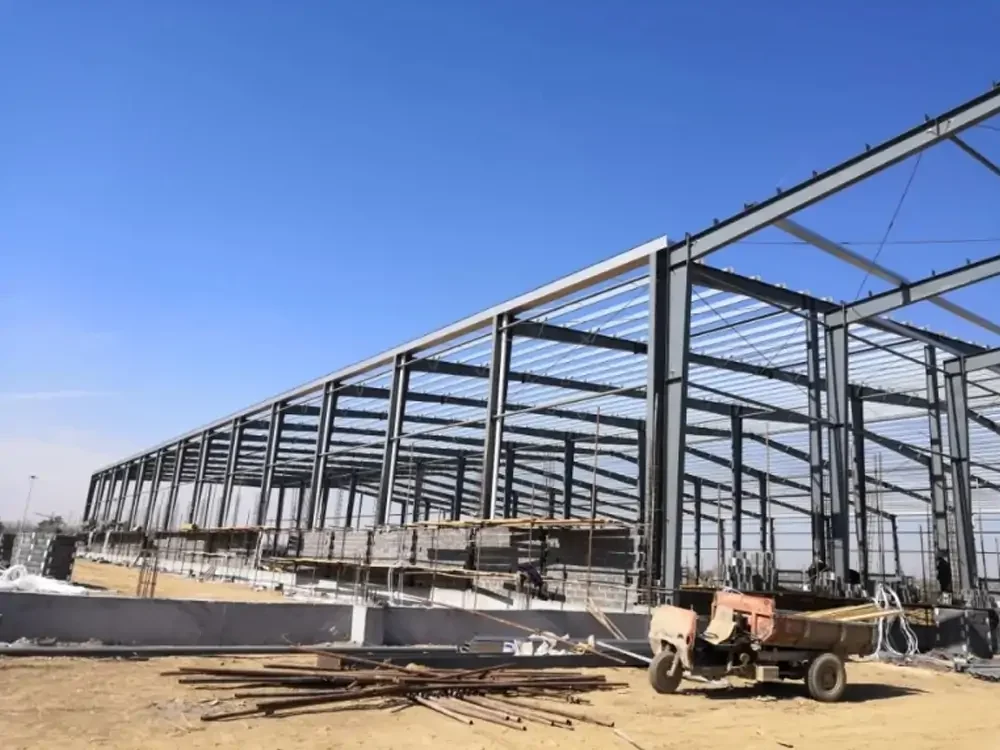
The construction industry is continuously evolving as developers, engineers, and architects look for building solutions that are stronger, more sustainable, and capable of meeting modern performance requirements. With increasing concerns about environmental impact and the growing demand for safer structures in earthquake-prone regions, material selection has become a critical factor in building design.
Structural steel has become one of the most widely used materials in modern construction due to its high strength, design flexibility, recyclability, and excellent performance under various loading conditions. From industrial facilities and commercial buildings to large infrastructure projects, steel structures provide reliable solutions that support both sustainability goals and seismic-resistant design strategies.
By combining advanced engineering methods with efficient manufacturing processes, structural steel helps create buildings that are not only durable but also adaptable to future construction needs.
Why Structural Steel Is Important for Sustainable Construction
Sustainability has become a key consideration in the global construction industry. Traditional construction methods often involve high material consumption, longer construction periods, and significant waste generation. Structural steel offers several advantages that contribute to more sustainable building practices.
One of the major benefits of steel is its recyclability. Unlike many traditional building materials, steel can be recycled and reused multiple times without losing its fundamental properties. This reduces the demand for new raw materials and helps minimize construction waste.
Steel structures are also manufactured with high precision in controlled factory environments. This allows components to be produced according to exact engineering specifications, reducing material waste during fabrication and installation.
In addition, steel’s high strength-to-weight ratio allows engineers to design lighter structures while maintaining excellent load-bearing capacity. A lighter building structure can reduce foundation requirements and lower the overall environmental impact of construction projects.
Structural Steel and Seismic-Resistant Building Design
Earthquake resistance is one of the most important considerations in modern structural engineering. Buildings located in seismic zones must be designed to absorb and dissipate energy effectively during ground movement.
Structural steel performs well in seismic applications because of its combination of strength and flexibility. Unlike brittle materials that may suddenly fail under extreme forces, steel can undergo controlled deformation while maintaining structural stability.
This ability allows steel frames to absorb seismic energy and reduce the risk of catastrophic structural failure. Engineers can design steel systems with flexible connections and carefully calculated load paths to improve earthquake performance.
Another advantage is that steel structures can be inspected, repaired, or modified more easily after seismic events compared with some traditional construction systems. This makes structural steel a practical choice for buildings where long-term safety and resilience are priorities.
The Importance of Steel Connection Methods
Connections play a crucial role in determining the overall performance of steel structures. The way steel components are connected affects structural strength, construction efficiency, maintenance requirements, and resistance to external forces.
Two common connection methods used in steel construction are welding and bolting. Each method has different advantages depending on project requirements, structural design, and construction conditions.
For example, welded connections can provide strong and continuous joints, while bolted connections often offer easier installation and greater flexibility during assembly. Understanding the differences between these methods is essential for engineers and contractors when selecting the most suitable solution for a specific project. More detailed comparisons can be found in resources discussing welded vs. bolted connections in steel structures.
Proper connection design ensures that structural steel systems can effectively transfer loads and maintain stability throughout the building’s service life.
Applications of Steel Structure Buildings
Structural steel is widely used across various construction sectors because of its versatility and performance advantages. It is commonly applied in industrial facilities, warehouses, commercial buildings, transportation structures, and large-scale infrastructure projects.
Industrial buildings often require large open spaces, high load capacity, and fast construction schedules. Steel framing systems can provide these benefits while allowing flexible interior layouts.
Commercial projects also benefit from steel construction because designers can create modern architectural forms while maintaining structural reliability. From high-rise structures to exhibition centers, steel provides opportunities for innovative designs.
For different types of construction applications, steel structure buildings offer solutions that combine durability, efficiency, and adaptability.
The Future of Structural Steel Construction
As construction technology continues to advance, structural steel will remain an important material for sustainable and resilient buildings. Digital design tools, advanced fabrication techniques, and improved engineering standards are helping manufacturers create more efficient steel structures.
The integration of technologies such as Building Information Modeling (BIM), automated fabrication, and intelligent monitoring systems will further improve the accuracy and performance of steel construction projects.
In addition, the increasing focus on green building standards will continue to highlight the importance of recyclable and resource-efficient materials. Steel’s ability to support sustainable construction while meeting strict safety requirements makes it a valuable material for future development.
Working with experienced structural steel suppliers and manufacturers is essential for achieving reliable project outcomes. Companies specializing in customized steel solutions, such as https://chinastructuralsteel.com/, provide engineered steel components designed for different construction requirements.
Conclusion
Structural steel plays a vital role in modern construction by providing strength, flexibility, sustainability, and seismic resistance. Its excellent mechanical properties allow engineers to design safer buildings while reducing environmental impact.
As the construction industry continues to prioritize sustainable development and structural resilience, steel will remain a preferred material for projects around the world. Through proper design, connection methods, and advanced manufacturing processes, structural steel can support the creation of safer, more efficient, and more sustainable buildings for the future.






