
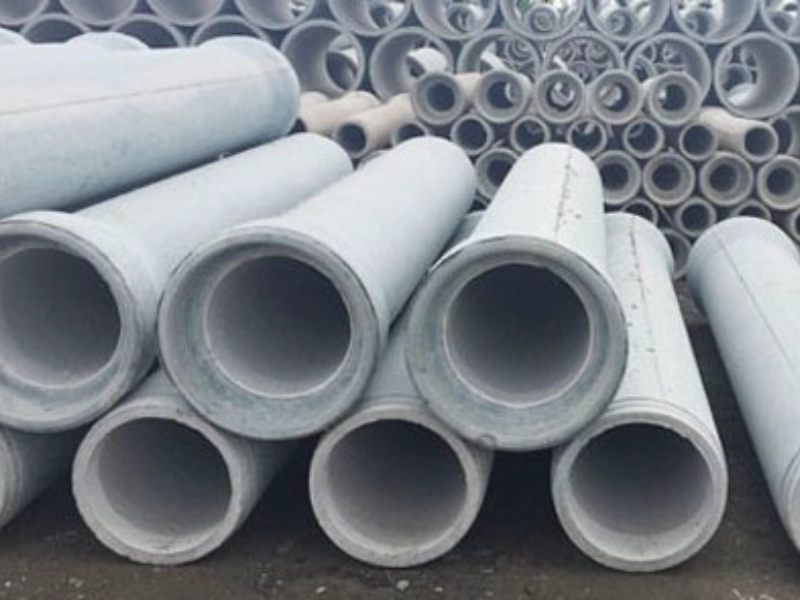
Concrete is one of the most widely used construction materials due to its strength, durability, and versatility. However, during concrete casting and demolding processes, contractors often face a common challenge: concrete sticking to forms.
When concrete bonds too strongly with formwork, removing the forms can become difficult. This may damage the concrete surface, reduce the quality of finished structures, and increase labor time during construction. In large-scale projects, these issues can lead to higher maintenance costs and slower project completion.
Preventing concrete from sticking to forms requires proper preparation, suitable formwork materials, and the correct use of release solutions. By understanding the causes of adhesion and applying effective prevention methods, contractors can improve construction efficiency and achieve better surface finishes.
Why Does Concrete Stick to Forms?
Concrete adhesion to forms can happen for several reasons. During the curing process, cement paste may bond with the surface of the formwork, especially when the form is not properly prepared.
Some common causes include:
1. Poor Form Surface Preparation
Dirty, damaged, or improperly maintained forms can increase the possibility of concrete adhesion. Residual concrete, dust, rust, or other contaminants may create uneven surfaces where concrete can easily attach.
2. Lack of Proper Release Treatment
Without an appropriate release layer, concrete may directly contact the form surface. This creates stronger bonding between the hardened concrete and the formwork, making removal more difficult.
3. Incorrect Formwork Material Selection
Different form materials interact with concrete in different ways. Steel, wood, plastic, and composite forms may require different preparation methods to achieve smooth demolding.
4. Excessive Moisture or Improper Curing Conditions
Environmental conditions can also affect the relationship between concrete and forms. Temperature, humidity, and curing time may influence how easily forms can be removed.
Use Concrete Release Agents for Easier Demolding
One of the most effective methods to prevent concrete from sticking to forms is applying a suitable release agent before pouring concrete.
Concrete release agents create a thin barrier between the concrete mixture and the form surface. This reduces direct contact and allows the formwork to be removed more easily after curing.
Modern concrete release agents are designed to improve demolding performance while helping maintain the quality of concrete surfaces. Depending on project requirements, manufacturers can choose different types, including water-based, oil-based, and environmentally friendly formulations.
A properly selected release agent can provide several benefits:
- Easier form removal
- Reduced surface defects
- Less cleaning required after demolding
- Extended formwork service life
- Improved construction efficiency
Proper Formwork Preparation Steps
Although release agents are important, proper form preparation is equally necessary for successful concrete casting.
Clean the Form Surface
Before applying any release treatment, forms should be cleaned thoroughly. Removing old concrete residue, dirt, and other contaminants helps create a smoother surface for the next casting cycle.
Apply the Release Agent Evenly
The release agent should be applied as a thin and uniform coating. Applying too much product may affect the appearance of concrete surfaces, while insufficient coverage may not provide adequate separation.
The application method depends on the type of formwork and release product being used. Spraying is commonly preferred because it provides consistent coverage across large surfaces.
Inspect Forms Regularly
Repeated use can cause forms to develop scratches, cracks, or surface damage. Regular inspection and maintenance help reduce adhesion problems and improve the overall quality of finished concrete structures.
Choosing the Right Release Solution
Different construction projects require different release solutions. Factors such as form material, concrete mix design, environmental conditions, and required surface finish should all be considered when selecting a product.
Working with an experienced supplier can help contractors identify the most suitable option for their applications. Companies such as aminoreleaseagent.com provide specialized release agent solutions designed for different molding and construction requirements.
For example, projects requiring architectural concrete finishes may need a release agent that minimizes surface marks, while large industrial projects may prioritize productivity and repeated form usage.
Additional Methods to Reduce Concrete Adhesion
Besides using release agents, several other practices can further reduce concrete sticking problems.
Use High-Quality Form Materials
Smooth and properly maintained forms generally provide better demolding performance. Investing in quality formwork can reduce long-term maintenance requirements.
Follow Correct Concrete Placement Practices
Proper vibration, mixing, and curing methods can improve concrete quality and reduce surface problems during removal.
Avoid Overusing Forms Without Maintenance
Forms that are reused many times without proper cleaning and inspection may become damaged and increase adhesion issues.
Conclusion
Preventing concrete from sticking to forms is an important part of achieving efficient construction operations and high-quality concrete surfaces. The combination of proper form preparation, suitable materials, and effective release solutions can significantly improve the demolding process.
By reducing adhesion between concrete and formwork, contractors can save time, minimize surface defects, and extend the service life of construction equipment.
Choosing the right release method is a practical investment for modern construction projects. To learn more about preventing concrete adhesion problems and improving demolding performance, you can view more related information.






