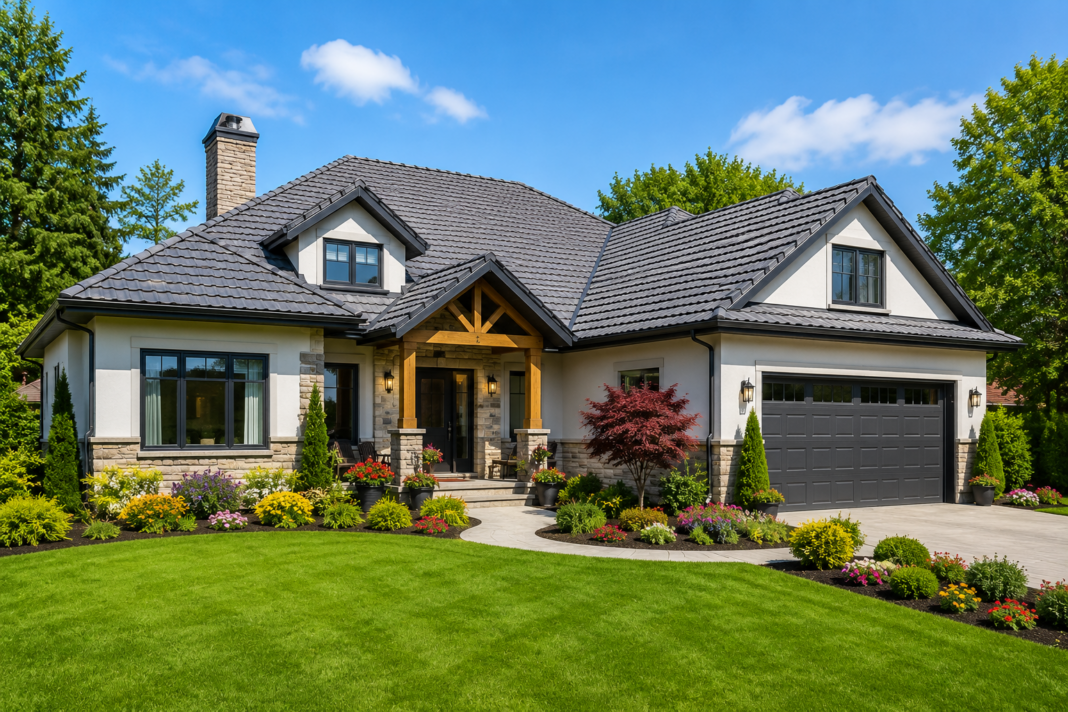
Have you noticed your roof looking a bit worse for wear lately? Perhaps there are cracked tiles catching your eye, or maybe those stubborn leaks during Melbourne’s winter storms are driving you mad. Are you wondering whether it’s time for a complete overhaul, or could a professional restoration breathe new life into your existing roof?
Your roof is arguably the most critical component of your property. It shields your family or business from the elements, contributes significantly to your building’s energy efficiency, and plays a massive role in your property’s overall value and street appeal. Yet, it’s often the most neglected part of any building until something goes seriously wrong.
In this guide, we’ll explore everything you need to know about roof restoration services. From understanding the difference between restoration and replacement to identifying warning signs that your roof needs attention, we’ve got you covered. Whether you own a family home in the leafy suburbs or manage a commercial warehouse, you’ll discover how professional roof restoration can protect your investment and save you thousands in the long run.
Why Properties Need Specialised Roof Care
Doncaster’s unique position in Melbourne’s eastern suburbs means properties here face particular challenges. The area experiences everything from scorching summer heat to heavy winter rainfall, and these temperature extremes take their toll on roofing materials over time.
The established nature of many homes means roofs are often 20, 30, or even 40 years old. These older roofs weren’t necessarily built with modern materials or techniques, making them more vulnerable to deterioration. Plus, the leafy streetscapes that make so beautiful also mean gutters and valleys frequently become clogged with debris.
Commercial buildings in the area face their own challenges. Flat or low-pitched roofs common on warehouses and retail properties are particularly prone to water pooling and membrane degradation.
The Difference Between Roof Restoration and Roof Replacement
Many property owners confuse restoration with replacement, but they’re quite different processes with vastly different price tags. Understanding the distinction helps you make smarter decisions about your property.
Roof replacement involves completely removing your existing roof and installing a brand new one. This is necessary when structural damage is severe or the roofing materials have completely failed. It’s a major undertaking that typically costs significantly more and causes considerable disruption.
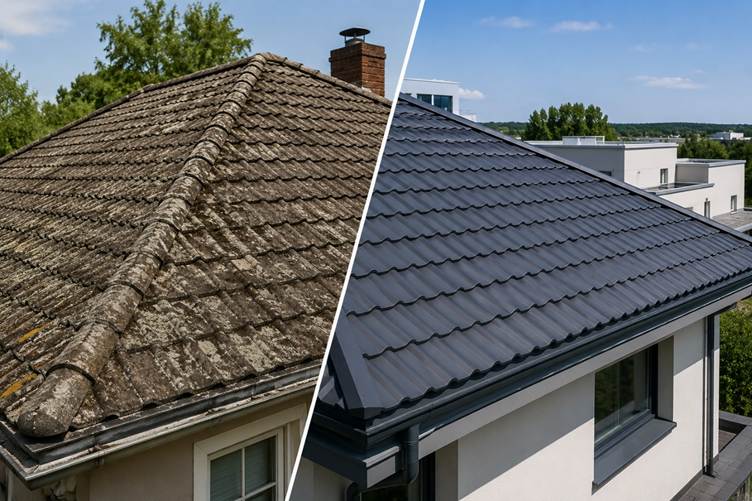
Roof restoration, on the other hand, works with your existing roof structure. It involves repairing damage, replacing broken tiles, repointing ridge capping, cleaning thoroughly, and applying protective coatings. When done properly, restoration can extend your roof’s lifespan by 15-20 years at a fraction of replacement costs.
What Is Roof Restoration and How Does It Work?
A proper roof restoration follows a systematic process that addresses every aspect of your roof’s condition. Understanding these steps helps you recognise quality workmanship when you see it.
The Step-by-Step Roof Restoration Process
The process typically begins with a thorough inspection to identify all issues requiring attention. Following this, the roof receives a high-pressure clean to remove decades of accumulated dirt, moss, lichen, and debris.
Next comes the repair phase. Cracked or broken tiles are replaced, loose tiles are re-bedded, and ridge capping is repointed with flexible pointing compounds. Any rust spots on metal roofs are treated and sealed. Valley irons are inspected and replaced if necessary.
Finally, the roof receives protective coatings. For tile roofs, this means a primer followed by two coats of quality roof membrane. Metal roofs receive appropriate rust-inhibiting primers and topcoats. These coatings provide UV protection, improve water shedding, and dramatically enhance appearance.
How Long Does a Roof Restoration Take?
Most residential roof restorations are completed within 3-5 days, depending on roof size and the extent of repairs needed. Larger commercial projects may take 1-2 weeks.
Weather plays a significant role in timing. Melbourne’s unpredictable conditions mean work sometimes needs to pause during wet weather, particularly for coating application which requires dry conditions for proper curing.
Signs Your Roof Needs Restoration
Catching problems early saves money and prevents more serious damage. Knowing what to look for helps you act before minor issues become major headaches.
Common Warning Signs for Residential Properties
Water stains on ceilings or walls are obvious indicators, but many signs appear on the roof itself. Look for cracked, chipped, or missing tiles. Check if ridge capping mortar is crumbling or falling away. Sagging roof lines suggest structural problems requiring immediate attention.
Moss and lichen growth indicates moisture retention, which accelerates deterioration. Faded or patchy colour shows the protective coating has failed. Rust spots on metal roofs spread quickly if left untreated.
Indicators for Commercial Building Roofs
Commercial properties often show different warning signs. Ponding water on flat roofs indicates drainage problems. Bubbling or blistering on membrane surfaces suggests moisture trapped beneath. Visible seam separation or flashing failure around penetrations allows water ingress.
Energy bills suddenly increasing might indicate compromised roof insulation or reflectivity. Interior humidity problems sometimes trace back to roof condensation issues.
Types of Roofing Materials We Restore in Doncaster
Different roofing materials require specialised knowledge and techniques. Quality restoration companies have experience with all common roof types found across properties.
Tile Roof Restoration Services
Terracotta and concrete tiles remain popular throughout residential areas. Both materials respond brilliantly to professional restoration when the underlying structure remains sound.
Concrete tiles benefit enormously from quality coatings that restore colour and provide waterproofing protection. Terracotta tiles, being more durable, often simply need thorough cleaning, repointing, and replacement of damaged units.
Metal and Colorbond Roof Restoration
Metal roofs, including older corrugated iron and modern Colorbond, present different challenges. Rust treatment is often the primary concern, along with replacing deteriorated fasteners that allow leaks.
Modern Colorbond restoration typically involves cleaning, treating any rust spots, and applying colour-matched coatings to restore appearance and extend protection. Older galvanised iron roofs may need more extensive rust treatment before coating.
Residential Roof Restoration Services
Your home is likely your biggest investment. Protecting it with quality roof restoration makes both practical and financial sense.
Is Roof Restoration Worth It for Older Homes?
Absolutely. Older homes often feature quality roofing structures built to last. The underlying framework typically remains solid even when surface materials show their age.
Restoration allows you to capitalise on this existing structural integrity rather than paying for complete replacement. You’ll improve your home’s appearance, prevent water damage, and potentially increase property value—all at a fraction of replacement costs.
Improving Energy Efficiency Through Roof Restoration
Modern roof coatings offer more than waterproofing. Heat-reflective coatings can significantly reduce heat transfer through your roof, keeping your home cooler in summer and reducing air conditioning costs.
Restoration also provides an opportunity to improve roof ventilation and insulation, further boosting energy efficiency. These improvements often pay for themselves through reduced energy bills over time.
Commercial Roof Restoration Services
Commercial properties require a different approach, balancing thorough restoration with minimal business disruption.
Minimising Business Disruption During Restoration
Professional commercial roofing contractors understand that downtime costs money. They work around your operating hours when possible and implement safety measures that allow normal business activities to continue.
Work is often staged to complete sections progressively, maintaining weather protection throughout the project. Clear communication keeps you informed about progress and any necessary disruptions.
Compliance and Safety Considerations for Commercial Roofs
Commercial properties must meet specific building codes and workplace safety requirements. Professional restoration ensures compliance with current standards, including proper fall protection systems, fire ratings, and stormwater management.
Documentation provided upon completion supports your building compliance records and may be required for insurance purposes.
How Much Does Roof Restoration Cost in Doncaster?
Cost is naturally a major consideration. Understanding what influences pricing helps you budget appropriately and recognise fair quotes.
Factors That Affect Roof Restoration Pricing
Roof size is the primary cost driver, typically measured in square metres. Roof pitch affects accessibility and safety requirements, influencing labour costs. The extent of repairs needed—number of broken tiles, amount of repointing required—varies significantly between properties.
Material quality also affects pricing. Premium coatings cost more but provide longer protection and better aesthetics. Access difficulties, such as multi-storey buildings or properties with limited workspace, increase costs.
Is Roof Restoration Cheaper Than Roof Replacement?
In almost every case, yes. Restoration typically costs 30-50% of full replacement while delivering comparable results when the underlying structure is sound. The savings are substantial, often amounting to thousands of dollars.
However, if structural damage is extensive or materials have completely failed, replacement becomes the more economical long-term option despite higher upfront costs.
How to Choose the Right Roof Restoration Company
Selecting the right contractor ensures quality results and protects your investment.
What to Look for in a Licensed Roofing Contractor
Verify appropriate licensing and insurance coverage. Request references from recent local projects. Check online reviews across multiple platforms for consistent feedback patterns.
Look for companies offering comprehensive written quotes detailing all work included. Warranties on both workmanship and materials indicate confidence in quality. Experience with your specific roof type matters—ask about similar projects completed.
Protecting Your Property Investment
Your roof works hard protecting everything beneath it, and it deserves proper care in return. Professional restoration addresses existing damage, prevents future problems, and dramatically improves your property’s appearance and value.
Whether you’re noticing early warning signs or simply want to maintain your roof proactively, restoration offers an excellent return on investment. It extends your roof’s serviceable life by decades, prevents costly water damage, improves energy efficiency, and boosts street appeal.
Don’t wait until small problems become expensive emergencies. Reach out to a qualified roof restoration specialist for an honest assessment of your roof’s condition. Your property—and your bank balance—will thank you for taking action today.