
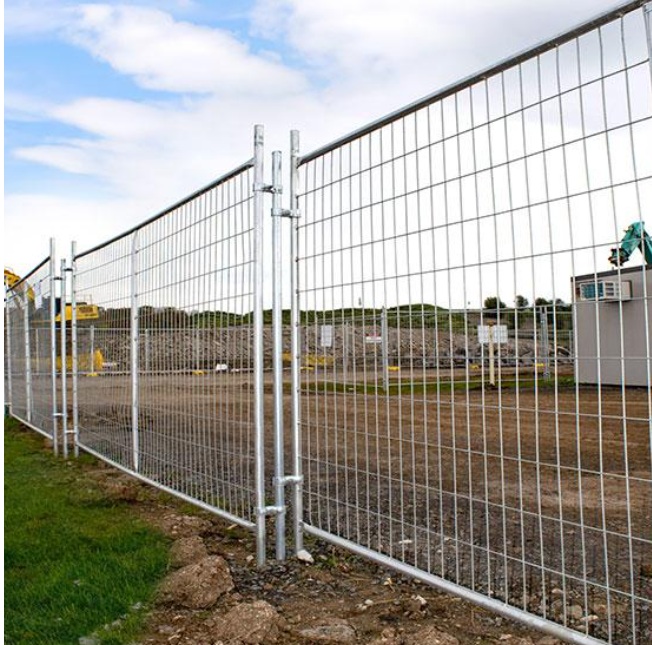
Temporary fencing is easy to overlook until it is urgently needed. A construction project starts, an outdoor event is booked, or a work area needs to be separated from the public, and suddenly a clear boundary matters for safety, security, and organisation. Good temporary fencing does more than mark a line on the ground. It guides people where they should go, keeps work areas separate from foot traffic, protects stored materials, and helps a site or event look managed rather than improvised. Planning it well takes less time than fixing problems after people, vehicles, and equipment are already on site.
Start by defining what the fence must do. On a construction site, the main jobs are usually keeping unauthorised people out of work areas, protecting passers-by from hazards, and securing tools and materials overnight. At an event, the fence may need to control entry, create a clear perimeter, separate different areas, or guide crowds toward entrances and exits. These jobs are not identical, and they affect the height, strength, and layout you need. A light barrier that works for crowd guidance at a fair may not be enough for a site with heavy equipment, and a heavy site fence may feel unwelcoming at a community event. Write down the main job first, then choose a setup that fits it.
Map the site before you order panels
Walk the area and sketch the fence line, even if the sketch is rough. Mark entrances, exits, delivery routes, parking, pedestrian paths, and places where emergency access must stay clear. Note slopes, soft ground, kerbs, drains, and surfaces that will affect how panels stand. Also note where the fence will meet a building, an existing wall, or a gate, since those junctions often need extra care. A plan drawn on paper makes it easier to count panels, place gates, and spot gaps before delivery day. It also helps everyone on site understand the layout, instead of learning it by trial and error.
Gates and access: plan them like entrances, not afterthoughts
Gates cause most of the day-to-day friction on a fenced site or event. Too few gates mean long walks and bottlenecks. Gates in the wrong place mean people climb over or go around the fence, which defeats its purpose. Plan separate routes where it makes sense: one for vehicles and deliveries, one for workers or staff, and one for visitors or the public. Make sure gates are wide enough for what must pass through them, and think about how they will be secured at night or when the area is unattended. A gate that is hard to use will be propped open, and a propped-open gate is the same as no gate at all.
Safety, visibility, and the public
Temporary fencing sits in public view, so it needs to work for people who are not part of the project. Keep pedestrian routes clear and well signed, and avoid creating blind corners where people and vehicles meet unexpectedly. Where a fence runs beside a footpath or road, consider visibility, lighting, and whether signs are needed to explain a detour. On a work site, the fence should also make hazards clear without creating new ones: panels should stand firmly, bases should not trip passers-by, and the line should not block sight lines at driveways. Small choices here prevent confusion and reduce risk for everyone.
How long, how large, and what changes over time
Temporary does not mean short, and it does not mean fixed. A project may run for weeks or months, and its needs will change as work moves from one phase to another. An event may need a different layout for set-up, for the main day, and for pack-down. Ask how the fence line might need to move, expand, or shrink over time, and whether gates will need to move with it. Planning for change at the start is usually cheaper and simpler than rearranging a full fence line under time pressure. It also helps to agree who is responsible for checking the fence, reporting damage, and keeping gates closed during the hire period.
Weather, ground, and daily checks
Wind, rain, and soft ground affect temporary fencing more than permanent fencing, because panels rely on bases and supports rather than deep footings. Check the ground where panels will stand, and think about whether extra support is needed in exposed or windy spots. Build a simple daily check into the routine: walk the line, look for leaning panels, loose connections, and open gates, and fix small problems before they grow. After a storm or a busy event day, that check matters even more. A fence that is checked daily stays a fence. A fence that is ignored slowly becomes a row of panels that no longer does its job.
Choosing a supplier and a clear scope
When you compare temporary fencing arrangements, compare the full scope, not just the number of panels. Ask what is included for delivery, set-up, gates, and collection, and what happens if the layout needs to change or the period needs to extend. Clarify who handles repairs during the hire, and how quickly a damaged panel can be replaced. A clear scope avoids surprises on the invoice and on site. Talking through the layout, access, and timing with Contour Fence can help match the setup to the site.
Exploring temporary fencing options for a site early gives you time to plan gates, routes, and changes before the first day of work or the first guest arrives.
Working with neighbours and nearby businesses
A temporary fence affects people beyond the site boundary, so communication matters. Let neighbours and nearby businesses know when fencing will arrive, how long it is expected to stay, and whether footpaths, parking, or access points will change. Clear signs on the fence itself can explain a detour or a new entrance, which reduces confusion and complaints. If work is noisy or dusty, a tidy and well-maintained fence line also signals that the site is being managed with care. Goodwill from neighbours is hard to measure, but it is easy to lose when a fence appears without warning and blocks a route people have used for years.
Conclusion
Temporary fencing works best when it is planned like part of the project, not added at the last minute. Define its job, map the site, place gates with care, keep public routes safe, and plan for change and daily checks. With that approach, a temporary fence does more than surround a space. It helps a site run safely, an event run smoothly, and everyone on and around the site understand where they should be.






