
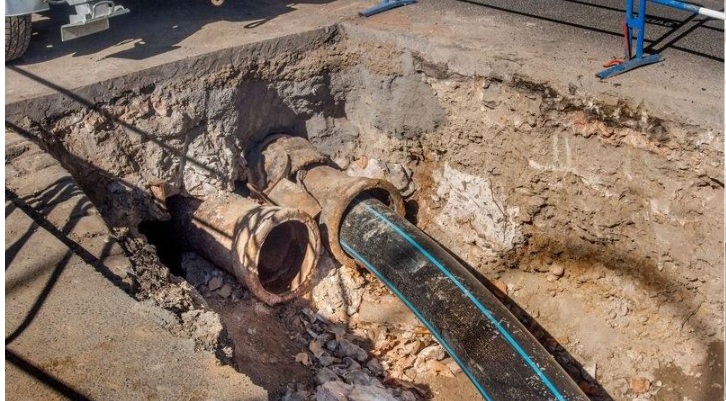
When a sewer line fails, most homeowners picture the same thing: a long trench through the lawn, a torn-up driveway, and weeks of mess. That picture is sometimes accurate, but it is no longer the only option. Trenchless methods can repair or replace a sewer line through small access points, leaving most of the yard intact. Traditional excavation, meanwhile, remains the right choice in many situations. The decision is less about which method is newer and more about which one fits your pipe, your property, and your budget.
Both approaches aim at the same result: a sound pipe that drains reliably for years. They differ in how they get there, how much of your property they disturb, and what they can and cannot fix. Understanding those differences before you approve a plan helps you ask better questions and avoid a repair that looks cheaper on paper but creates problems later. The first step, in almost every case, is a camera inspection that shows exactly what is wrong with the line.
How traditional excavation works
Traditional repair means digging a trench along the damaged section, removing the old pipe, laying new pipe, and backfilling the trench. It is direct and thorough: the crew can see the pipe, confirm the soil condition, correct the slope, and replace fittings and connections as needed. When a pipe has collapsed, is badly misaligned, or has lost its proper grade, excavation is often the most reliable way to rebuild it correctly from the ground up.
The trade-off is disruption. A trench can cross lawns, garden beds, walkways, and driveways, and restoration takes time, especially if concrete or mature plantings are involved. Access can also be a limiting factor: a narrow side yard, a steep slope, or a line running beneath a structure may make a full trench difficult or impractical. In those cases, the cost of restoring the surface can rival the cost of the pipe work itself, which is why the surface matters as much as the pipe when you compare options.
How trenchless repair works
Trenchless repair uses small entry points instead of a continuous trench. In pipe lining, a flexible liner is inserted into the existing pipe and cured in place, creating a new pipe inside the old one. In pipe bursting, a new pipe is pulled through the old line while the old pipe is broken apart and pushed into the surrounding soil. Both methods avoid most surface digging, and both can be completed more quickly than a long excavation, which is a real advantage when a driveway, patio, or mature landscaping sits above the line.
Trenchless methods do have limits, and an honest contractor will name them. A pipe that has collapsed completely, has severe bellies where water pools, or has lost its slope may not be a good candidate for lining, because the liner follows the shape of the old pipe. Connections to side branches also need care, and the existing pipe must leave enough room for the new liner or bursting head. That is why trenchless sewer repair methods are usually recommended only after a camera inspection confirms the pipe is a suitable candidate, not as a one-size-fits-all fix.
A practical way to compare the options
Start with the pipe’s condition, not the price. Ask for the camera footage or a clear summary of it: where the damage is, how long the damaged section runs, and whether the pipe has collapsed, sagged, or simply cracked. Then ask how each method would handle your specific problem, including side connections and slope. A method that cannot correct a sagging section may solve the leak while leaving slow drainage behind, which is not a complete fix.
Next, compare the full project, not just the pipe. For traditional repair, include excavation, pipe replacement, backfill, and restoration of lawn, concrete, and plantings. For trenchless repair, include access pits, restoration of those smaller areas, and any work on connections. Also ask about the expected life of the repair, what maintenance it needs, and what warranty applies to both materials and workmanship. A side-by-side comparison of those items usually makes the better choice clear, even when the headline prices look close.
Finally, consider timing and disruption. If a household needs its sewer back quickly, or if a business cannot afford a long closure, a faster trenchless job may be worth a premium. If the line runs through an open area that is easy to restore, traditional excavation may be simpler and more thorough. There is no universal winner, and a contractor who recommends one method for every home is not really comparing options at all. Aces Four works with Seattle-area homeowners to weigh these trade-offs for their own property and pipe condition.
Pipe material and age should also enter the comparison. A home with a short damaged section in an otherwise sound line may be a strong candidate for a targeted fix, while a line with widespread deterioration, repeated root intrusion, or failing joints along its length may be better served by a fuller replacement, even if that means more digging. Cleanout access matters too: if the line has no accessible cleanout, adding one during the repair can make future inspections and maintenance far simpler. Weighing these details alongside price and disruption gives a decision that holds up over time.
Questions to ask before you decide
Ask whether your pipe is a good candidate for trenchless repair and why, what the camera inspection showed, and what would happen if hidden damage is found during the work. Ask how surface restoration is handled, who is responsible for each part, and how long the yard or driveway will be out of use. Ask about permits and inspections, and keep copies of both when the job is done, along with a note showing where the repaired line runs.
A sewer repair is an investment you hope to make once and forget about, so the decision deserves more than a quick quote. With a clear picture of the damage, a full comparison of both methods, and honest answers about limits and restoration, most homeowners can choose with confidence. The best repair is not always the newest method or the cheapest bid; it is the one that matches your pipe, protects your property, and holds up for years.






