
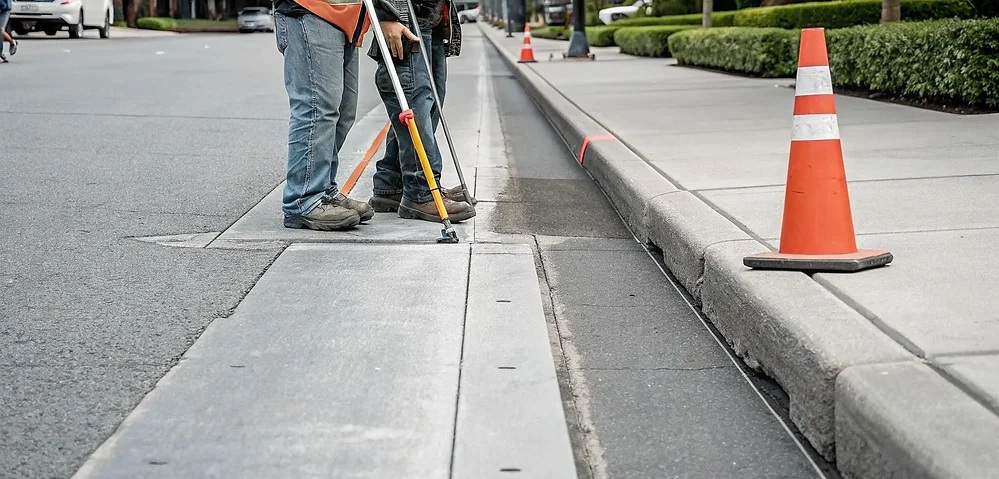
A damaged sidewalk can create problems well beyond the concrete itself. In New York City, poor sidewalk conditions can put pedestrians at risk. They can also create unexpected expenses for property owners and complicate a future sale or refinancing.
Keeping sidewalks in good condition helps protect pedestrians and preserves the appearance of a property. It also reduces the chance of dealing with a sidewalk violation when the owner is preparing to sell.
These concerns matter in a city where people rely heavily on walking. With more than 12,000 miles of sidewalks across New York City, even a small stretch of damaged pavement can affect the daily journeys of residents and visitors.
How Sidewalk Conditions Affect Property Values
The sidewalk is often one of the first things people notice when approaching a building. A smooth walkway gives the property a well-maintained appearance. Broken concrete can have the opposite effect.
For residential properties, this matters during viewings. Buyers look at more than the building itself. They also consider its surroundings and whether any repairs may be needed after purchase.
A damaged sidewalk does not automatically reduce a property’s appraised value. The impact depends on the condition of the pavement and the likely cost of repairs. Still, visible defects can raise questions during negotiations.
The more serious concern is an outstanding sidewalk violation.
New York City’s Department of Transportation (NYC DOT) issues violations when inspectors identify qualifying sidewalk defects. These notices are filed with the County Clerk and remain on record until the City confirms that satisfactory repairs have been completed.
An unresolved violation may complicate selling or refinancing a property. This makes sidewalk maintenance part of responsible property management rather than a purely cosmetic improvement.
Why Pedestrian Safety Depends on Well-Maintained Sidewalks
An uneven sidewalk may look like a minor inconvenience until someone trips over a raised concrete slab.
Cracks, missing sections, and changes in pavement height can create hazards for people walking through a neighborhood. The risk is particularly concerning for older adults and people with limited mobility.
For someone using a wheelchair or walker, a damaged section may be difficult to cross. Parents pushing strollers can face similar obstacles.
Sidewalk maintenance also affects how people move through a neighborhood. When a damaged walkway becomes difficult to use, pedestrians may try to avoid it. Some may have to navigate around the affected area or move closer to traffic.
A safe sidewalk should provide a reasonably even and unobstructed walking surface. Its condition matters as much as the design of the surrounding street.
What Causes Sidewalk Damage in NYC?
Concrete sidewalks face years of exposure to weather, foot traffic, and ground movement. Several conditions can contribute to deterioration.
Tree-root growth is a common concern on streets with mature trees. As roots expand beneath concrete slabs, they can lift sections of the pavement and create uneven surfaces.
Ground settlement can cause slabs to sink when the supporting soil shifts or loses stability. This may leave differences in height between adjoining sections.
Freeze-thaw cycles can make existing cracks worse. Water enters damaged concrete and expands when it freezes. Repeated cycles can lead to further cracking or surface deterioration.
Poor drainage can also contribute to pavement problems. Standing water may weaken the supporting ground over time. It can also make existing sidewalk defects more difficult to manage.
Understanding the cause is important before choosing a repair method. Replacing a slab without addressing the underlying problem may leave the new pavement vulnerable to similar damage.
When Should a Sidewalk Be Repaired or Replaced?
Not every visible crack calls for complete sidewalk replacement.
A small surface defect may be suitable for a limited repair if the concrete remains sound and the proposed work meets applicable requirements. Larger defects often need a more substantial solution.
Raised or sunken slabs deserve particular attention because they can create tripping hazards. Where settlement or root growth has displaced the concrete, replacement may be necessary to restore a suitable walking surface.
The condition of the base beneath the slab also matters. A new concrete section needs stable support if it is going to perform well over time.
This is why restoring damaged pedestrian walkways in New York City requires more than improving their appearance. The repair needs to address the condition causing the damage while meeting NYC DOT requirements.
For property owners, the sensible approach is to have the affected area assessed before deciding how much concrete to remove or replace.
Understanding NYC Sidewalk Maintenance Responsibilities
New York City generally requires property owners to maintain the sidewalks adjoining their properties.
Under Section 19-152 of the New York City Administrative Code, owners are responsible for repairing qualifying sidewalk defects. If an inspection finds sidewalk damage that needs to be fixed, NYC DOT may send the property owner a violation notice.
A sidewalk violation does not carry an immediate fine. Property owners typically have 75 days after receiving the notice to fix the sidewalk problems identified during the inspection.
If the work is not completed within that period, NYC DOT may arrange repairs through a contractor. The property owner can then be billed for the work.
Property owners who choose to handle repairs themselves can hire a licensed contractor such as Eden Sidewalk Repair NYC to carry out the work and secure the necessary permits. Once the repairs are complete, they can request a sidewalk violation dismissal inspection through NYC311.
There are important exceptions to the usual maintenance responsibilities.
For example, qualifying sidewalk damage caused by City-owned tree roots next to one-, two-, or three-family residential properties may be eligible for repair through the NYC Parks Trees and Sidewalks Repair Program.
An inspection determines eligibility. The program does not cover every property or every type of sidewalk damage.
Property owners should confirm the cause of the defect and their responsibilities before arranging work.
Why Preventive Maintenance Makes Financial Sense
Sidewalk maintenance is easier to manage when property owners notice problems early.
A crack that remains stable may need monitoring rather than extensive work. But if it begins widening or the surrounding concrete starts moving, further assessment becomes important.
Regular inspections can help owners identify changes before they become serious hazards.
A practical maintenance routine should include:
- Checking for raised or sunken concrete sections.
- Watching for cracks that are widening or spreading.
- Looking for water collecting on the walking surface.
- Keeping pedestrian routes clear of debris and other obstructions.
- Inspecting pavement near trees for signs of root-related movement.
These checks do not replace a professional assessment. They help owners recognize when one is needed.
Early attention may also give owners more control over repair scheduling. That can be valuable when work requires permits or temporary pedestrian access arrangements.
Protecting Property Value Starts With Safe Access
A well-maintained sidewalk may not guarantee a higher selling price. It does, however, remove an avoidable source of concern for potential buyers and people using the property.
In New York City, sidewalk conditions carry financial and practical consequences. Damaged pavement can create pedestrian hazards. An unresolved violation can complicate a property transaction. Delayed repairs may also leave owners facing work arranged by the City.
The better approach is to treat sidewalk maintenance as part of routine property care.
Inspect the pavement regularly. Address dangerous conditions promptly. When repairs are necessary, make sure the work meets the City’s requirements.
A safe and accessible sidewalk benefits the people who use it every day. It also leaves property owners better prepared when the time comes to sell, refinance, or make improvements.






