
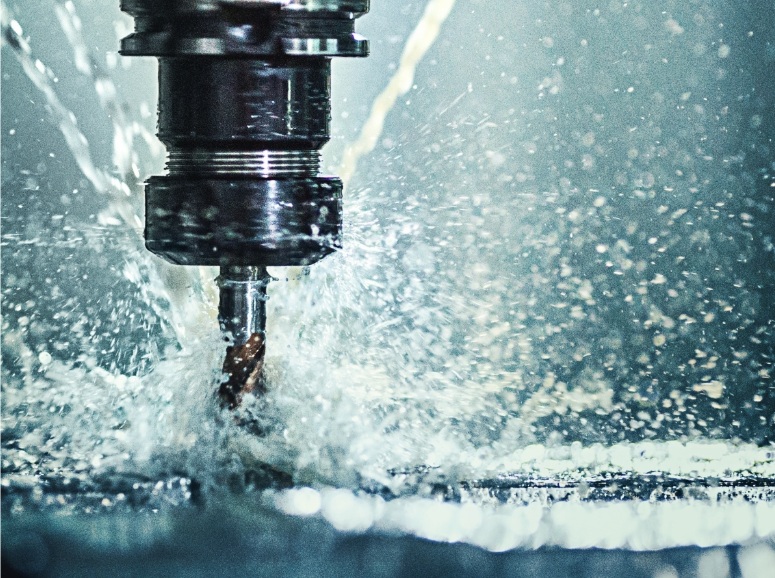
Prefabrication can help construction teams save time by moving more work into controlled factory environments. But that advantage starts to disappear when components arrive on site and do not fit as expected. Small dimensional errors in brackets, connectors, mounting plates, spacers, and other manufactured parts can lead to extra drilling, adjustment, or replacement during installation. CNC machining can help reduce these risks by improving dimensional control and consistency before components reach the jobsite. MachMaster Company, a reliable precision CNC machining manufacturer in China, is one example of a supplier working within this part of the prefabrication supply chain.
1. Rework Often Starts Long Before Parts Reach the Site
Prefabrication shifts a large part of construction work into a factory, where fabrication, inspection, and assembly can be managed under more controlled conditions. That improves consistency, but it also creates a different type of risk. If the same incorrect dimension or hole location is repeated across a standardized batch, one small mistake can quickly affect dozens of components.
Common causes include incorrect dimensions, misaligned holes, poorly positioned mounting features, inconsistent production between batches, and design changes that are not reflected in the latest production files.
Fixing one component during manufacturing is usually manageable. Fixing dozens after delivery is much more disruptive. It can increase labor, delay crane operations, interrupt installation sequences, and put pressure on the wider project schedule.
2. Small Part Errors Can Create Bigger Assembly Problems
Prefabricated systems depend on individual components fitting together as intended. Connection brackets, mounting blocks, connector plates, spacers, and custom hardware often need to line up with surrounding structures or equipment.
Even a small dimensional error can cause fit-up issues during assembly. A slightly misplaced hole may require crews to drill a new one. An oversized edge may need grinding. A gap between parts may require shimming, while a more serious mismatch could mean modifying or replacing the component entirely.
These corrections may look minor when viewed one part at a time. Across multiple modules, however, they can add labor, slow installation, and make project costs harder to predict. Problems can also affect downstream work if other trades are waiting for the assembly to be completed.
3. CNC Machining Makes Repeat Parts More Predictable
CNC machining can help make prefabricated components more consistent because the process follows programmed instructions. Once the machining program, tooling, and setup have been validated, manufacturers can reproduce the same features with less variation from part to part.
This is useful for critical dimensions, holes, pockets, threads, and surfaces that need to fit against another component. When the machining process is properly controlled, these features can be held within the specified tolerances more consistently.
Repeatability is especially important when the same bracket, spacer, plate, or equipment mount is used across many modules. This is also where working with an experienced machining supplier, whether MachMaster or another qualified manufacturer, can help project teams maintain consistent requirements across repeat parts.
CNC machining can also produce several related features in one controlled setup. This reduces the need to reposition the part repeatedly, which can help limit variation between holes, threads, and other features. For prefabrication teams, that can mean fewer adjustments and less corrective work during assembly.
4. Keep the Digital Design and the Finished Part Aligned
CNC machining is only as reliable as the information used to produce the component. CAD models, fabrication models, and BIM information need to be converted into clear, controlled manufacturing data and drawings.
That information should define dimensions, tolerances, hole locations, threads, materials, and reference points used for measurement. It should also identify the correct drawing or model revision.
Revision control is especially important. If an engineer changes a connection detail but the manufacturer continues using an older file, the machine may produce the part accurately while still producing the wrong part.
This is why communication matters as much as the machining process itself. Design, engineering, procurement, and manufacturing teams need to work from the same approved information. Clear revision numbers and released production files can help prevent outdated designs from reaching the shop floor.
5. Catch Problems Before the Full Batch Is Produced
Quality checks are most valuable when they happen early. Before a full production batch continues, manufacturers can inspect the first finished component to confirm that the important features match the drawing.
That may include checking critical dimensions, hole locations, threads, and mating features. Depending on the part, teams may use calipers, gauges, or more advanced measuring equipment. Where practical, mating components can also be test-fitted.
For new or complex parts, prototypes may help confirm the design before production begins. For regular production, a first-off sample can be inspected before the remaining batch is completed. This kind of early verification is relevant whether parts are produced in-house or sourced from machining partners such as MachMaster.
Finding a dimensional problem after the first component is usually manageable. Discovering the same issue after 100 identical parts have already been produced can lead to significantly more scrap, rework, and delay.
6. Use CNC Where Precision Actually Matters
CNC machining does not need to be used for every prefabricated component. It makes the most sense when fit, repeatability, complex geometry, or tighter dimensional control is important.
Simple parts with wider tolerances may be produced more economically using other fabrication methods. The better question is which components could create costly assembly problems if their dimensions are wrong.
Unit price is only part of the calculation. A cheaper component may become more expensive overall if it requires extra labor, modification, or replacement on site. Using CNC machining selectively can help balance manufacturing cost with the wider cost of installation and rework.
Conclusion
Reducing rework in prefabrication depends on finding problems before components reach the jobsite. Accurate machining, controlled production information, repeatable processes, and early inspection can all support more predictable assembly. When critical parts are produced and checked properly, prefabrication teams are more likely to avoid costly site corrections and keep installation moving as planned.






