
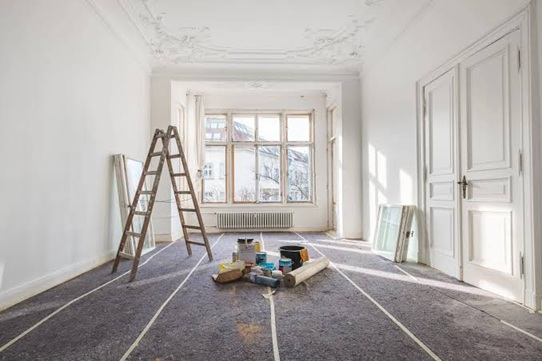
Older homes often have the things newer builds try hard to imitate: character, generous proportions, established gardens, solid materials and a sense of history that can’t be ordered from a catalogue. But they can also come with layouts that don’t quite suit modern life, kitchens tucked away from the action, bathrooms that feel too small, tired finishes, poor storage, and living spaces that no longer match the way a family actually uses the home.
That’s where working with a team like GIA Renovations can help turn a dated property into something that feels fresh, practical and still connected to its original charm. A good renovation doesn’t need to erase the past; it can keep the best parts of an older home while making everyday life feel easier, lighter and more comfortable.
Start With How the Home Feels to Live In
The most useful renovation plans usually begin with frustration. Maybe the kitchen becomes crowded every morning, or the only bathroom creates chaos when everyone’s getting ready. Maybe the living room feels dark, the laundry doesn’t work properly, or the house has enough floor space but somehow not enough storage. These daily irritations are often the clearest clues about what needs to change.
Before choosing tiles, tapware or cabinet colours, it’s worth thinking carefully about movement, light and routines. Where do people naturally gather? Which rooms are underused? Where does clutter build up? How does the house handle entertaining, working from home, children, pets or ageing family members?
Once those questions are answered, the renovation can focus on solving real problems instead of just making the home look newer. A beautiful room is great, but a beautiful room that works properly is far better.
Respect the Original Character
One of the risks with renovating an older home is going too far in either direction. Keep everything untouched, and the house may remain awkward or inefficient. Strip away too much, and the home can lose the character that made it appealing in the first place.
The best renovations find a balance. Original features like timber floors, decorative plaster, fireplaces, proportions or façade details can be retained or echoed, while kitchens, bathrooms, storage and living areas are updated to suit modern expectations. Materials also help bridge old and new. Natural stone, timber, soft neutral palettes and carefully chosen fixtures can make updated spaces feel like they belong rather than looking bolted on.
This is especially important in visible transitions between old and new areas. If an extension or major internal change feels completely disconnected from the rest of the home, the renovation may solve one problem while creating another.
Planning Saves Stress Later
Renovations are exciting in theory, but they involve plenty of decisions, timelines, trades, budgets and surprises behind the walls. A clear plan helps reduce the number of moments where everyone has to make rushed choices under pressure.
Good planning includes a realistic budget, proper documentation, product selections, permits where needed, and an understanding of how the work will affect daily life. It’s also worth allowing some room for the unexpected, particularly in older homes where plumbing, wiring, structural issues or previous DIY work may only become obvious once the project begins.
A Better Home Doesn’t Have to Become a Different Home
The most satisfying renovation is often the one that makes a house feel more like itself. It improves the awkward parts, brings in light, creates better flow and gives the family spaces that genuinely support the way they live.
When the planning is thoughtful and the original character is respected, an older home can feel new again without losing the warmth, history and personality that made it worth renovating in the first place.






