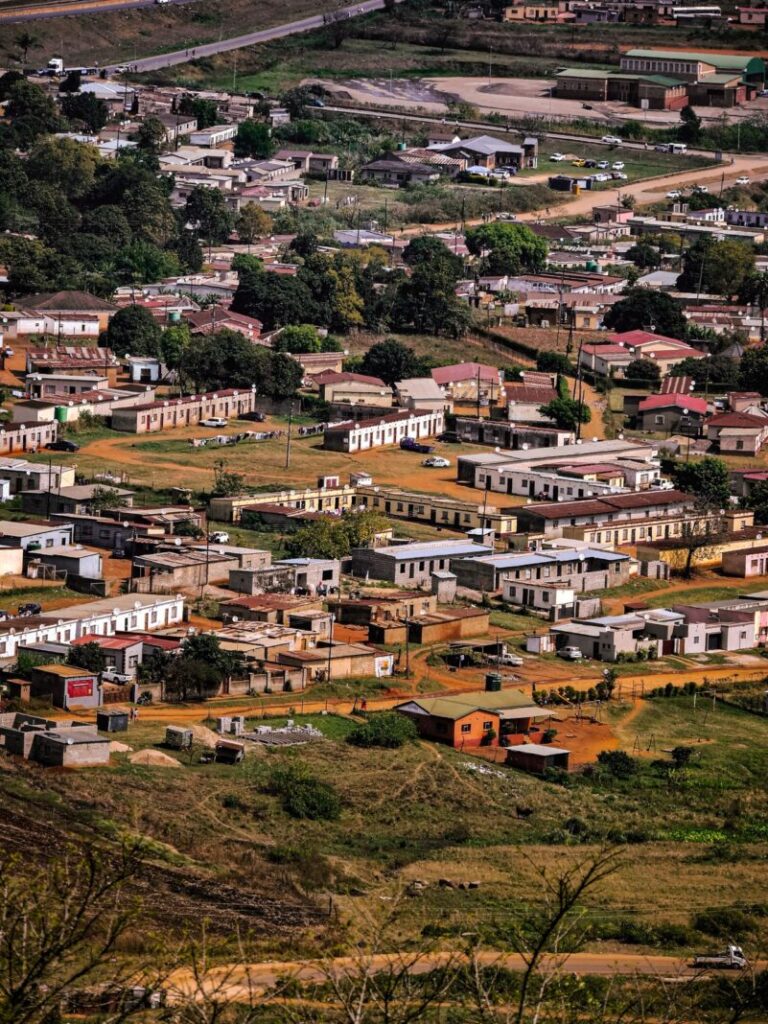
India’s urban landscape is undergoing a significant transformation. As cities continue to expand beyond their traditional boundaries and accommodate growing populations, the focus is shifting from simply building more housing to creating urban environments designed for long-term sustainability and functionality. According to the United Nations, more than 800 million Indians are expected to live in urban areas by 2050, highlighting the need for development models that balance density, infrastructure and quality of life.
For many years, urban growth was driven by standalone residential developments, while supporting infrastructure followed much later. Roads, public amenities, educational institutions and healthcare facilities often lagged, creating fragmented neighbourhoods that struggled to function as complete urban ecosystems.
Today, integrated township development is redefining this approach. Rather than viewing housing as an isolated asset, master-planned developments integrate mobility, infrastructure, utilities, green spaces, and social amenities into a unified framework, enabling communities to function efficiently from the very beginning.
Integrated Planning Beyond Individual Buildings
Urban development today extends well beyond the construction of residential structures. It requires the coordinated planning of transport networks, public infrastructure, open spaces and community facilities that collectively determine the long-term success of a development. In master-planned townships, residential precincts are planned alongside schools, healthcare facilities, commercial centres, parks and civic infrastructure, ensuring that every component contributes to a connected and efficient urban environment. This integrated planning approach not only improves functionality but also creates neighbourhoods that are better equipped to meet evolving urban needs.
Building Complete Urban Communities
The success of a township is measured not only by the number of homes it delivers but by the quality of life it supports. Contemporary township planning focuses on accessibility, mixed-use development and walkable neighbourhoods that reduce travel distances while improving convenience for residents. Public spaces also play a vital role in creating successful developments. Parks, landscaped corridors, pedestrian-friendly streets and community spaces are increasingly recognised as essential infrastructure that contributes to healthier, more connected and vibrant urban environments.
Sustainability begins at the Planning Stage
As cities face increasing environmental challenges, sustainability must be incorporated into the planning process rather than introduced after development is complete. Master-planned townships integrate landscape planning, permeable surfaces, rainwater management, native plantations and passive planning strategies to improve environmental performance while enhancing the overall resilience of the development. This reflects a broader transition from focusing on individual green buildings to creating sustainable urban districts that perform efficiently over the long term.
Smart Infrastructure for Resilient Development
The growing adoption of digital infrastructure, renewable energy systems and intelligent utility management is reshaping modern township development. However, technology delivers maximum value when supported by comprehensive planning and timely infrastructure delivery.
Successful townships are those where roads, utilities, public amenities and connectivity develop alongside residential construction, allowing communities to become operational from the outset. Equally important is the integration of these developments with regional transport networks, ensuring they complement and strengthen the larger urban ecosystem.
The Way Forward
Master-planned townships represent an important evolution in India’s urban development journey. They demonstrate that successful projects are no longer defined solely by residential construction but by the integration of infrastructure, planning, sustainability and community development.
As India continues through one of the world’s largest phases of urbanisation, the developments that create lasting value will be those that combine efficient infrastructure with thoughtful planning to build connected, resilient and future-ready urban communities. The future of urban development lies not simply in constructing better buildings, but in creating integrated environments where infrastructure, planning and people evolve together.
Authored By;