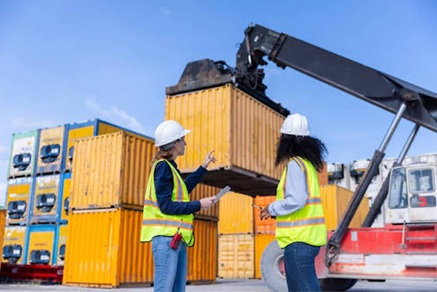
On a busy construction or industrial site, lifting is one of those jobs that can look straightforward from a distance, but there’s a lot happening behind the scenes. Loads need to be moved safely, access needs to be managed, timing matters, ground conditions can change, and the wrong equipment choice can slow the entire project down before anyone’s even started the main task.
That’s why working with experienced providers like Sventek Cranes can make such a difference. A crane isn’t just another machine on site; it’s a central part of how materials, structures and heavy components move through the project, so the planning around it has to be just as careful as the lift itself.
The Right Crane Depends on the Job
Not every lift needs the biggest machine available, and not every site can handle the same setup. The right crane depends on the weight of the load, the reach required, access to the site, ground conditions, overhead hazards, surrounding buildings, weather exposure and the amount of space available for setup and movement.
That’s where early planning pays off. If the lift is only considered at the last minute, teams can run into problems with permits, site access, traffic management, powerlines, soft ground or restricted working areas. A crane that looks suitable on paper may not be practical once the realities of the site are properly assessed.
Choosing the right lifting solution is partly about capability, but it’s also about efficiency. When the equipment matches the job, lifts can be completed more smoothly, downtime is reduced, and other trades aren’t left waiting around because materials can’t be moved into place.
Safety Starts Before the Lift
A safe lift doesn’t begin when the crane starts moving. It begins with assessment, communication and a clear plan. Everyone involved needs to understand what’s being lifted, how it’ll be rigged, where it’s going, who’s responsible for signalling, and what conditions would cause the lift to stop.
This is especially important on sites where multiple activities are happening at once. Trucks may be arriving, workers may be moving through the area, other machinery may be operating nearby, and public access may need to be controlled. Without a clear lift plan, small misunderstandings can become serious risks very quickly.
The condition and maintenance of the equipment also matter. Cranes, rigging gear and lifting accessories need to be properly inspected, suited to the task and operated by people who know what they’re doing. A professional lift should never rely on guesswork or “she’ll be right” thinking.
Good Coordination Keeps the Project Flowing
Lifting is often tied to other parts of the schedule. A delayed crane can hold up deliveries, installation, trades, road closures or inspections, while a poorly timed lift can create congestion and frustration across the site. Good coordination helps make sure the crane arrives when it’s needed, the site’s ready, and the lift can happen without unnecessary disruption.
Communication between builders, project managers, suppliers, operators and site crews is key. The more everyone understands the plan, the less likely the day is to be derailed by avoidable confusion.
Heavy Lifting Works Best With Careful Planning
The right lifting equipment doesn’t just move heavy things. It supports safety, timing, productivity and confidence across the whole project.
When crane selection, site planning and skilled operation come together, the lift becomes one part of a well-managed workflow rather than a stressful interruption. On demanding projects, that can make all the difference between progress that feels controlled and a job that keeps getting stuck.