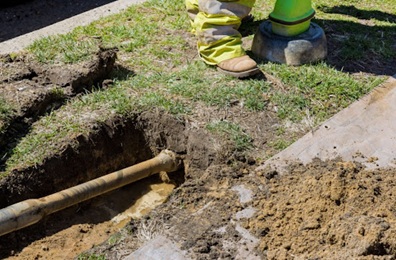
A blocked or damaged pipe has a special talent for turning a normal day into a headache. One minute everything seems fine, and the next there’s a slow-draining sink, a bad smell, a soggy patch in the garden, gurgling pipes, or water appearing somewhere it absolutely shouldn’t be. The first fear for many homeowners is that the whole yard, driveway or paved area will need to be dug up to find and fix the problem.
That’s why Sewer Stormwater Pipe Relining can be worth investing in before anyone reaches for an excavator. In many cases, relining may offer a less disruptive way to repair damaged pipes by creating a new internal lining within the existing pipe, rather than removing and replacing large sections from the ground up.
The Problem Isn’t Always Where You Think It Is
Pipe issues can be surprisingly sneaky. A blockage may show up in one part of the house even though the real problem sits further along the line, underground, under concrete, beneath landscaping or near tree roots. Guessing rarely helps, and digging without proper investigation can quickly make the situation more expensive than it needs to be.
A proper inspection, often using a drain camera, gives a much clearer view of what’s happening inside the pipe. It can reveal cracks, root intrusion, collapsed sections, misalignment, corrosion, blockages or build-up. Once the problem is actually visible, the repair method can be chosen with more confidence.
This is important because not every pipe issue needs the same solution. Some blockages may be cleared, some sections may need repair, and some damaged pipes may be suitable for relining. The right answer depends on the condition of the pipe, the location of the damage and whether the existing structure can support the new lining.
Less Disruption Can Be a Big Advantage
Traditional pipe replacement can involve excavation, which may mean digging through lawns, gardens, concrete paths, driveways or other finished areas. Sometimes that’s unavoidable, especially if a pipe has collapsed badly or access is limited, but it’s not always the first or only option.
Relining can reduce disruption because the repair happens largely from within the pipe. For homeowners, that can mean less mess, less damage to surrounding areas and fewer restoration costs once the plumbing work is finished. It can also be helpful in older homes where pipe access is awkward or where major excavation would interfere with established landscaping.
Of course, relining still needs to be done properly. The pipe usually has to be cleaned and prepared, the liner needs to be installed correctly, and the finished result should be checked to make sure flow has been restored properly. It’s a specialised job, not a quick patch.
Prevention Still Matters
Once a pipe has been repaired, it’s worth thinking about what caused the issue in the first place. Tree roots, ageing materials, ground movement, heavy traffic above the line and poor drainage can all contribute to repeat problems. Understanding the cause helps homeowners make better decisions about maintenance and monitoring.
Simple habits can also help. Avoid flushing inappropriate items, be careful about grease and food waste, pay attention to recurring slow drains, and don’t ignore outdoor wet patches or bad smells. Pipes are out of sight, but they shouldn’t be completely out of mind.
Get the Facts Before the Ground Gets Opened
Damaged pipes can feel urgent, and sometimes they are, but rushing straight into excavation isn’t always the smartest move. A proper inspection can show what’s really going on and whether a less invasive repair is possible.
For many homeowners, the best outcome isn’t just a working pipe. It’s a repair that solves the problem while keeping the rest of the property as intact as possible.