
Introduction
Efficiency is not restricted to the interior of the house alone. Outdoor spaces such as gardens, driveways, patios, sidewalks, and parking spaces may also provide energy/resource efficiency for the house. Well-designed outdoor spaces can help in saving energy and water, making them comfortable, promoting biodiversity, and developing useful outdoor spaces that need less maintenance.
An energy-efficient outdoor space is not just made up of energy-efficient materials/products but rather is an efficient combination of lighting, irrigation, landscaping, EV charging and many more.
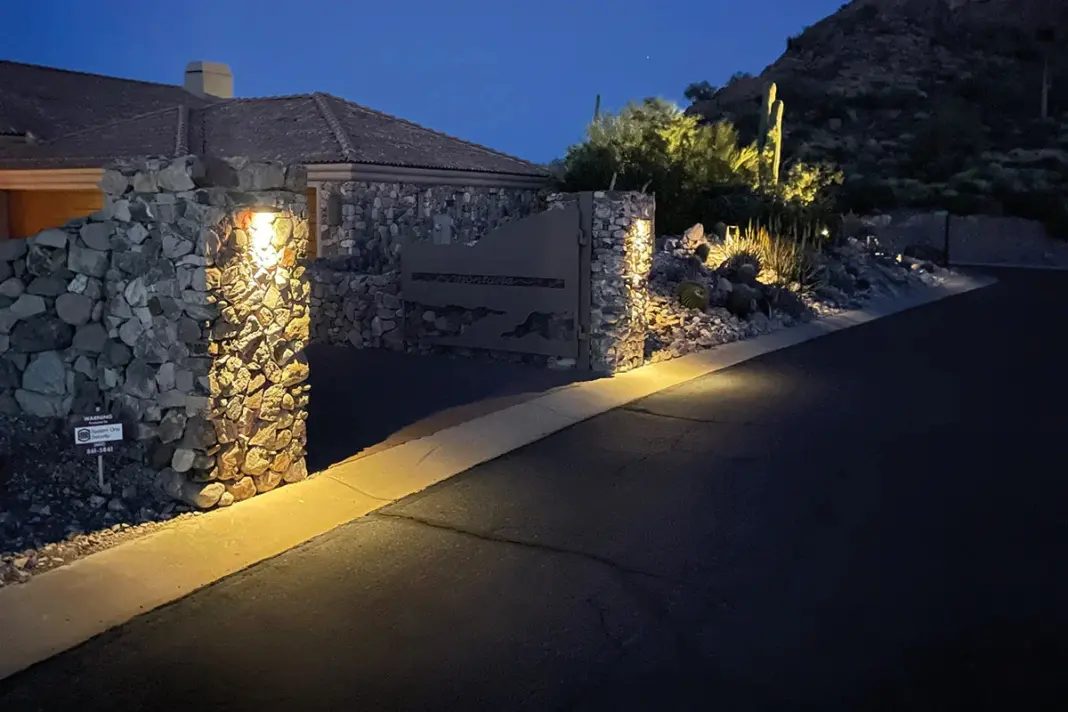
Smarter Outdoor Lighting
Mark Hanson, Founder of SunTino Solar Lights said, outdoor lighting is good for improving safety, security, navigability, and aesthetics, but badly designed lighting can waste energy. LEDs are a very effective base of design since modern outdoor LED lights allow achieving the necessary illumination while consuming less energy and being more controllable than some traditional types of lighting.
Replacing traditional lamps with LEDs is not enough for ensuring the greatest efficiency. Lighting needs to be designed in accordance with the required illumination. The fixtures need to focus light on paths, entrances, stairs, parking lots, or landscape elements, not the area around them.
Lighting controls can be another way to save energy. Motion sensors will turn on the lights only when there is someone there, and photo sensors will make sure that the lights work only at night, not during the day. Timers and programmable controls can turn off decorative and security lighting when it is not necessary. The issue of light pollution also needs to be considered when using responsible outdoor lighting. It can include using well-designed fixtures, proper illumination level, warm lights where possible, and programmed dimming.
Water-Efficient Irrigation
An irrigation system is also among the critical resource considerations for outdoor designing. There are many ways in which conventional sprinkler systems can lead to loss of water from evaporation, wind, runoffs, inadequate coverage, and overwatering. Consequently, the efficient design of an irrigation system should be done taking into account the vegetation being grown as well as the technology used to distribute the water to those plants.
A smart controller is another way of conserving water when irrigating. This device adjusts the watering time to account for the prevailing weather conditions and soil moisture rather than relying on a timer. In such a way, irrigation takes place in the absence of any need for doing so due to rain. It has been noted by the EPA that a change of an old-fashioned clock-controlled controller with a WaterSense label can result in annual savings of up to 15,000 gallons for a typical homeowner.
Another good method to conserve water is microirrigation. This technology involves the use of drip and other low flow rates irrigation methods which allow water to reach plant roots directly in order to minimize evaporation and runoffs. As stated by the EPA WaterSense, microirrigation systems use about 20–50% less water than conventional sprinklers.
Landscaping for Energy Efficiency
While landscaping is mostly seen as a beautifying measure, some types of vegetation affect the energy efficiency of the property. Trees create shade, and vegetation in general helps regulate temperatures in a particular area by means of shading and evapotranspiration.
Shade trees, in particular, can prove particularly useful on hot properties. According to research conducted at the USDA Forest Service, shading trees can help to reduce heating and cooling bills of residential buildings, especially those which are located in warm regions and benefit most from shading of buildings by trees.
Therefore, landscaping needs to take into consideration not only the aesthetics of a particular property. Climate-adapted or native plants are likely to be better suited for a particular location, requiring thus less water supplements. Reducing unnecessary green space of a high-maintenance turf would also allow cutting down on irrigation expenses.
Similarly, soil condition plays an important role too. Good soil enhances the process of water absorption and facilitates plant growth, while mulching helps maintain proper moisture levels and cut down on evaporation. Thus, an optimal landscaping plan allows for lowering water usage and maintenance costs.
Thus, one needs to keep in mind all the features of a property and its climate before landscaping. While recreation lawn is justified in places where people use it, the presence of ornamental turf in rarely used spaces seems to have no practical justification.
Integrating EV Charging Outdoors
With the increasing popularity of electric vehicles, outdoor spaces are also being integrated into the energy structure of the building. All the above-mentioned spaces could be designed in such a way that they would include space for electric vehicle chargers.
Most homeowners have the option to select between level 1 and level 2 chargers. The first type is enough for meeting daily transportation needs, but Level 2 chargers are used for those who need to drive farther distances.
Outdoor EV chargers need to be designed for outdoor use and installed by professionals. In addition, there needs to be an assessment of the capacity of the building’s electricity since not all buildings have enough capacity to allow installation of level 2 chargers.
Smart charging provides additional choices. Modern EV chargers are capable of scheduling and communicating. Due to the variable rates of electricity based on time, one can charge his car when electricity is cheap. When photovoltaic cells exist, EV chargers can become part of the electricity management system.
Designing an Integrated Outdoor Energy System
It is important to note that most improvements will show their greatest effect when seen as a whole rather than as independent improvements. For example, planting trees will allow creating shade in spots where there is outdoor seating, and smart irrigation will keep the plants alive using the least amount of water possible. LED lighting will work only when needed, and the EV charger will be integrated into the parking lot without harming the landscaping.
It is also vital to think about how much the property will cost to run throughout its lifespan. An inexpensive installation with costly running will likely be less sustainable than a somewhat expensive yet efficient one.
Monitoring will improve the results of these improvements. Smart irrigation, lighting, energy meters, and EV chargers will give property owners data on the water and electricity consumption and other resources.
Energy efficiency also extends to the materials and supplies used to build and maintain outdoor spaces. Choosing durable materials, reducing unnecessary waste, and using packaging that minimizes excess material can help lower the environmental impact of construction and landscaping projects. Custom packaging solutions can also help businesses use materials more efficiently while protecting products during transportation and storage.
Conclusion
Outdoor spaces which are energy efficient provide a great way to extend sustainable building design to outside areas. Not only do we want our patios, driveways, and gardens to use less energy but also to become places where electricity and water are used in a smart manner to enhance comfort, safety, aesthetics, and sustainability.
By using LED lighting and advanced control systems, we can minimize unnecessary energy consumption from light. Using water efficiently through efficient irrigation and landscape planting will help to conserve water and improve thermal comfort. Finally, using EV charging stations allows our outdoor areas to become part of the evolving electric transportation network.
If all of the above-mentioned approaches are combined together, outdoor space becomes not just landscaping but an integral part of the efficient and sustainable property.






