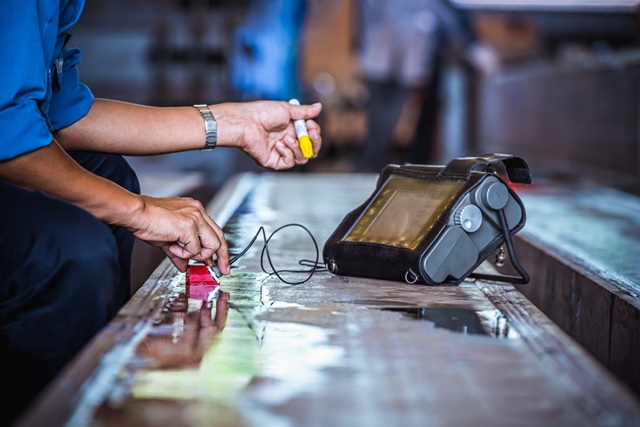
The safety and durability of work equipment and machines matters because it saves companies a lot of money and inconvenience. Therefore, testing for defects and irregularities should be carried out by a professional who will not cause any harm to them.
This is where a non destructive technician comes in. They are specialized in non destructive testing (NDT), ensuring that your machines remain safe and functional for a long time.
So, what exactly does a non destructive technician do? Here are their duties and roles so you can understand what to look for when hiring one.
Examine and Prepare Inspection Plan
Before anything is done to the machines, a non destructive technician should prepare an inspection plan. Once approved and ready to start the inspection or testing, the technician should also prepare the work areas.
Preparations ensure that the right tools and procedures are ready before work commences. Technicians who are detailed in preparations have a smooth inspection and testing process without causing any further destruction or missing important details.
Choosing Appropriate NDT Techniques
An inspection plan should also include NDT techniques that are relevant to the machines. Whether you are testing airplanes, oil pipelines, production machines, or any other equipment, a non destructive technician should know and apply the appropriate testing techniques.
Some of these techniques are available in manuals, while others require experience to understand. Regardless, following the right techniques is key.
Testing and Maintenance of Equipment
This is the main role of a non destructive technician, whether they’re from a company such as ARI or any other. They use specialized tools and techniques they have already prepared to test your equipment and machines. They also carry out required maintenance and recommend repairs or changes depending on the results.
Here are some important testing procedures a non destructive technician can use:
· Visual testing (VT) – This involves examining the surface for visible defects, corrosion, and irregularities.
· Ultrasonic testing (UT) – This is the use of high-frequency sound waves to detect internal problems.
· Magnetic particle testing (MT) – Tests surfaces and near-surface of suitable ferromagnetic materials.
· Radiographic testing (RT) – Uses X-rays and gamma radiation to image internal damage.
· Dye-penetrant testing (PT) – Uses dye liquid to detect leaks where possible.
Maintaining Safety and Inspection Standards
While doing the NDT, a non destructive technician ensures that the safety of machines and equipment are maintained. Most importantly, they follow workplace procedures and applicable standards for an efficient inspection.
It is their responsibility to take care of the machines and equipment they inspect and test.
Preparing Inspection Report
A non destructive technician is required to prepare a detailed report of the findings. Companies they work with usually have report templates for the technician to fill. This ensures they don’t miss anything while maintaining consistency in their work.
The NDT reports helps the company to know the actual status of their equipment and machines, the dates they have been inspected and tested, and recommended or repairs or overhaul.
Conclusion
As you can see, a non destructive technician has several duties and roles regarding NDT. Before choosing one to inspect your machines, check if they qualify. This can help avoid a lot of mistakes that could lead to costly repairs or even buying new machines.