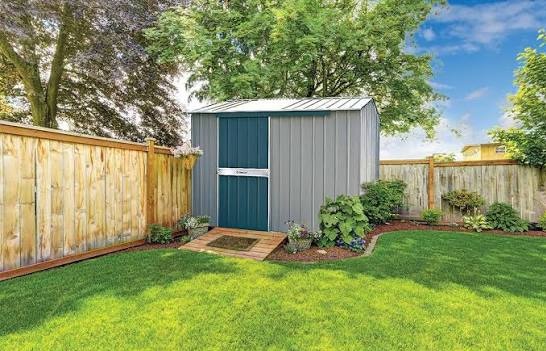
A clean and fully functioning yard can stop working well once tools, equipment, and seasonal supplies begin spilling onto patios, garage floors, and walkways. A utility shed gives those belongings a dry, reliable place to live while helping protect them from weather and daily damage.
The need for a utility shed often shows up in small frustrations first. If storage, safety, or outdoor projects keep causing extra work, your yard may be ready for a dedicated shed.
1. Your Garage No Longer Fits Its Main Purpose
A garage is built to protect vehicles, allow safe movement, and hold essential household items without turning into an obstacle course. Once rakes, snow shovels, fertilizer, hoses, and patio furniture take over the floor, parking can become harder than it should be. Homeowners comparing outdoor utility sheds for sale can move yard gear outside the garage while keeping it covered, organized, and close to where it gets used.
Cluttered garages bring safety concerns as well. Rakes can slide off walls, fuel cans may sit near heat sources, and sharp tools can land within a child’s reach. A shed keeps outdoor equipment apart from vehicles, laundry spaces, and household storage. That separation makes the garage easier to clean, easier to enter, and less risky during busy days.
2. Yard Tools Are Hard to Find
Poor storage usually becomes clear during ordinary chores. A lost pair of pruning shears, a missing sprinkler, or buried trimmer line can stretch a quick job into a frustrating search. When you spread tools between the basement, porch, garage, and fence line, the current system no longer does its job.
A utility shed creates one dependable spot for outdoor supplies. Hooks can keep rakes, shovels, and brooms off the floor. Shelves can hold gloves, plant food, sprayer parts, and small hardware where they remain visible. Larger items, such as mowers, spreaders, and wheelbarrows, can stay on the floor with room to move. Better organization also helps prevent duplicate purchases and keeps tools dry between uses.
3. Seasonal Items Are Taking Over Living Space
Seasonal storage can creep into areas meant for everyday life. Patio cushions fill spare rooms. Holiday bins crowd closets. Pool gear, garden pots, and snow supplies compete for basement space. Before long, the house starts carrying too much of the outdoor storage load.
A shed gives seasonal items a practical place to rotate in and out. Summer supplies can move there after fall cleanup. Winter tools can stay near the driveway before snow arrives. Items used for only part of the year remain easy to reach without taking over prime indoor space. That matters for households that rely on closets, garages, and utility rooms every day.
4. Outdoor Equipment Is Wearing Out Too Soon
Weather can shorten the life of yard equipment faster than many homeowners expect. Sunlight fades plastic bins and weakens fabric covers. Rain can rust metal handles, mower decks, hinges, and hardware. Repeated freezing and thawing can damage hoses, sprayers, and small engines when storage conditions are poor.
A utility shed offers a simple layer of protection. It keeps equipment out of direct rain, standing snow, and harsh sun. That protection is important because replacement costs can be high. A mower, pressure washer, leaf blower, and several hand tools can represent a serious household investment. Better storage helps preserve that value and can reduce avoidable repairs.
Check Ventilation and Floor Strength
A shed should fit what will be stored inside it. Gas-powered tools need airflow. Heavy equipment needs a floor built to carry the load. Moisture-sensitive items benefit from raised shelving and steady ventilation. These details may seem minor, but they affect safety, comfort, and long-term use.
5. Your Yard Projects Need a Better Base
Gardening, lawn care, and home maintenance become easier when supplies sit near the work area. Without a central base, simple projects often require repeated trips back indoors. Soil bags, hand tools, seeds, gloves, fasteners, and repair parts tend to drift from one place to another without a clear home.
A utility shed can serve as a small project hub. Gardeners can group planting supplies by season. Homeowners can keep repair materials closer to fences, decks, or outdoor work areas. Families can store sports gear near the lawn instead of carrying it through the house. The result is less indoor mess and fewer slowdowns outside.
Placement makes a real difference. A shed near a garden, driveway, or side yard should support how the property is actually used. Door width, ramp access, and interior layout should fit the largest equipment first. Smaller storage choices can then be arranged around those needs.
Conclusion
A utility shed is worth considering when clutter, wasted time, and weather damage begin affecting daily routines. The clearest signs are easy to spot: a crowded garage, hard-to-find tools, overflowing seasonal storage, worn equipment, and yard projects without a central base.
By matching shed size, location, and layout to real household habits, homeowners can create outdoor storage that stays useful for years and makes the property easier to manage.