

A commercial renovation involves more than just improving the aesthetics of a building’s interior. Each improvement should also support the building’s safety and future operational needs.
While finishes like paint often get the most attention, many should also pay attention to the electrical system, which remains one of the most essential components in modern businesses. A dependable electrical infrastructure can support equipment like HVAC systems, and it can support countless activities every day that keep operations going.
Businesses that are evolving may require upgrades because older buildings were often designed with much lower power demand compared to what modern facilities require today. The addition of computers and advanced machinery can place significant strain on outdated wiring. Without the right plan, an upgrade can result in performance issues in the future. Here are some electrical planning considerations for creating a safer and more functional commercial facility.
Evaluate the Existing Infrastructure
Each renovation should start with a thorough assessment of the current electrical system because some wiring that may have served businesses for years may no longer meet the present-day operational demands of the modern companies.
An inspection can help determine whether the existing components are able to support new equipment or if upgrades are required. Electrical panels may also need additional capacity, and knowing these conditions helps prevent costly surprises after construction has already started.
Electrical Capacity Should Match Business Operations
Electricity is important for nearly every aspect of a business’s operations. Offices depend on communication systems so employees can do their work seamlessly, while restaurants need their freezers to avoid spoiled food. Manufacturing plants also use specialized machinery that demands a higher electrical capacity, and these requirements should be met without the danger of getting overloaded.
Renovations should also account for a company’s future growth since businesses can add new appliances sometime in the future. Designing the electrical system that can expand its capacity can generally avoid expensive modifications later on.

Integrate Energy-Efficient Technologies
Businesses that are looking for a more practical way to decrease their operating expenses without the need to sacrifice their productivity should consider modern LED lighting systems that can reduce their electricity consumption. This provides office illumination throughout their warehouses while they’re saving on their bills. They can also add daylight harvesting technologies for an eco-friendlier approach and optimize everything by making sure that the lights are only turned on when necessary.
Fortunately, some professionals can help with solar power projects that can generate renewable energy. This is possible through commercial electrical work from Anser Power Systems that also provides training on how the net monitoring system works. They’re going to be responsible for buying the necessary materials from the best suppliers, and they can also install EV chargers, which can be convenient for electric vehicles. You can reach out to them today to see how these systems work and get a full site inspection.
They are capable of handling any type of project, and they’re going to utilize their extensive fleet of vehicles to serve lots of customers. They’re going to deliver the results that you can be proud of, and they can answer any questions that you may have about electrical work.
Support Technology and Digital Infrastructure
Reliable internet connectivity should be present, as well as surveillance systems for better security. Installing automated equipment will also depend on an electrical infrastructure that works. Renovation projects should include careful planning for data cables as well as having a backup system that can maintain the flow of electricity when there’s a blackout.
Design Flexible Workspaces
Commercial spaces can undergo several changes throughout the life of a building. Departments grow and require more spaces, and an office layout can evolve as more employees are added. Electrical planning should accommodate a lot of these changes by providing more flexible power distribution in the form of strategically placed outlets. Expert electricians can also install dedicated equipment circuits so future modifications can become easier. See more info about electricians when you go to this website here.
They can be applied to locations with customer services that usually have different electrical requirements. Designing these areas with adaptability in mind may allow businesses to reconfigure a layout without extensive electrical reconstruction.
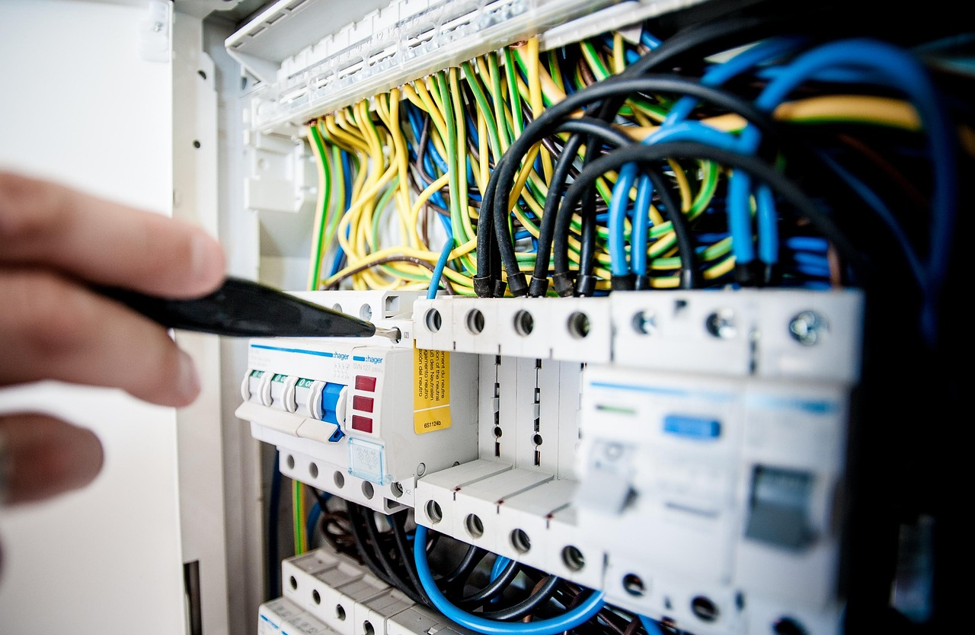
Prioritize Safety Throughout the Project
Electrical construction work may expose workers to existing wiring. Commercial renovations may also involve multiple trades working simultaneously in an active environment.
Being compliant with the applicable electrical codes can help protect workers from ground faults. Hiring qualified professionals can reduce the risk of electrical fires. The electricians have the expertise needed to select high-quality materials that comply with local codes.
How to Plan for Renewable Energy Integration?
Renewable energy is becoming an increasingly important consideration as electricity costs rise. Commercial renovations provide an excellent way to prepare buildings for future sustainability initiatives.
Electrical infrastructure can be upgraded so solar power systems can be accommodated, and even if they’re not installed immediately, planning for future-ready electrical capacity can reduce installation costs later.
How to Coordinate Multiple Construction Trades?
Commercial renovations may involve a lot of tradespeople who are working together within the same project. Electrical planning should be coordinated with plumbing work to prevent conflicts involving cable routes. Structural modifications can also impact cable routing, and this is where the experts can minimize costly rework. They can identify potential conflicts and collaborate with others so the entire project can proceed more efficiently while meeting the timelines.






