The construction industry in 2026 is undergoing a major transformation driven by rapid technological innovation, evolving client expectations, and increasing demand for sustainable building solutions. What was once a slow-moving, labor-intensive sector is now becoming a data-driven, efficiency-focused, and technology-enabled industry.
For construction companies, contractors, and real estate developers, staying competitive means adopting modern construction methods, improving project delivery efficiency, and aligning with global sustainability standards. This is why working with an experienced and forward-thinking company like Diamante Azul Construction can help clients achieve smarter, more efficient, and reliable project outcomes.
Whether you’re planning a residential project, commercial development, or infrastructure investment, understanding these trends is essential for making informed decisions and choosing the right construction partner.
Digital Transformation in Construction: The Shift Toward Smart Project Execution
Digital transformation is redefining how construction projects are planned, managed, and delivered. Companies that leverage modern construction technology are gaining a competitive edge in terms of speed, cost efficiency, and accuracy.
Building Information Modeling (BIM) and Intelligent Design Planning
Building Information Modeling (BIM) has become a foundational tool in modern construction project management. It enables teams to create detailed 3D models that simulate every aspect of a building before construction begins.
Key advantages of BIM include:
- Accurate design visualization
- Early conflict detection (reducing costly rework)
- Improved collaboration between architects, engineers, and contractors
- Better cost estimation and resource planning
For clients, this translates into fewer surprises, better transparency, and more predictable outcomes.
AI-Powered Construction Management and Predictive Analytics
Artificial Intelligence is revolutionizing construction workflows by enabling smarter decision-making. AI-driven tools analyze historical and real-time project data to optimize timelines and reduce risks.
Commercial benefits for construction companies include:
- Reduced project delays
- Optimized labor and material usage
- Early identification of budget overruns
- Improved project forecasting
This shift toward predictive construction management is helping companies deliver projects more efficiently while maintaining profitability.
Smart Construction Sites and IoT Integration
The modern construction site is becoming increasingly connected. Internet of Things (IoT) devices are being used to monitor equipment, track materials, and enhance safety in real time.
Examples of smart site technologies:
- GPS-enabled equipment tracking
- Real-time environmental monitoring
- Automated progress reporting
- Remote site management tools
These innovations are improving operational efficiency and reducing downtime – key factors in large-scale construction projects.
Sustainable Construction and Green Building Solutions
Sustainability is no longer a trend – it is a business necessity. Clients, investors, and governments are all prioritizing environmentally responsible construction practices.
Eco-Friendly Materials and Low-Carbon Construction
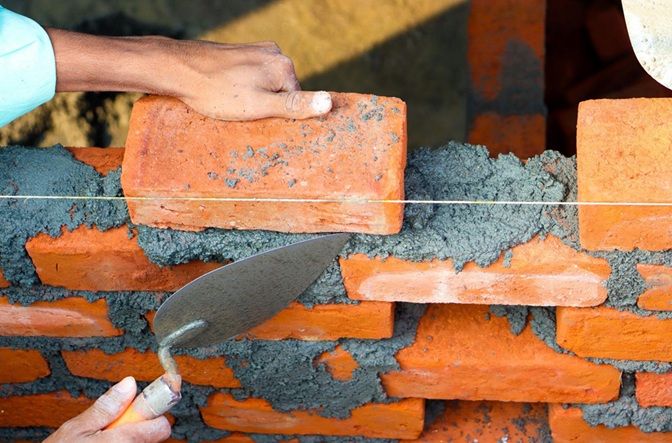
Modern construction companies are shifting toward sustainable materials that reduce environmental impact without compromising quality. For projects that require durable brick, stone, or concrete work, working with experienced Masonry Contractors Austin can help ensure stronger structures, better craftsmanship, and long-lasting building performance.
Popular eco-friendly construction materials include:
- Recycled steel and concrete
- Low-carbon cement alternatives
- Sustainable timber
- Energy-efficient insulation materials
Using these materials not only supports environmental goals but also enhances long-term building performance.
Energy-Efficient Buildings and Smart Systems
Energy efficiency has become a key selling point in both residential and commercial construction.
High-performance building features include:
- Smart HVAC systems
- Solar energy integration
- High-performance windows and insulation
- Automated energy management systems
For property owners, this means lower operational costs and higher long-term value.
Green Certifications and Regulatory Compliance
Compliance with environmental standards is becoming essential for construction companies. Green certifications increase property value, attract investors, and improve marketability.
Construction firms that prioritize sustainability are better positioned to secure high-value projects and long-term contracts.
Prefabrication and Modular Construction: Faster, Smarter Building Methods
Prefabrication and modular construction are transforming how buildings are constructed by shifting key processes off-site.
Advantages of Prefabricated Construction
Prefabrication involves manufacturing building components in controlled environments before assembling them on-site.
Key benefits include:
- Faster project completion
- Reduced construction waste
- Improved quality control
- Lower labor costs
This method is particularly effective for large-scale residential and commercial developments.
Modular Construction in Urban Development
Modular construction is gaining traction in urban environments where time, space, and efficiency are critical.
Entire building sections are produced off-site and assembled quickly, minimizing disruption and accelerating project timelines.
Skilled Workforce and the Role of Construction Expertise
While technology is transforming the industry, human expertise remains a critical factor in successful project delivery.
The Value of Experienced Construction Professionals
Skilled professionals bring:
- On-site problem-solving capabilities
- Quality control expertise
- Efficient resource management
- Strong project coordination
These factors directly impact the success of any construction project.
Combining Innovation with Industry Experience
The most reliable construction companies are those that balance modern technology with real-world experience.
Companies like Diamante Azul Construction demonstrate how combining advanced construction methods with practical expertise leads to high-quality, reliable outcomes – especially in competitive residential and commercial markets.
Client-Centric Construction: Meeting Modern Expectations
Today’s clients expect more than just completed projects – they demand transparency, customization, and consistent communication.
Transparent Project Management
Modern construction companies are adopting tools that provide:
- Real-time progress updates
- Clear communication channels
- Detailed reporting
This transparency builds trust and improves client satisfaction.
Customized Construction Solutions
Clients increasingly want personalized solutions tailored to their specific needs. Whether it’s a luxury home or a commercial facility, customization is becoming a key differentiator.
Construction Safety and Risk Management Innovations
Safety is a top priority in construction, and technology is playing a major role in improving workplace conditions.
Advanced Safety Technologies
Modern safety solutions include:
- Wearable monitoring devices
- AI-based hazard detection
- Real-time alerts and reporting systems
These tools help reduce accidents and improve compliance with safety regulations.
Proactive Risk Management Strategies
Predictive tools allow construction companies to identify risks before they become major issues, reducing delays and improving project outcomes.
Future of the Construction Industry: What Lies Ahead
Looking ahead, the construction industry will continue to evolve through innovation, sustainability, and digital integration.
Key future trends include:
- Increased automation and robotics
- Expansion of AI-driven construction management
- Greater emphasis on sustainable building practices
- Enhanced collaboration through digital platforms
Companies that adapt to these changes will lead the next generation of construction excellence.
Conclusion: Building Smarter, Faster, and More Sustainably in 2026
The construction industry in 2026 is defined by transformation. From smart technologies and sustainable materials to expert project management and client-focused approaches, every aspect of construction is evolving.
For developers, investors, and property owners, choosing a construction company that embraces these trends is essential for achieving successful project outcomes.
By combining innovation with experience, modern construction firms are not just building structures – they are shaping the future of how we live and work.