
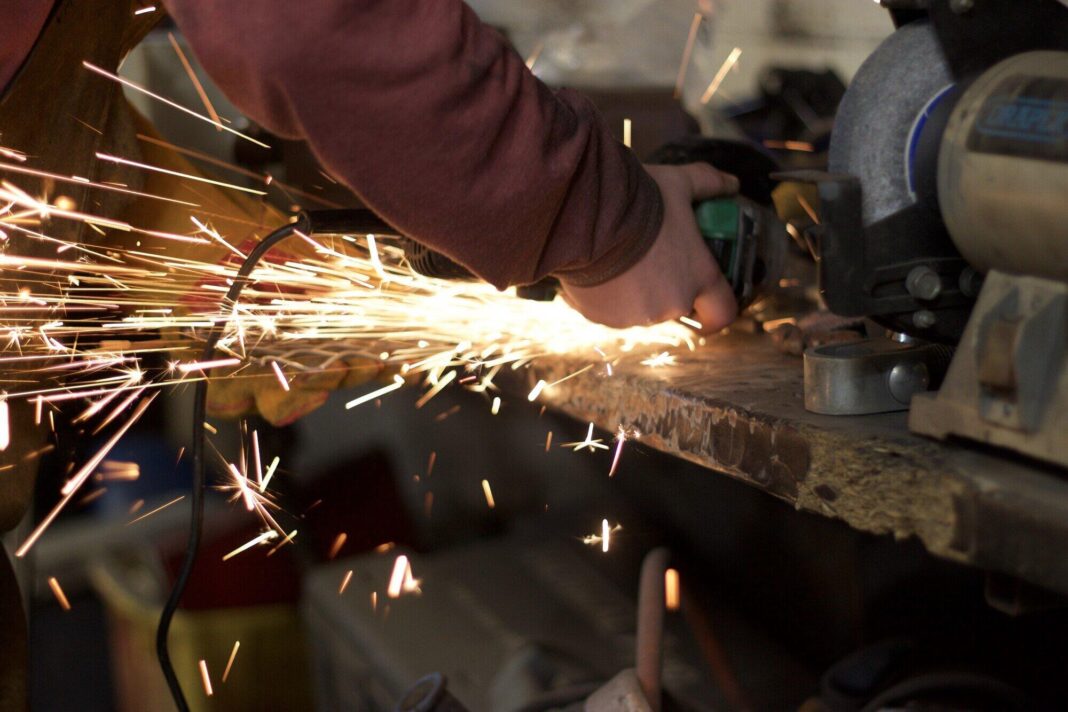
Metalworking has shaped human life for thousands of years. Early people learned how to heat, shape, and combine metals to make stronger tools, weapons, and household objects. These discoveries helped communities farm, build, trade, and protect themselves.
Over time, metalworking became more advanced. Hand tools slowly gave way to machines, factories, and computer-controlled equipment. Today, metal parts can be made with great accuracy for cars, aircraft, buildings, and many other products. Looking at the history of metalworking shows how new ideas have changed both the craft and the world around it.
Continue reading to discover everything you need to know!
Early Metalworking Began With Simple Metals
Some of the earliest metalworkers used copper because it was easier to shape than many other metals. Workers heated copper and formed it into tools, jewelry, and simple weapons. Forging became an important method.
The metal was heated and then shaped with tools until it reached the right form. Later, people learned that metals could be mixed.
Bronze, made mainly from copper and tin, was stronger than copper alone, and this led to the Bronze Age. Stronger tools helped with farming, building, and fighting.
Skilled Craftsmanship Grew During the Middle Ages
During the Middle Ages, metalworking became a skilled trade. Blacksmiths and other metalworkers often trained for years before working on their own. Guilds helped set rules for quality and taught younger workers.
Metalworkers made many useful items, including:
- Swords
- Armor
- Farming tools
- Locks
- Gates
Metalwork also became more decorative. Skilled workers created detailed designs for homes, churches, and public buildings. Better heating methods allowed workers to control the shape and strength of metal more carefully.
Machines Changed Metal Production
The Industrial Revolution brought major changes to metalworking. Factories began using machines to produce parts faster and in larger numbers. Casting, machining, and welding became common methods.
Machines also made it easier to create parts with the same size and shape again and again. This was important for trains, engines, tools, vehicles, and other products that needed matching parts.
As manufacturing improved, methods such as investment casting in the US became useful for producing detailed metal components for many industries.
Factories could now complete work that once took much longer by hand. This shift helped make metal products more widely available and supported the growth of modern industry.
Modern Technology Brings Greater Precision
Today, metalworking combines traditional knowledge with advanced technology. CNC machines use computer instructions to cut and shape metal with great accuracy.
Laser cutting can produce detailed shapes quickly, while modern welding systems can create strong and clean joints. 3D printing is also being used to create metal parts and test new designs.
Modern methods include:
- CNC machining
- Laser cutting
- 3D printing
- Automated welding
- Digital inspection
Technology also helps companies check quality during production. Cameras, sensors, and measuring tools can find problems early. This helps reduce waste and improve consistency.
Many manufacturers are also looking for ways to save energy and reuse metal. These efforts may make future metalworking more efficient and less wasteful.
Explore the Future of Metalworking
Metalworking has changed from simple hand tools to advanced computer-controlled systems. Each period introduced new methods that made metal stronger, easier to shape, or faster to produce.
Modern technology now allows manufacturers to create detailed parts with high levels of accuracy. Learn more about current metalworking methods or speak with an experienced manufacturer if you want to understand how today’s casting and machining processes can support a future project.
Check out the rest of our site for more!






