India’s construction sector is undergoing a decisive shift – where legacy practices meet emerging technologies, and scale must align with sustainability. In this evolving landscape, organizations that can balance innovation with social responsibility are setting new benchmarks. One such example is U-Sphere, an engineering arm rooted in cooperative values yet firmly oriented toward the future of construction.
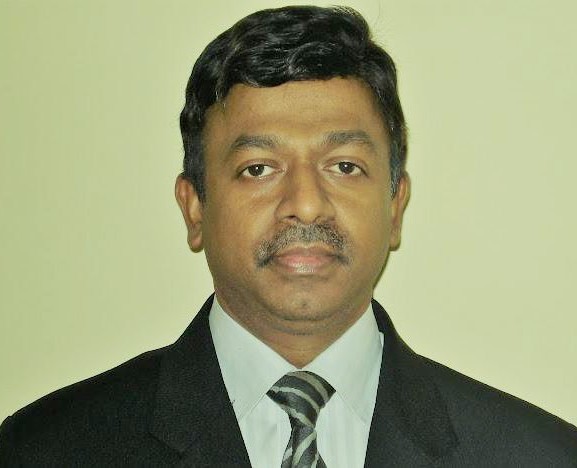
Building on the century-old legacy of the Uralungal Labour Contract Co-operative Society (ULCCS), the cooperative’s engineering subsidiary, U-Sphere, is expanding its footprint across South India with a focus on a pan-India presence. In an exclusive conversation with Constrofacilitator, CEO of U-Sphere, Biju Mahima highlighted the labour co-operatives commitment to integrating BIM, AI, and modular steel construction to drive efficiency and sustainability. He is seasoned leader with over 30 years of experience in construction, infrastructure, and engineering, he brings a proven track record of delivering large-scale, high-impact projects across India and the Middle East.
By planning new manufacturing hubs by 2027–28 and prioritizing professional training, U-Sphere aims to modernize the construction landscape while maintaining its founding ethos of people-centric development.
Here are excerpts from the interview
ULCCS has set ambitious growth targets. How are you planning to scale your presence in South India, especially in Karnataka and Tamil Nadu?
At ULCCS, our foundation remains strongest in Kerala, where we have built deep expertise and credibility over a century. However, with the launch of U-Sphere, we are strategically expanding beyond our home market with a clear focus on South India. Karnataka and Tamil Nadu are key priority markets for us, given their robust infrastructure growth and urbanisation trends.
We have already initiated projects in Bengaluru and Chennai, which serve as important entry points into these regions. Beyond these, we have a strong pipeline of projects across both states, alongside planning an early-stage expansion into Andhra Pradesh. Our approach is not just about increasing geographical presence, but about bringing differentiated value through advanced construction technologies, efficient project execution, and a strong emphasis on quality. Over time, we aim to build a sustainable, scalable footprint that mirrors the strength we have established in Kerala.
With the rise of pre-engineered buildings and lightweight systems, are there plans to set up manufacturing facilities in South India?
Yes, this is very much part of our long-term strategic roadmap. As we continue to scale our operations across South India, the need for localized manufacturing capabilities becomes increasingly important. Setting up manufacturing facilities will not only help us optimise logistics and reduce transportation costs, but also improve project timelines and operational efficiency.
At present, our focus is on strengthening our market presence and achieving a certain scale in these regions. Once that is established, we plan to take concrete steps toward setting up manufacturing units, likely around the 2027–28 timeframe. This will also allow us to have better control over quality, standardisation, and innovation in pre-engineered and modular building components.
There’s a shift toward modular construction and alternative building technologies. How does U-Sphere approach this?
At U-Sphere, we take a highly flexible and solution-oriented approach to construction technologies. Rather than being restricted to a single methodology, we evaluate each project individually and adopt the most efficient and effective solution based on its specific requirements.
Currently, steel structures and pre-engineered systems offer significant advantages in terms of speed of construction, sustainability, and long-term cost efficiency. These systems are particularly well-suited for projects that demand faster turnaround times without compromising on structural integrity.
That said, we remain open to continuously evolving our approach. As new technologies emerge, whether in modular construction, advanced materials, or hybrid systems, we are keen to evaluate and adopt those that bring tangible improvements in efficiency, cost, and sustainability.
Sustainability is gaining importance. What are the key challenges in adopting energy-efficient solutions in India?
One of the primary challenges in adopting sustainable and energy-efficient solutions in India is the perception around cost. Many stakeholders tend to focus on the higher upfront investment required for green technologies, without fully considering the long-term operational savings and environmental benefits they offer.
There is also a gap in awareness and understanding, particularly among smaller developers and end users, regarding the lifecycle advantages of sustainable construction practices. However, this mindset is gradually changing. With increasing regulatory push, rising energy costs, and greater environmental consciousness, we are seeing a steady improvement in adoption levels.
At U-Sphere, we believe that sustainability is not just a trend but a necessity. Our focus is on integrating energy-efficient solutions in a way that balances both immediate feasibility and long-term value creation.
How do you see AI and digital tools transforming construction?
Artificial Intelligence (AI) and digital technologies are set to fundamentally transform the construction industry over the coming years. From design optimisation and cost estimation to project scheduling and real-time monitoring, these tools can significantly enhance efficiency and accuracy across the project lifecycle.
In particular, AI has the potential to reduce human error, optimise resource allocation, and improve decision-making through predictive analytics. Digital tools can also streamline communication and coordination between various stakeholders, which is often a major challenge in large-scale construction projects.
While the adoption of these technologies is still in a relatively early stage in India, it is steadily gaining momentum. We see this as an inevitable shift, and companies that embrace digital transformation early will have a clear competitive advantage.
Is U-Sphere already leveraging such technologies?
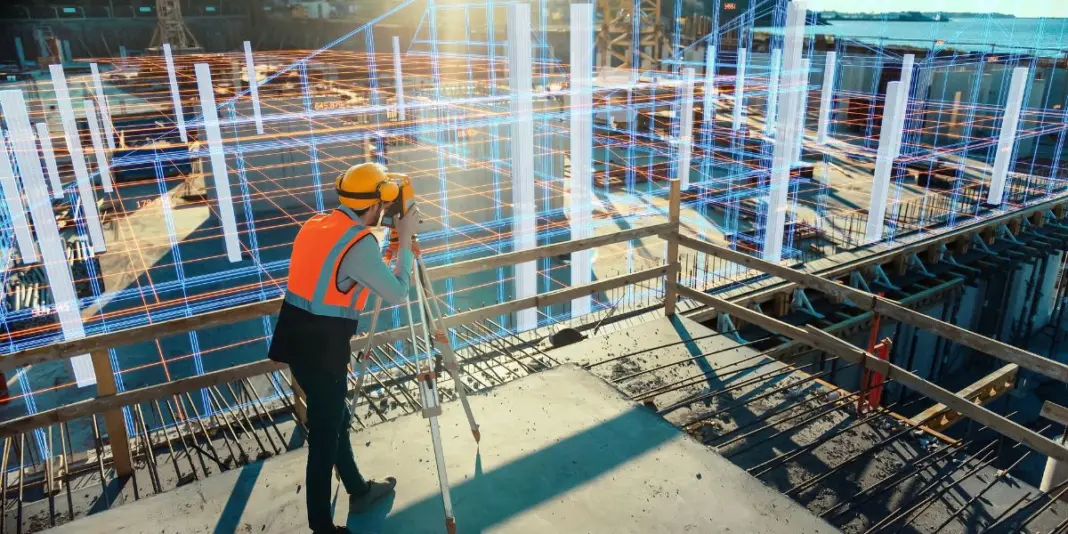
Yes, U-Sphere remains highly committed in integrating new edge technologies and the adoption at AI at every level possible. One of the key technologies we currently use is Building Information Modelling (BIM), which enables integrated planning and real-time project monitoring.
BIM allows us to visualise projects in detail before execution, helping us identify potential design conflicts and inefficiencies at an early stage. This not only reduces rework but also improves overall execution efficiency and cost management.
As we move forward, we plan to further strengthen our digital capabilities by exploring additional tools and platforms that can enhance productivity, transparency, and project outcomes.
What are your long-term expansion plans?
Our long-term vision is to evolve from a strong regional player into a truly pan-India organisation. While our immediate focus is on consolidating and expanding our presence across South India, we are already witnessing growing interest from markets in North India.
This presents a significant opportunity for us to accelerate our expansion beyond the southern region. We intend to approach this growth in a phased and strategic manner, ensuring that we maintain our core values of quality, reliability, and efficiency as we scale.
Ultimately, our goal is to build a diversified and geographically balanced portfolio of projects across the country.
How do you plan to address the skill gap in construction?
The skill gap in the construction industry is a well-recognised challenge, and addressing it requires a structured and sustained effort. At U-Sphere, we are focusing on developing comprehensive training programs that combine classroom-based learning with hands-on, on-site experience.
This integrated approach ensures that professionals not only understand theoretical concepts but are also able to apply them effectively in real-world scenarios. In addition, we plan to collaborate with experienced industry professionals and experts who can mentor young talent and help bridge the gap between education and practice.
By investing in skill development, we aim to build a strong, future-ready workforce that can support our growth ambitions.
Any final thoughts on industry trends?
The construction industry is undergoing a significant transformation, driven by the need for faster execution, cost efficiency, and sustainability. Trends such as modular construction, pre-engineered systems, and mass housing solutions are expected to play a defining role in shaping the future of the sector.
At the same time, the integration of technology, whether through digital tools, automation, or AI, will further enhance efficiency and scalability. Companies that are able to adapt to these evolving trends, while maintaining a strong focus on quality and innovation, will emerge as leaders in the industry.
At U-Sphere, we are committed to staying ahead of this curve and continuously evolving to meet the demands of a rapidly changing construction landscape.