Concrete is the backbone of modern infrastructure. From residential buildings and industrial floors to highways, tunnels and water-retaining structures, it remains one of the most trusted construction materials because of its exceptional compressive strength, durability and versatility. Yet, despite these advantages, concrete has one inherent limitation, it is relatively weak in tension, making it susceptible to cracking throughout its service life.
Cracks can begin forming within hours of placing concrete or develop years later due to shrinkage, temperature fluctuations, structural loading, environmental exposure or corrosion. While some cracks are merely cosmetic, others can reduce durability, allow the ingress of water and aggressive chemicals, accelerate reinforcement corrosion and ultimately compromise structural performance.
Fortunately, advances in Fiber Reinforced Concrete (FRC) have transformed the way engineers manage cracking. Today, FIBERCRETE® Polypropylene Fibers from the house of Kalyani Polymers Pvt Ltd. offers an effective and reliable solution for controlling cracks from the earliest stages of concrete hydration through to its long-term service life. They are one of the leading manufacturers of polypropylene fibers india
Why Does Concrete Crack?
Concrete naturally undergoes volume changes as it hardens and ages. When these movements are restrained, tensile stresses develop. Since concrete has relatively low tensile strength, cracks form whenever these stresses exceed its capacity.
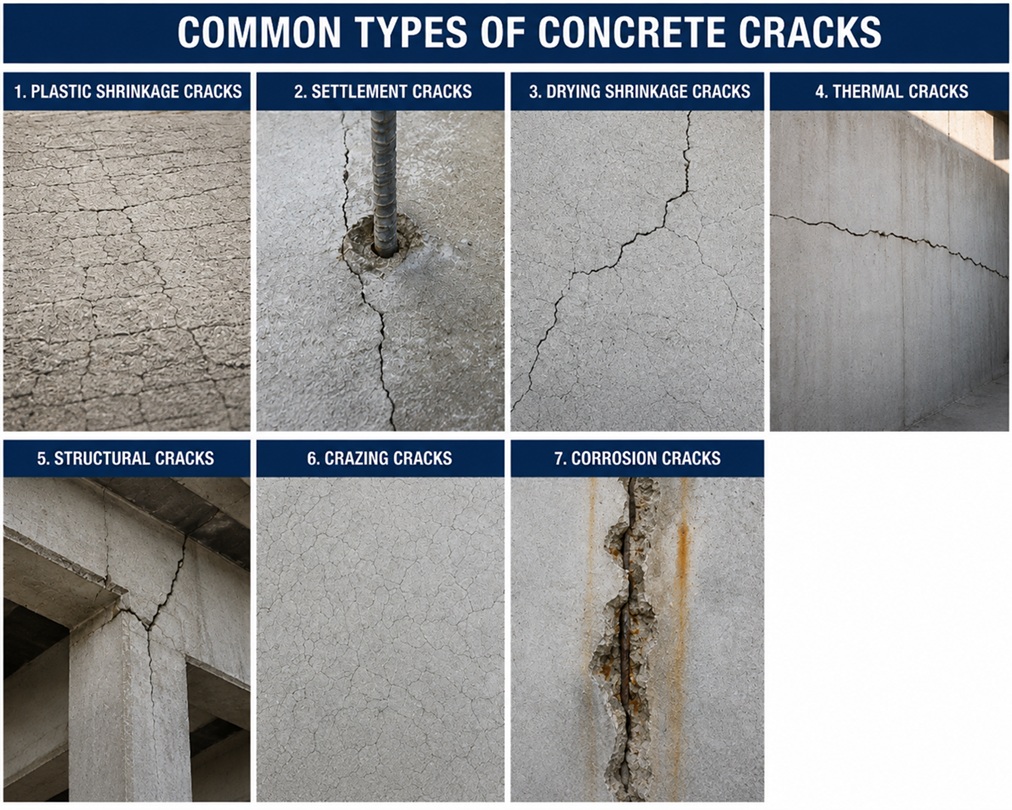
Common Types of Concrete Cracks
Plastic Shrinkage Cracks
Plastic shrinkage cracks appear within the first few hours after placing mortar or concrete. They occur when surface moisture evaporates faster than bleed water reaches the surface, causing the concrete to shrink before it has gained sufficient strength. These shallow, random cracks are commonly found in slabs, pavements, and walls exposed to hot, dry, or windy conditions.
Settlement Cracks
Settlement cracks develop as fresh concrete settles around reinforcing bars, pipes or embedded items. Because the concrete cannot settle uniformly, cracks form directly above these obstructions before the concrete hardens.
Drying Shrinkage Cracks
As hardened concrete gradually loses moisture, it shrinks. When this shrinkage is restrained by reinforcement, adjoining structural elements or the subgrade, tensile stresses develop that can lead to cracking. These cracks commonly occur in slabs, walls and pavements.
Thermal Cracks
Concrete expands when heated and contracts when cooled. Significant temperature differences within the concrete or between the concrete and the surrounding environment can induce tensile stresses that exceed the concrete’s tensile strength, resulting in thermal cracking.
Structural Cracks
Structural cracks are caused by excessive loading, inadequate reinforcement, differential settlement, or design deficiencies. Unlike shrinkage cracks, these cracks may affect the structural integrity of the concrete member and require detailed engineering assessment.
Crazing Cracks
Crazing consists of numerous fine, shallow, interconnected surface cracks resembling a spider-web pattern. These cracks are usually caused by rapid surface drying, excessive finishing, or rich cement paste. Although generally cosmetic, they may affect the appearance of finished concrete surfaces.
Corrosion Cracks
Corrosion cracks develop when reinforcing steel is exposed to moisture, oxygen, and chlorides. As steel corrodes, rust expands significantly in volume, generating internal pressure that eventually causes longitudinal cracking and spalling of the concrete cover.
How FIBERCRETE® Fibers Improves Durability and Service Life of Concrete
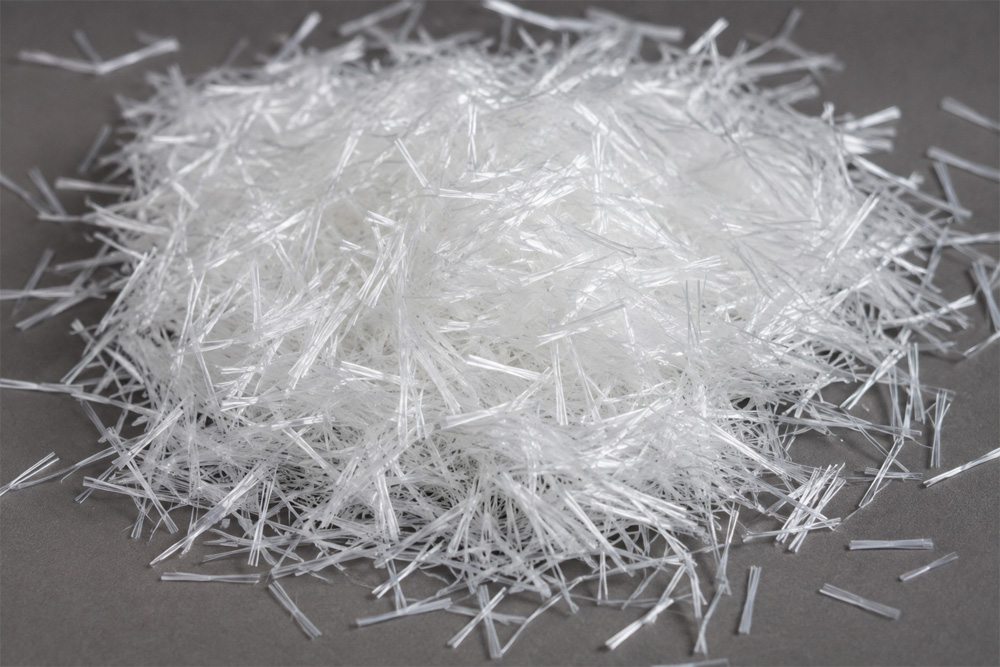
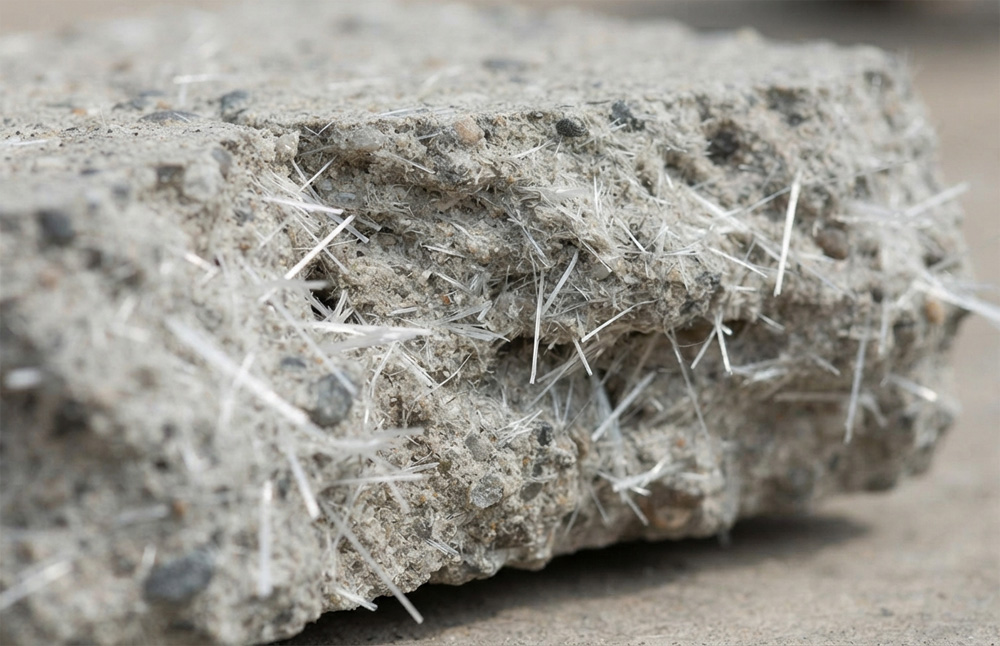
Modern Fiber Reinforced Concrete (FRC) offers an effective and proven solution for controlling crack development. FIBERCRETE Polypropylene fibers, available in both micro and macro forms, help arrest cracks at different stages of concrete’s life.
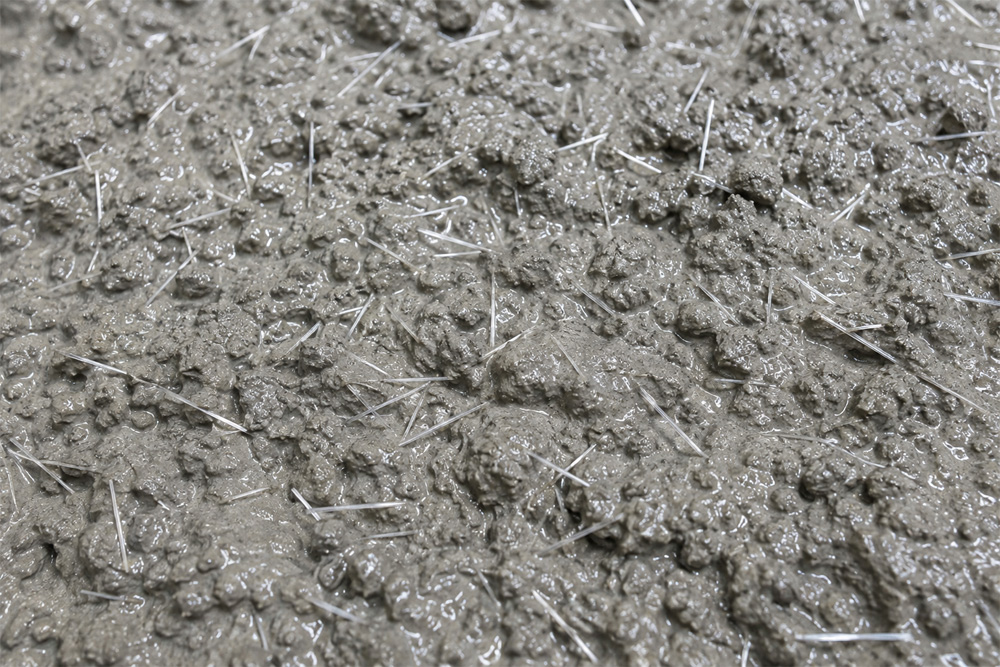
Micro Fibers are specifically engineered to control plastic shrinkage cracking. When uniformly dispersed throughout the concrete, millions of fine fibers form a three-dimensional reinforcing network that restrains the development of early-age micro-cracks, whereas Macro Fibers bridge wider cracks, improve residual strength and enhance post-cracking performance. Together, they contribute to longer-lasting, more durable and more resilient concrete structures.

These fibers help by:
- Reducing plastic shrinkage cracking by up to 80 – 90% under favorable conditions
- Increasing cohesion in fresh concrete
- Minimizing bleeding and segregation
- Distributing tensile stresses uniformly
- Arresting micro-cracks before they become visible
- Controlling settlement cracking
- Bridges structural cracks after they form
- Improves residual strength and toughness
- Enhances impact and fatigue resistance
- Improves long-term durability and service life
Instead of allowing small cracks to propagate into larger visible cracks, the fibers hold the fresh cement matrix together, significantly improving crack resistance during the critical early stages of hydration.
Applications of Fibers
- Wall Plastering
- Water Sump Tanks
- Precast Concrete
- Concrete Roads & Highways
- Foundations and Raft Slabs
- 3D Printing Concrete
- Industrial Floorings
- Tunnel Linings
- Floor Screeds
- Concrete Overlays and Repairs
Building Stronger, More Durable Concrete
Concrete cracking may be inevitable, but uncontrolled cracking doesn’t have to be.
By incorporating FIBERCRETE® Micro and Macro Polypropylene Fibers into a properly designed concrete mix, engineers and contractors can significantly reduce crack formation, improve post-cracking performance and extend the service life of concrete structures.
From controlling early-age plastic shrinkage to enhancing structural toughness, FIBERCRETE® helps deliver durable, reliable and high-performance concrete solutions for today’s infrastructure needs. Because stronger concrete begins with better crack control.
Buy Fibers Online at Amazon Store: Amazon.in: FIBERCRETE
Directions for Use: https://www.youtube.com/@fibercrete2746/videos

“ENHANCE. ENERGIZE. ELEVATE”
KALYANI POLYMERS PVT LTD
46/1, 11th KM Off Kanakapura Road, Doddakalasandra. Bangalore – 560062 Karnataka, INDIA
Phone: +91-80-40991198, +91-80-40991001
Email: sales@fibercrete.in
Website: www.fibercrete.in