
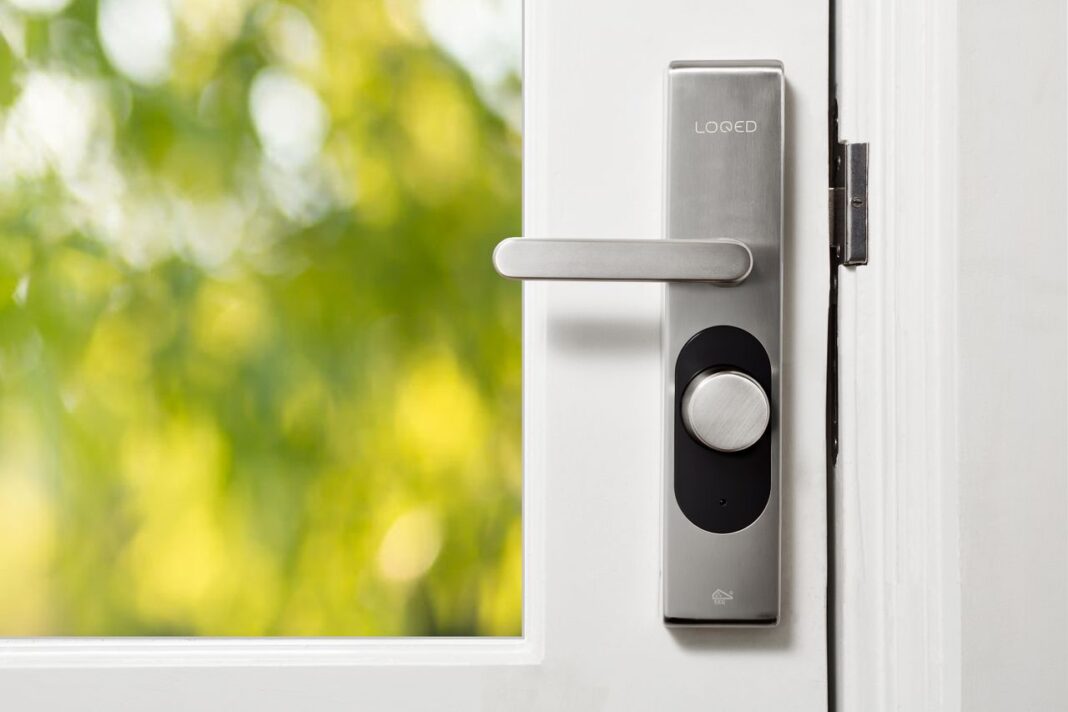
Leasing included tenants’ limited control over door hardware. That attitude is changing as people seek safer, more flexible access without replacing an entire entry system. Smart locks connect physical security with daily routines, letting residents manage entry, monitor activity, and respond to access needs remotely.
These benefits matter in apartments, rental houses, and shared properties where keys create uncertainty. Several practical factors explain why renters now view connected locks as a reasonable security upgrade.
Renters Want More Control Over Access
Traditional keys create problems after a move, a lost key, or a change in household members. Property managers must arrange replacements, while renters cannot always confirm who still has copies. Smart locks replace that uncertainty with adjustable access permissions and digital records.
A renter can provide temporary entry to a dog walker, repair worker, or visiting family member without handing over a permanent key. Access can then be changed or removed through the lock’s control system. This approach gives residents greater control while reducing the number of physical keys in circulation.
The advanced smart door lock solutions available through MachineShark show how access choices now extend beyond a standard key. The inspected collection includes Bluetooth entry locks, PIN-code locks, deadbolts, and a Wi-Fi-enabled facial-recognition model. These formats support different rental needs, including shared entrances, front doors, and residents who prefer app-based access.
Convenience Shapes Security Decisions
Convenience influences how renters judge a security product. A lock that requires fewer steps during a busy day fits daily life better, especially for residents carrying groceries, managing children, or returning home late.
PIN access removes the need to carry a key. Bluetooth access lets a compatible device control entry nearby. Some models also support multiple access methods, such as a PIN, keycard, app, or remote control. Each method gives renters a practical backup when one option is unavailable.
Auto-lock functions address another common concern. Residents do not need to remember whether the door was secured after leaving. App alerts also provide information about entry activity, which gives renters a clearer view of what happens at the door.
Privacy and Shared Living Matter
Renters often share homes with roommates, partners, guests, or service workers. A physical key does not show who enters or limit access by person. Digital permissions create a more organized arrangement.
A roommate can receive individual access instead of sharing one code with every resident. A guest can receive temporary permission for a defined visit. Service access can be removed after a repair appointment, reducing the chance of ongoing entry.
This setup also supports rental properties with frequent turnover. Property managers can update access after a resident moves out without collecting every key immediately. Renters benefit from a clearer boundary between current and former occupants.
Installation and Lease Terms Still Matter
Smart locks do not remove the need to check a lease agreement. Some rental contracts restrict hardware changes, while others require written approval before a lock is replaced. Residents should confirm permission before purchasing or installing a device.
Compatibility also deserves attention. A lock must fit the door’s existing structure, including the deadbolt, handle, frame, and interior clearance. Glass or sliding doors require a compatible design rather than a standard deadbolt model.
Battery care is another practical responsibility. Residents should monitor battery warnings and understand the available backup entry method. A smart lock improves daily access only when its power supply, connection, and installation remain reliable.
What Renters Should Compare
Renters should compare access methods first. A PIN-code lock suits residents who want simple entry without carrying a key. Bluetooth access suits people who prefer device-based control. Wi-Fi connectivity supports remote management when the resident is away.
The next comparison involves alerts and activity records. App notifications provide useful information about entry, while auto-lock reduces the chance of an unsecured door. Residents should also check whether the lock supports the smart-home system already used in the property.
Physical construction matters as well. The inspected collection includes locks made with aluminum or zinc alloy, along with IP-rated durability on listed models. Buyers should confirm the exact specifications for the selected lock rather than assuming every model has identical protection.
Conclusion
Smart locks are changing renter expectations because they connect security with control, convenience, and clearer access records. The right choice depends on the property’s door type, lease rules, preferred entry method, and maintenance routine.
Before buying, a renter should confirm installation permission, check compatibility, compare access features, and plan for battery replacement. That short review process helps turn a smart lock from a gadget into a practical part of everyday home security.






