
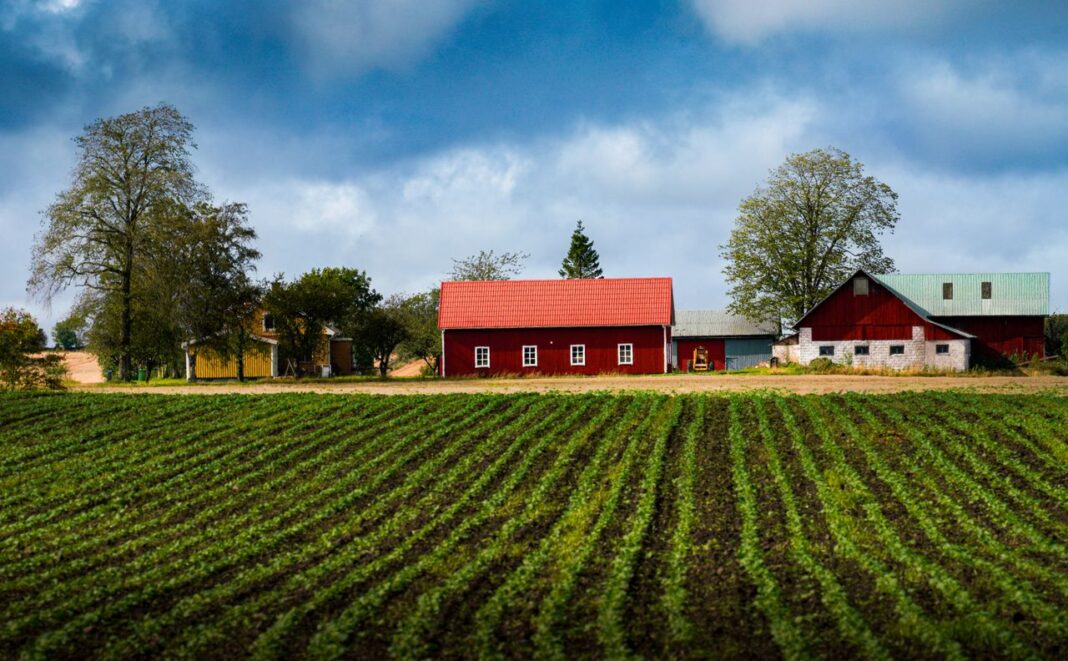
Five years ago, a farm outside Bengaluru was a nice idea that stayed a nice idea for many prospects in Bengaluru. Reasons were many, but mostly people were skeptical even about a site visit because of the poor connectivity and travel time involved. The roads outside the city were patchy, the drive was unpredictable, and reaching anywhere beyond the Outer Ring Road felt like a full-day task.
That has changed now. New corridors have transformed how connected Bengaluru’s outskirts are. These include the Satellite Town Ring Road, linking towns like Kanakapura, Anekal, Hosur and Sarjapur. There’s also the Bengaluru-Chennai Expressway and Namma Metro’s Yellow Line on Hosur Road. So, basically, what once was far is now an hour’s drive or travel.
How Infrastructure Affected Buyer Perspective Towards Farmland
Bengaluru was ranked the world’s second most congested city in 2025. Commuters lose close to 168 hours a year to traffic, which is nearly seven full days. A 10 km drive that should take 15 minutes now stretches to 36 minutes or longer during peak hours. People leave early, build in buffer time and still get stuck.
As a farmland prospective buyer, it was a big challenge because reaching the outskirts meant crossing the city’s own traffic first, then dealing with patchy, single-lane roads once they got there. A property near Kanakapura or Denkanikottai meant a minimum two-hour drive, which was not certain either. Sometimes, the patchy roads and single-lane roads made it even more difficult.
This has now changed entirely. Now it’s 60-90 minutes on a planned route that also bypasses the city’s core traffic entirely. So, someone leaving from South Bengaluru can take the STRR stretch toward Kanakapura and skip the older, narrower Kanakapura Road for most of the drive.
This difference matters much more in practicality than it reads here. The improved connectivity is one of the reasons that farmland as a category has evolved from being rare to an effortless and realistic weekend habit.
For many buyers, reaching their farm on Saturday morning is now less stressful than reaching their office on Tuesday. This improved connectivity is one of the main reasons farmland has evolved from a rare, effortful trip into a realistic weekend habit.
What Made Things More Favourable for Buyer Decision to Buy a Farmland
Beyond connectivity, modern city life is also pushing buyers toward farmland. Problems like congestion, poor air and adulterated food are what almost every urban family fights on some level. Farmland is a solution to all three. It offers cleaner air, open spaces and, for many buyers, the chance to grow their own food.
Also, today’s buyers are more informed than they were five years ago. They ask about soil quality, water sources and project management. And what was once a niche is a regular conversation across urban, upper-middle and affluent households in metros.
And this is where it connects back to infrastructure. Better roads, new tech hubs on the city’s outer edges and rising job opportunities nearby have made farmland ownership much more practical. Improved connectivity made this shift possible in the first place.
Farmland outside Bengaluru isn’t gaining ground because people suddenly fell in love with the countryside. It obviously is a reason, as I said, it’s always been a nice idea. But the shift from a nice idea to actual buying is now a tangible one.
It’s gaining ground because two things happened at the same time. City life got harder to sustain day to day. And the outskirts got easier to reach. Infrastructure did what buyer sentiment couldn’t do on its own: it closed the distance.
Authored By;

About Author
The Author brings over two decades of experience in the real estate industry, with expertise across transactions, advisory services and ROI across commercial, industrial and residential sectors. His career spans Bengaluru, Mumbai and Australia, where he managed operations for companies including Jones Lang LaSalle, Colliers International and Embassy Group. He has worked with leading clients such as ANZ, Sony, Siemens, TATA, PWC, Vodafone and Intuit. Amit holds an MBA in Marketing and Finance from CMS Bangalore, along with qualifications in Property Valuation and the ELP Program from RICS. His experience and knowledge also drive his interest in mentoring professionals entering the real estate sector.
Amit’s journey now extends to Aranyakaa Farms, a venture shaped by the growing desire among urban residents to reconnect with nature. As Director, he oversees Business Planning, Project Planning and Execution, Sales and Operations Management, and New Business Initiatives. His philosophy of Nature, Nurture, Adventure reflects the venture’s focus on creating spaces that bring people closer to nature while offering meaningful experiences.






