Construction sites are dynamic environments where efficiency and safety go hand in hand. One of the most critical components of any successful construction project is the ability to move materials quickly, safely, and cost-effectively. Material handling equipment has evolved significantly over the past decade, with modern machinery offering enhanced safety features, improved fuel efficiency, and greater lifting capacities than ever before. Understanding the available options and selecting the right equipment for specific site conditions can dramatically improve productivity while reducing the risk of workplace injuries.
The Role of Forklifts in Construction
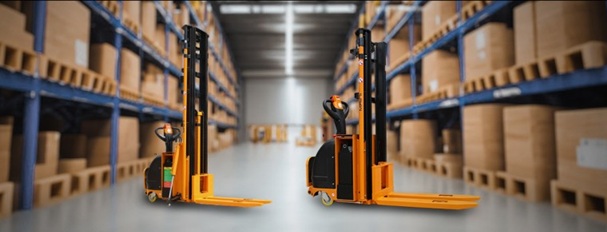
Forklifts remain the backbone of material handling on construction sites across Australia. These versatile machines are capable of transporting heavy loads of timber, steel, concrete blocks, and other building materials across uneven terrain. Unlike warehouse forklifts, construction-site models are built to withstand harsh outdoor conditions, featuring robust tyres, enhanced suspension systems, and powerful engines designed for all-day operation in demanding environments.
When selecting a forklift for construction use, site managers should consider several factors. Lifting capacity is paramount—underestimating weight requirements can lead to dangerous tipping incidents that endanger operators and nearby workers. Reach height is equally important, particularly on multi-storey projects where materials must be lifted to upper levels efficiently. Terrain adaptability should not be overlooked; rough-terrain forklifts with four-wheel drive capabilities are essential for muddy or sloped sites common across New South Wales and throughout Australia’s varied landscape.
Telehandler forklifts have gained popularity in recent years due to their extended reach and versatility. These machines combine the lifting capability of traditional forklifts with the extended boom of a crane, allowing operators to place materials precisely where needed without repositioning the entire vehicle. This flexibility reduces handling time and improves overall site workflow.
Safety Standards and Compliance
Australian workplace safety regulations mandate strict standards for material handling equipment operation. All forklift operators must hold valid high-risk work licences, and equipment must undergo regular maintenance and inspection schedules documented thoroughly. Failure to comply with these regulations can result in substantial penalties and, more importantly, put workers at unnecessary risk of serious injury.
Modern forklifts come equipped with advanced safety features including load stability indicators, automatic speed reduction when cornering, and improved visibility through redesigned mast configurations. These innovations have contributed to a measurable decline in workplace incidents over the past five years. Additionally, many construction firms now implement pre-start checklists and daily safety briefings to reinforce best practices among equipment operators.
Maintenance and Reliability
Construction schedules are notoriously tight, and equipment downtime can cascade into costly delays. Regular preventative maintenance is essential to keep material handling equipment operating at peak performance. This includes scheduled oil changes, hydraulic system inspections, brake testing, and tyre condition assessments. Partnering with a service provider who offers rapid response times for breakdowns provides invaluable peace of mind.
Equipment age and usage hours should be tracked meticulously. Older machines may appear cost-effective initially but often require more frequent repairs and consume more fuel than newer models. When evaluating hire versus purchase decisions, construction managers should factor in total cost of ownership including maintenance, fuel, insurance, and potential downtime.
Choosing the Right Equipment Partner
Construction companies benefit enormously from partnering with reliable equipment providers who understand the unique demands of building projects. A trusted supplier ensures machinery is well-maintained, delivered on schedule, and supported by responsive service teams. This partnership approach minimises downtime and keeps projects on track even when unexpected challenges arise.
For construction businesses across Australia seeking dependable material handling solutions, Active Forklifts Australia offers comprehensive forklift hire, sales, and servicing options tailored to the construction industry’s demanding requirements. Their experienced team understands the pressures of tight deadlines and provides equipment that meets the highest safety and performance standards.
Conclusion
Investing in the right material handling equipment is not merely an operational decision—it is a strategic choice that impacts project timelines, worker safety, and overall profitability. As construction methods continue to evolve and building projects become increasingly complex, so too must the machinery that supports them. By prioritising quality equipment, rigorous safety protocols, and experienced partners, construction firms position themselves for sustained success in an increasingly competitive market.